
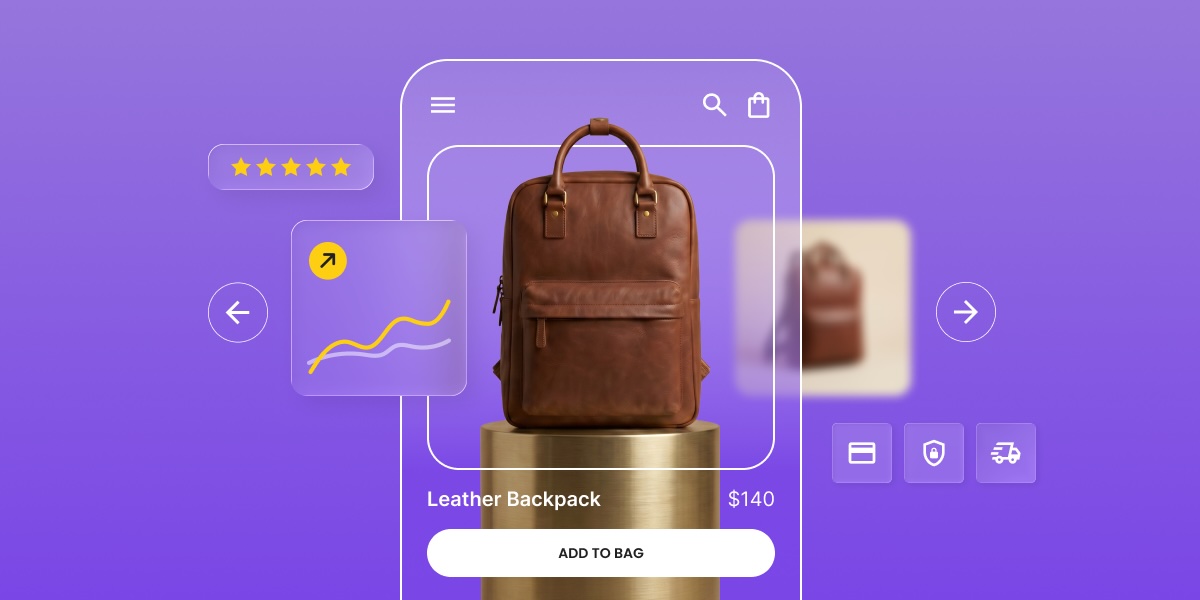
Ecommerce comes down to the buying and selling of goods and services over the internet. It’s how a bakery in Seattle ships gift boxes to Detroit, how a graphic designer sells fonts without ever speaking to a buyer, and how a one-person shop competes with retailers ten times its size. And it’s more accessible than it’s ever been. If you’re thinking about selling online, this is where to start.
Key takeaways:
- Ecommerce refers to any commercial transaction completed online, covering physical goods, digital products, and services.
- The main ecommerce business models are B2C (business-to-consumer), B2B (business-to-business), C2C (consumer-to-consumer), DTC (direct-to-consumer), and C2B (consumer-to-business).
- Every online business needs a storefront, a way to accept payments, a fulfillment method, and a route to customers — the details of each depend on what you’re selling.
- Ecommerce works for businesses of every size and product type, from solo creators selling digital downloads to small retailers shipping physical goods worldwide.
How does ecommerce work?
Ecommerce (or electronic commerce as it was once known) follows the same sequence every time a sale happens, whether the product costs $2 or $2,000:
- a customer finds your store through a search engine, a social media post, or a direct link, and lands on your website.
- They browse, add something to a cart, and pay through a secure checkout.
- That payment is processed in seconds, the order is confirmed, and fulfillment begins: the item ships, the digital file downloads, or the service booking is locked in.
Check, check, and check.
That whole chain can happen at 2am on a Tuesday without you lifting a finger. The store never closes, and the customer pool isn’t limited to whoever can reach your literal front door. That’s because behind the scenes your virtual employees take care of everything; a payment gateway handles the transaction, an SSL certificate keeps the connection secure, and an inventory system tracks stock. And thankfully, most of this infrastructure comes built into modern ecommerce platforms by default.
What are the advantages of ecommerce?
Compared to a physical store, selling online removes several of the biggest barriers to starting and growing a business.
- Lower overhead. No retail lease, no shop fit-out, no minimum staffing requirements. Your main costs are your platform, your products, and your marketing.
- 24/7 sales. Your store takes orders while you sleep, travel, or work on other things. A physical shop is limited by opening hours; an online store isn’t.
- Global reach. You’re not limited to customers who can physically reach you. A well-optimized store can attract buyers from truly anywhere — from the next town to the next continent.
- Data and insights. Every visit, click, and purchase generates data. You can see exactly which products are popular, where customers drop off, and which marketing channels are driving sales. It’s information a physical shop can rarely match.
- Easy to start small and scale. You can launch with a handful of products and grow from there. Adding new products, expanding to new markets, or increasing volume doesn’t require a bigger location or more staff in the way a physical business does.
What are the main types of ecommerce?
Ecommerce isn’t just one type of thing. It describes a range of business models that differ in who’s selling to whom and what’s being sold. Understanding where your business fits shapes everything from how you price to how you market.
The main types of ecommerce models differ in who’s selling to whom:
- B2C (Business-to-Consumer) — a business sells directly to individual customers. The most common starting point for first-time sellers, covering everything from independent shops to large online retailers.
- B2B (Business-to-Business) — a business sells to other businesses. Usually involves larger order values and more complex pricing, like volume discounts or contract rates.
- C2C (Consumer-to-Consumer) — individuals sell to other individuals via a marketplace platform like eBay or Vinted.
- DTC (Direct-to-Consumer) — a brand sells directly to customers, cutting out retailers. Grown significantly as brands look to own the customer relationship and keep more margin.
- C2B (Consumer-to-Business) — an individual sells a product or service to a business. Think freelancers selling products such as designs or copywriting.
If you’re a small business owner or solo entrepreneur just starting out, you’re almost certainly looking at B2C or DTC.
What you can sell
The business model tells you who you’re selling to. The product type tells you what you’re selling and how fulfilment works:
- Physical goods: products that need to be manufactured, stored, and shipped. Think clothing, food, hardware, gifts, books, or home goods. The most logistics-heavy option, but the backbone of most consumer ecommerce.
- Digital products: files or access delivered instantly after purchase — ebooks, templates, software, music, photography presets, online courses. No shipping costs, no inventory limits.
- Services: bookings, consultations, subscriptions, or ongoing work. No shipping or inventory, but capacity is capped by your time and availability.
What does an ecommerce business actually need?
Strip away the jargon, and every ecommerce business, regardless of size, product type, or industry, needs the same five things. Here’s what each one involves and why it matters.
1. An online storefront
Your storefront is the website where customers browse and buy. It needs to do three things well:
- Look legitimate. Buyers decide in seconds whether a site feels trustworthy. A professional design, an SSL certificate (the padlock in the browser bar), clear contact details, visible payment icons, and customer reviews all signal that you’re a real business worth buying from.
- Make buying easy. Clear product pages, organized website navigation, a cart, and a checkout that doesn’t ask for more than it needs. A slow-loading or friction-heavy checkout is one of the most common reasons customers abandon a purchase.
- Work on mobile. Mobile commerce now accounts for more than half of global ecommerce sales. A poor mobile experience means losing those customers before they ever reach checkout.
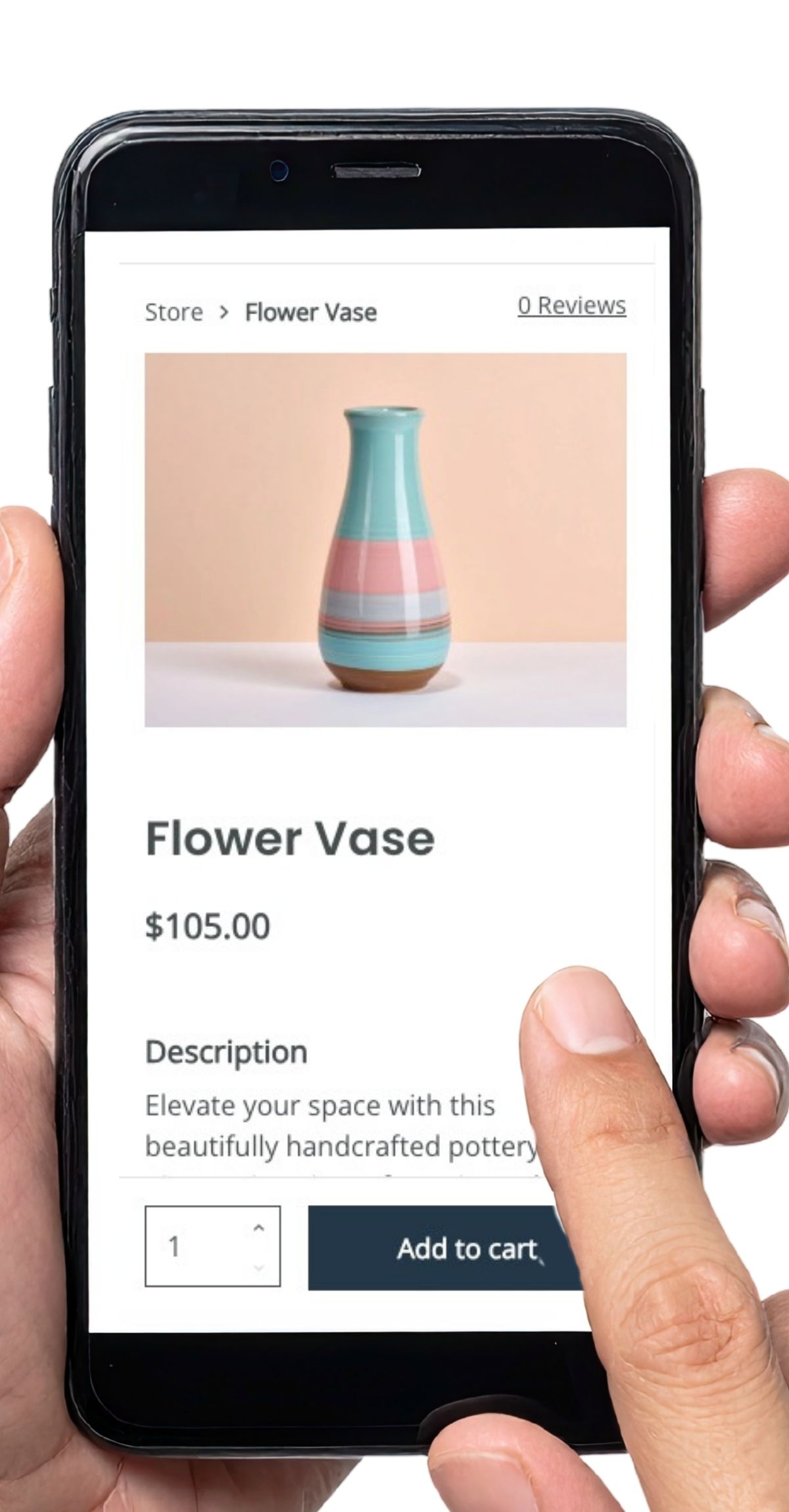
You don’t need to build any of this from scratch. Hosted ecommerce platforms provide templates, product management, and checkout without requiring any code, and there’s no shortage of ecommerce website design ideas to draw from.
2. Products (physical, digital, or services)
Before you build anything, you need to know what you’re selling, how it’ll be delivered, and what that means for your pricing.
| Product type | Fulfilment | Pricing considerations |
| Physical goods | Pick, pack, ship yourself or via an outside provider | Must account for cost-of-goods, packaging, and shipping in every price |
| Digital products | Automated delivery after payment clears | Near-zero marginal cost once created; margins on a $49 download can be very high |
| Services | Booking confirmation, kickoff call, or project intake | Priced by time, expertise, or outcome; more flexible but harder to scale |
Getting this clear early prevents problems later, particularly around setting prices that actually cover your costs.
3. The operational layer
Once your store and products are in place, three things need to work behind the scenes:
- Payments — your store needs a way to process transactions securely, whether that’s card payments, digital wallets, or bank transfers. The options vary, and accepting payments online is worth understanding before you commit to a provider.
- Fulfillment — getting your product to the buyer, whether that means shipping physical goods, automating digital delivery, or confirming a service booking. How you approach shipping for your online store affects your costs, your delivery speed, and whether customers come back.
- Marketing — a store with no visitors makes no sales. Which online store marketing channels you prioritize depends on your product, your budget, and how quickly you need results.
What kinds of businesses sell online?
These days, the short answer is: almost all of them. It used to be reserved for those savvy enough to jump through all the tech hoops, but now it’s accessible to literally everyone. Across every sector, businesses of every size sell online, and the variety is wider than most people assume when they’re starting out.
Some examples:
- Independent retailers selling physical products, either alongside a physical shop or purely online. Many traditional retail stores added an online retail store during 2020 and have kept it running as a meaningful second revenue stream.
- Freelancers and consultants selling service packages or booking slots through their own site, giving them more control over pricing and client relationships than marketplaces provide.
- Content creators selling digital products like guides, templates, presets, or video courses. Once created, these products sell repeatedly with no additional work.
- Service businesses like photographers, tutors, and coaches selling session packages, often combining a booking system with digital delivery of materials.
- Side hustlers running a second income stream around a full-time job, often starting with digital products precisely because there’s no inventory to manage and no minimum order commitment.
- Makers and craftspeople selling handmade goods directly to buyers, cutting out marketplaces and keeping more margin. A ceramicist, a jeweller, or a candle maker running their own ecommerce store keeps far more per sale than they would on Etsy.
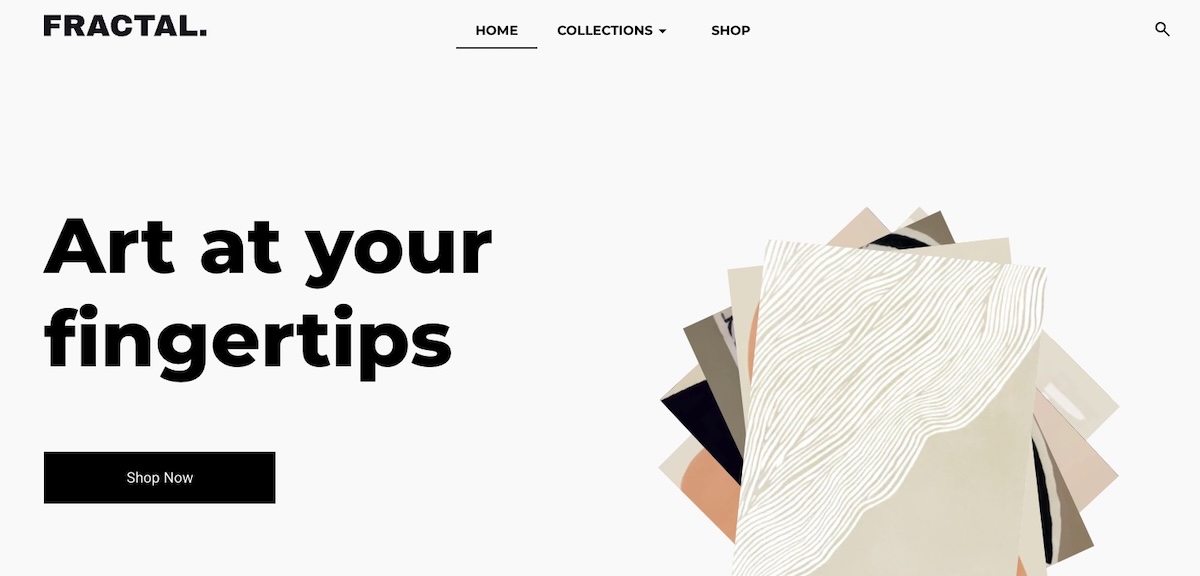
The common thread isn’t industry or business size but rather the decision to sell through a channel you own instead of relying entirely on a marketplace or a brick-and-mortar store location. That decision gives you more control over pricing, customer relationships, and the long-term value of your brand. That’s a big deal!
Is ecommerce right for you?
Very possibly! Afterall, the barrier to starting is lower than it’s ever been. Before you commit, though, it’s worth being honest about where you land.
Ecommerce is a good fit if you:
- Have a product or service people want to buy
- Want a sales channel that isn’t tied to foot traffic or a single platform’s algorithm
- Are willing to invest time in marketing strategy and customer experience
- Want to start small and scale gradually without relocating or hiring
It’s a harder path if you:
- Are expecting revenue without significant marketing effort
- Need income quickly (most channels take months to gain traction)
- Aren’t willing to iterate on what isn’t working
The starting point for most people isn’t a grand launch. It’s a simple store, a handful of products, and a focus on getting the first ten sales. From there, you learn what works, cut what doesn’t, and build your online store.
Start selling with SiteGround
If you’ve read this far and you’re ready to put the pieces together, the next step is setting up your store. SiteGround Ecommerce gives you everything covered in this article in one place: a professional storefront, a built-in payment system, and fast, reliable hosting on infrastructure trusted by millions of websites worldwide..
You don’t need to be technical. You don’t need a big budget to start. You need a product, a plan, and a platform that doesn’t get in your way. SiteGround Ecommerce is that platform.
Frequently asked questions
An ecommerce website is an online store where customers can browse products or services, add them to a cart, and complete a purchase. Unlike a standard website that provides information, an ecommerce website is built to handle transactions, including product listings, inventory management, secure checkout, and payment processing.
An ecommerce CMS (content management system) is the software that powers an online store in the digital commerce space. It lets you manage products, pages, orders, and customer data without writing code. Some CMS platforms are general-purpose with ecommerce added on, like WordPress with WooCommerce, while others are built specifically for selling online. The right choice depends on how much flexibility and customization you need versus how quickly you want to get up and running. For most first-time sellers, a purpose-built ecommerce platform is the faster and simpler path.
A regular website is built to share information: a company profile, a portfolio, a blog. An ecommerce website is built to complete transactions. That means it needs additional functionality, including a product catalogue, an online shopping cart, a secure checkout, and payment processing. Many businesses run both: informational pages about their brand and story alongside a store where customers can buy. The distinction matters because ecommerce websites have different technical requirements around security, speed, and payment compliance.
Most definitely, and many people do. Solo ecommerce businesses are viable from day one, particularly for digital products and services where there’s no physical inventory to manage. As order volume grows, you may want to bring in help with fulfillment, customer service, or marketing, but none of that is necessary to get started.