

This article was originally published in January 2025, and then updated in January 2026.
Somewhere between “let’s boost this post” and “wait, does Gen Z even use Google?” digital marketing became unrecognizable. Your customers are discovering products in 15-second videos and researching purchases through actual conversations instead of clicking through ten blue links.
So what does marketing actually look like in 2026? Well, it’s changing by the day, but what’s important to know is that you don’t need to chase every shiny new platform. That’s why we’re focusing on the six foundational shifts that are redefining how people discover, evaluate, and buy. Here’s what’s actually changing and what you need to do about it.
Key takeaways:
- AI now controls visibility. GEO determines whether your content appears in AI-generated answers, summaries, and recommendations.
- Shopping is AI-driven. AI assistants influence how products are discovered, compared, and purchased.
- Search is no longer linear. People search through conversations, videos, and social platforms rather than just keywords.
- Short-form video fuels discovery. Fast, engaging video is now a primary way users explore products.
- AI powers real conversations. AI-led communication enables personalized, scalable interactions across channels.
- Paid media favors creativity. AI handles optimization, but strong creative drives performance.
Top Digital Marketing Trends for 2026
As we transition into 2026, the following trends are underway and only accelerating. So the marketers who get on board and start adapting now will be better positioned to stay ahead.
1. Generative Engine Optimization & AI Visibility
Before diving into our list of digital marketing trends, let’s unpack a trend that underpins almost everything else: AI, and specifically generative engine optimization (GEO).
GEO is the process of optimizing content so it can be accurately interpreted, prioritized, and surfaced by AI-driven search engines. Unlike traditional SEO, which focuses on ranking on search results pages, GEO is about getting your brand and message to appear in AI-generated summaries, answers, and recommendations across multiple AI platforms.
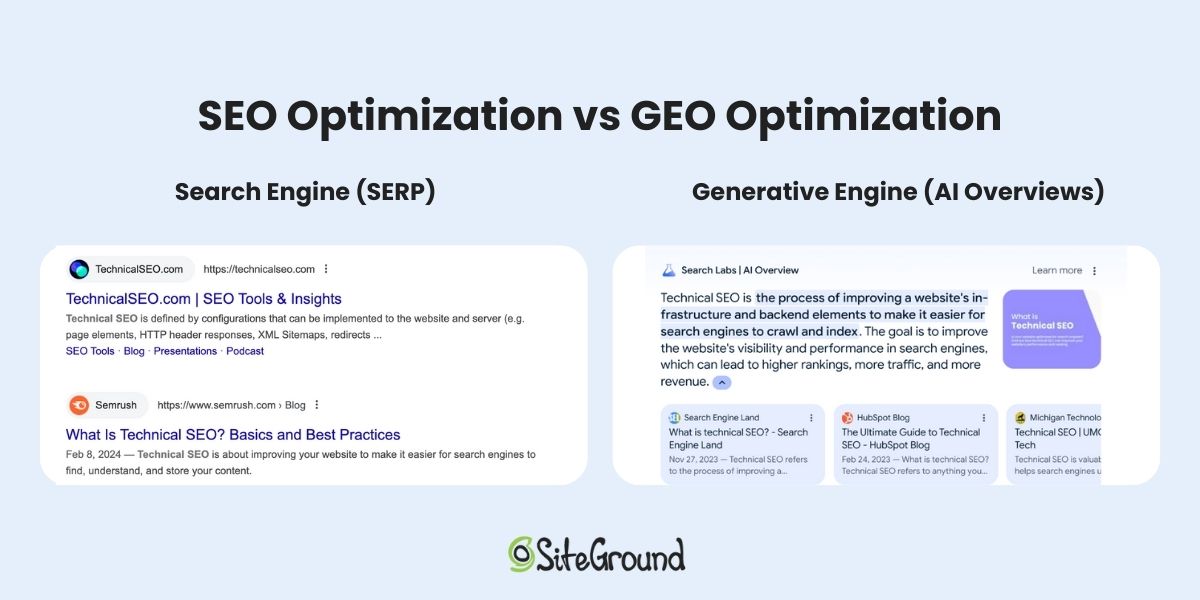
This much-desired visibility is a whole new frontier that we’re only just starting to really understand. But what we do know now is that your success (or lack thereof) depends on how well AI can understand your content, evaluate its trustworthiness, and determine whether it answers customer questions.
What’s changed:
- AI increasingly delivers direct answers and summaries, oftentimes without users visiting the original website page.
- Traditional SEO signals (think keywords and backlinks) remain relevant, but now don’t cut it on their own.
- AI relies on structured data, schema markup, and content clarity to evaluate context, authority, and relevance.
- Content visibility now hinges on authority and alignment with user intent, not just ranking position.
What marketers need to optimize for:
- Structured, machine-readable content (schema, metadata, FAQs) that AI can accurately interpret. Basically, make your content organized so that AI can understand it.
- People-first, authoritative content that genuinely answers questions and demonstrates expertise. That means expert points of view, original content, and authenticity.
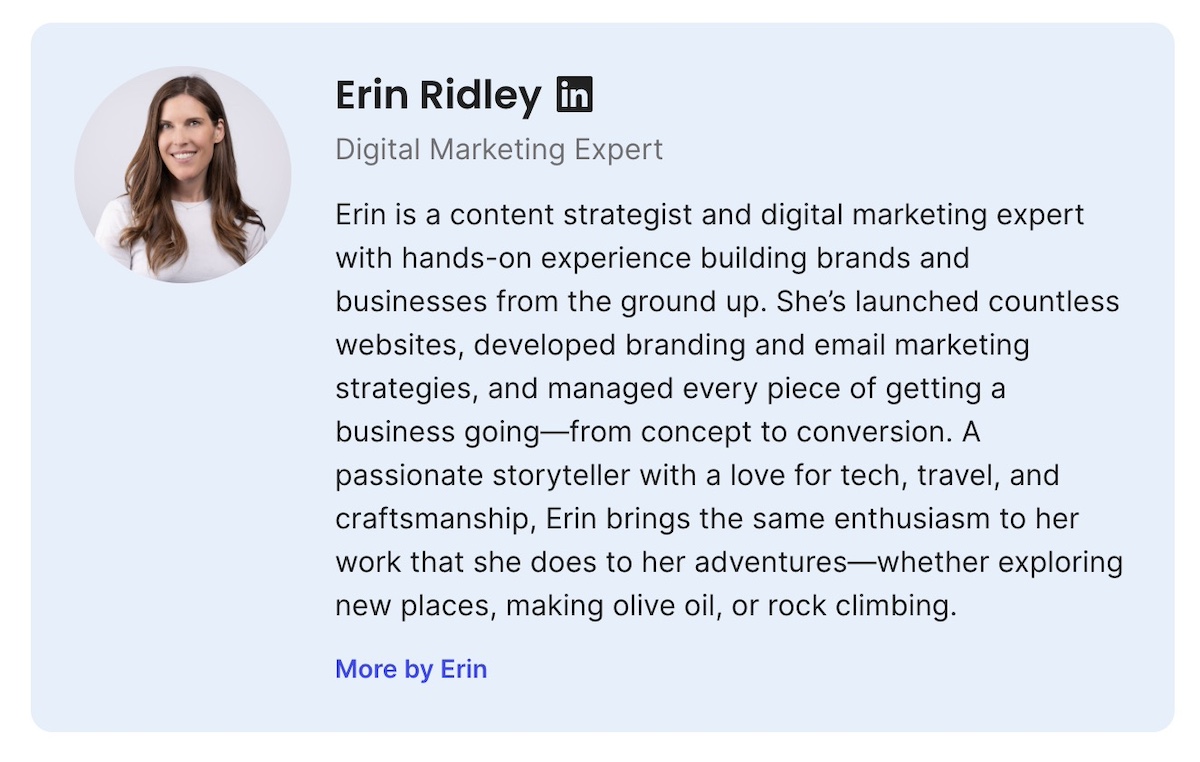
- Signals of credibility and trust like author bios (as seen below), citations, reviews, and social proof that AI can evaluate (and which also contribute to said authority).
- Content optimized so AI systems can accurately extract facts, context, and intent for downstream use.
- Clear internal linking and website structure so AI understands relationships between topics (like your products, services, and so on).
- Continuous monitoring and iteration using AI tools to assess which content is being surfaced and how it’s performing. While this kind of monitoring is evolving day by day, it’s important to stay on top of it.
- Don’t focus on keywords alone and start addressing your users’ questions and search intent through content (such as blog articles) and dedicated pages.
The takeaway:
In 2026, digital visibility depends as much on how AI understands and interprets your content as on traditional ranking (and increasingly more so!). The brands that lean into this trend are likely to reap the greatest rewards.
Building a GEO-Ready Website
Getting this right starts with your site’s foundation. You need clean code, proper schema markup, and a structure that makes sense to both humans and AI.
SiteGround’s Website Builder makes building your site simple and fast, with clean code and easy tools for adding meta titles and descriptions. The website creation is handled so that you can focus your energy on optimizing content for AI.
Get started now>>
2. AI-Powered Shopping & Agentic Commerce
With GEO as the foundation for AI to understand and surface content, the next trend relates to how AI shapes the shopping experience itself. What matters here is not only what we discussed above, but also high-quality product information. This matters because it helps your offerings get accurately evaluated and recommended by AI-powered shopping assistants.

What’s especially noteworthy about this shift is that it’s given rise to the trend of agentic commerce, where AI not only guides discovery but can actively influence or even complete purchases on behalf of consumers.
This isn’t theoretical. In early 2025, OpenAI announced new shopping research capabilities in ChatGPT, signaling a move toward AI systems that actively help users research, compare, and evaluate products inside the interface itself.
What’s changed:
- Shopping is now guided and mediated by AI, rather than purely manual browsing via search engines.
- Discovery, comparison, and decision-making increasingly happen inside AI-powered interfaces, rather than on traditional ecommerce pages.
- AI can evaluate multiple contextual signals (such as price, product attributes, delivery options, and other preferences) to recommend the “best fit” without users manually comparing every option.
What marketers need to optimize for:
- Visibility within AI-driven shopping flows depends on having accurate, well-structured product data and clear differentiation (building on the previously discussed GEO principles).
- Trust signals, such as reviews, ratings, and social proof, that AI can reliably review and surface.
- Product clarity and content completeness so AI can interpret features, benefits, and use cases accurately.
- Seamless website navigation and discovery, making it easy for AI to interpret your content and also guide users through exploration and selection.
The takeaway:
This trend means success depends on how easily AI can understand and surface your product. When product content is GEO-optimized, it doesn’t just increase visibility, it improves the quality of AI recommendations, directly supporting higher conversions.
Watch this space: it’s changing fast.
3. Search Becomes Conversational, Visual & Exploratory
Once AI can reliably interpret and surface content (we’re looking at you, GEO), the way people actually discover and research products is evolving rapidly. Search is no longer a linear process of typing keywords and clicking results. Now it’s a fluid, exploratory experience.
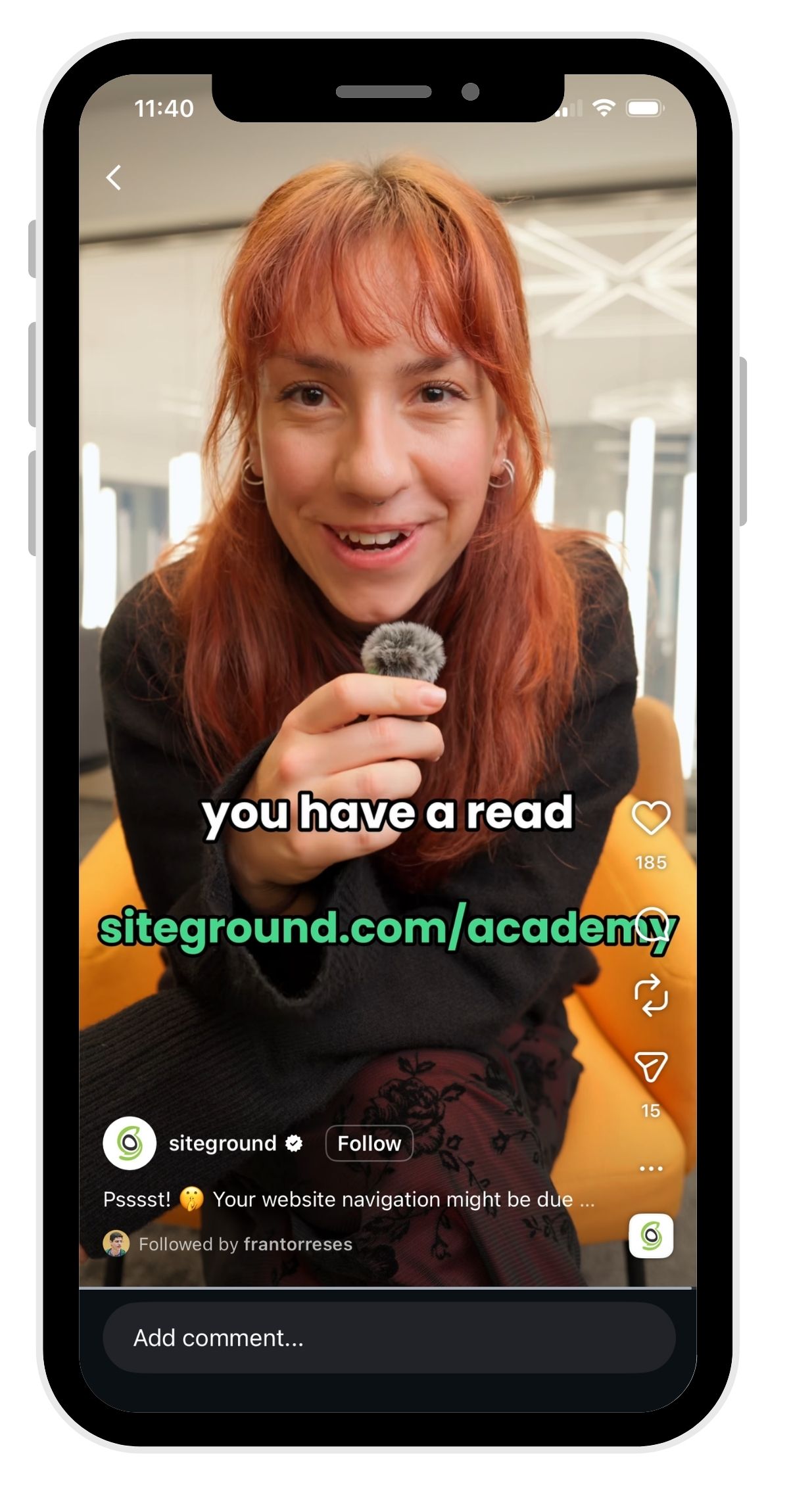
Users now ask follow-up questions, refine intent mid-search, and move between text, video, and social platforms to make decisions. Meanwhile, platforms like TikTok, Instagram, and YouTube have become core discovery engines, especially for product research, local recommendations, and “how-to” content.
What’s changed:
- Search is increasingly conversational; users ask full questions instead of short keywords.
- Discovery is non-linear; queries now span multiple formats and platforms.
- Social platforms function as search engines, especially for younger, discovery-first audiences.
- Visual and video results are becoming influential, not just text-based content.
What marketers need to optimize for:
- Content that answers questions the way people actually ask them, not just keyword-stuffed pages.
- Specific, detailed search phrases instead of only chasing the obvious high-traffic terms.
- Social media marketing across platforms, including TikTok, Instagram, YouTube, and other discovery channels.
- Search-friendly video and visual content optimized for both traditional search and in-platform discovery.
- Consistent visibility across platforms by matching content to real user intent.
The takeaway:
Success in 2026 depends less on ranking for a single keyword and more on consistently showing up across the entire customer journey of discovery. So that’s really wherever and however users explore before making purchase decisions. If we can start to really understand these evolving search behaviors, then we can better guide customers toward conversions.
4. Short-Form, Fast-Turnaround Video More Powerful than Ever
Building on this shift toward conversational, exploratory search, short-form videos have, as a result, become a super important channel for discovery and engagement. TikTok, Instagram Reels, YouTube Shorts: they all involve allowing users to quickly explore, compare, and evaluate products. And often before they even reach your website.
AI takes this even further by helping brands create, edit, and repurpose videos at scale, all while keeping messaging and branding consistent. With accurate metadata and transcripts backing your videos, AI can understand your content and deliver it to the right people at exactly the right time.
What’s changed:
- Short-form video is now a primary discovery channel, and more than just entertainment.
- AI enables rapid production, editing, and repurposing of video assets.
- Video content is increasingly integrated into search, social, and commerce, influencing both awareness and conversions.
- Attention spans are shorter, so content must communicate value immediately.
What marketers need to optimize for:
- Producing videos quickly to stay relevant and post consistently.
- Reusing content across different platforms to get more value from each video.
- Creating stories that grab attention in the first few seconds.
- Making videos easy to find through AI recommendations and discovery features.
- Adding clear descriptions and tags so AI can understand and show your content to the right people.
The takeaway:
Short-form video has become a primary channel for how people discover products. AI tools let you produce and optimize videos at the speed and scale needed to stay visible where your customers are actively searching and scrolling. When your content shows up at the right moment across search, social, and ads, you’re there during those critical seconds when people are exploring options and deciding what to buy.
5. AI-Led Communication: Conversational Everything
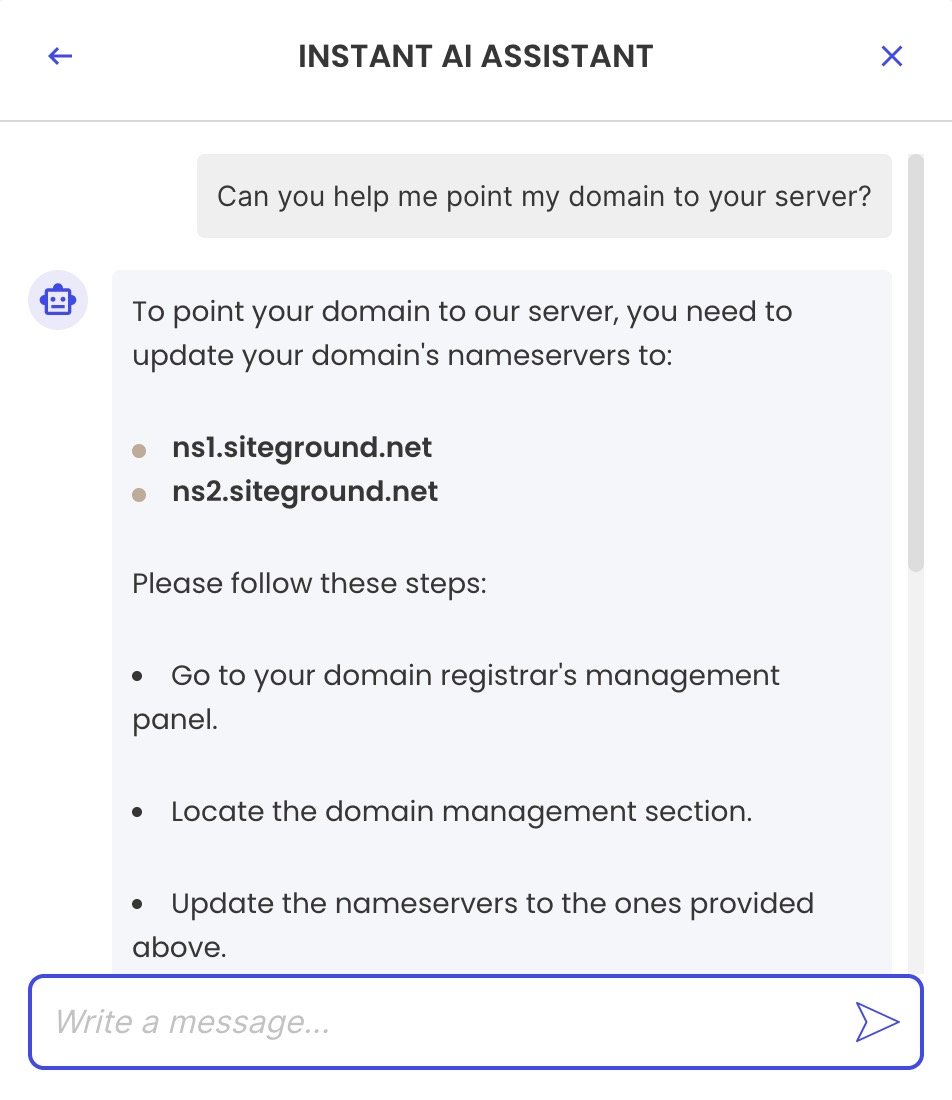
AI isn’t just answering questions anymore. It’s running the whole conversation. Whether someone lands on your website, slides into your DMs, or asks a question in search, AI is there having real-time chats that actually feel human. (A little scary, a little impressive.) It’s not just spitting out canned responses. It understands your brand, reads the room, and responds like it actually gets what people need. Welcome to the era where your customers might not even realize they’re talking to a bot.
What’s changed:
- AI chatbots and conversational interfaces now handle multi-turn, complex interactions, not just FAQs.
- Messaging is personalized in real time, drawing on behavior, preferences, and context.
- Conversational interfaces are integrated across channels, from web and apps to search and social platforms.
What marketers need to optimize for:
- Defined conversational goals: Be clear about what each AI interaction should help users do, whether that’s exploring, deciding, resolving, or converting.
- A consistent conversational voice: Document tone, language style, and boundaries so AI responses sound recognizably “you,” everywhere.
- Context-aware responses: Ensure AI can reference relevant pages, products, policies, and past interactions instead of giving generic answers.
- Clear escalation paths: Decide when AI should continue the conversation and when it should hand off to a human.
- Ongoing review and refinement: Regularly audit real conversations to catch inaccuracies, gaps, or off-brand responses and adjust accordingly.
The takeaway:
AI-led communication isn’t about replacing human interaction; it’s about scaling it smartly. Brands that actually design their conversational experiences (instead of just automating for the sake of it) create smoother journeys from discovery to purchase. Skip this step and you risk sounding robotic, off-brand, or just plain unhelpful as you scale your business.
6. AI-Driven Paid Media & Creative-Led Performance
Once you’ve nailed discovery and engagement, paid media takes things to the next level. AI has transformed this space, too. By 2026, real-time ad optimization runs almost entirely on autopilot. AI handles the bidding, figures out who to target, and places your creative where it’ll perform best. Nearly half of advertisers have already anticipated letting AI handle bidding and optimization, according to Emarketer. This approach frees you up to focus on making ads people actually want to see.
With AI handling technical optimization (like Meta targeting peak-converting audiences or Google Performance Max shifting budgets to top-performing creative), your real opportunity to stand out is in your messaging, hooks, and emotional resonance. AI can optimize all day long, but it’s your creative that gives it something worth optimizing. The better your ads connect with people, the better signals AI has to work with.
What’s changed:
- AI now handles bidding, targeting, and where your ads show up, so you spend less time in the weeds.
- Real-time adjustments keep your campaigns performing without blowing your budget.
- Your creative quality matters more than your technical setup.
- The stories you tell shape the signals AI uses to optimize.
What marketers need to optimize for:
- Creative that actually stops the scroll and makes people care.
- Clear, punchy messaging that gets to the point fast.
- Authentic storytelling that feels human, not corporate.
- Testing new creatives constantly while AI handles the optimization grunt work.
- Keeping your paid and organic content aligned so AI can accurately read what’s working.
The takeaway:
Paid media in 2026 is less about babysitting campaigns and more about creating ads worth amplifying. Let AI handle the technical heavy lifting while you focus on content that connects. Good creative plus smart automation equals better results. Simple as that.
Looking Ahead: Where Digital Marketing Trends Are Taking Us
These six trends share one thing: AI is reshaping how people discover, evaluate, and buy. The brands winning in 2026 use AI to scale what works while focusing their energy on creativity, authenticity, and storytelling.
You don’t need a huge team or budget to keep up. You need a solid foundation: a fast, flexible website built to work with AI. That means clean code, structured data, mobile optimization, and the ability to move quickly.
The SiteGround Website Builder is built for exactly this. It helps you create sites optimized for speed, SEO, and the structured content AI systems need. Whether you’re starting fresh or improving what you have, the right infrastructure makes everything else work better.
The future of marketing isn’t chasing every new platform. It’s showing up consistently and intelligently wherever your customers are looking. Nail that, and you’re set.
This article was originally published in January 2025, and then updated in January 2026.
Great insights on where marketing is headed in 2025! I especially loved how the blog emphasized “trends in digital marketing” like personalization and zero-party data—it’s all about building trust and engagement. Can’t wait to apply these to my own strategy!