Facebook & Instagram Posts To Appear in Search: What It Means for Business

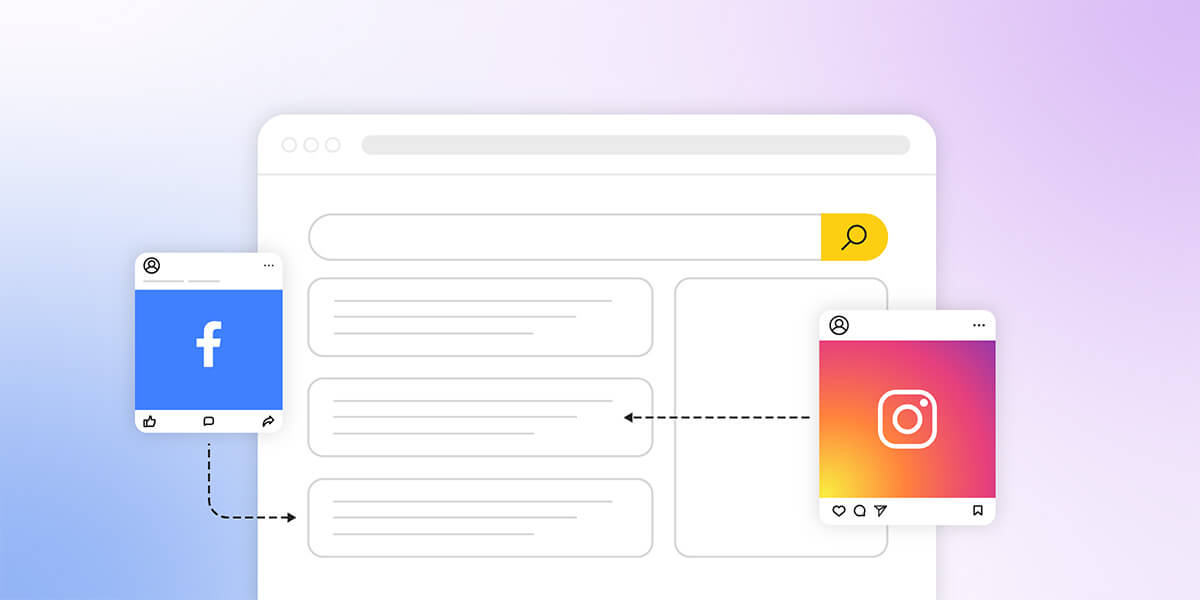
Image illustrating Facebook & Instagram Posts Appearing in Search engine result page

If you’re trying to grow your business online, chances are social media is already part of your strategy, especially Instagram and Facebook. With over 2 billion monthly users, it’s one of the most powerful tools to connect with your audience in almost every industry.

But now, your Instagram & Facebook content has become even more valuable not just inside the Meta apps, but across the entire web. Starting July 10th, public posts on both platforms from brands and creators can appear in Google search results, increasing your content’s chances of discovery among over 105,000 searches every second. 

So, what exactly changed, and how can small business owners, freelancers, and creators make the most of this update? I’m breaking it all down, so keep reading.

Instagram Search Engine Update – What’s Actually Changing?

The newest Meta update enables search engines to crawl and index all public photos and videos on Instagram and Facebook, starting July 10, 2025. That means when a user searches on Google, Bing, or another search engine, they’re going to not only see website links and AI overviews, but also related posts by public profiles on Instagram & Facebook.

Which Instagram Accounts Will Be Indexed by Google?

According to Meta, only posts and reels from brands and creators published after January 1, 2020, will be indexed, and only from Instagram accounts that meet these criteria:

  • The account owner is 18 years or older
  • The account is public
  • The account is a professional (business or creator) account

Why This Instagram Search Engine Update Matters for Brands and Creators

Until now, Meta didn’t allow search engines like Google to index public posts. And while social search has grown – especially among Gen Z, who increasingly use TikTok and Instagram as discovery platforms – Google and other traditional search engines remain the primary tools for finding businesses, services, and information online.

That meant Instagram content was basically invisible outside the app. It was sitting on the sidelines, quietly watching as TikTok videos climbed to the top of search results. As a result, all the effort you’ve poured into creating reels, carousels, and posts was limited by their short shelf life – if your audience missed them in their feed, the content was likely gone for good unless it went viral.

With Instagram’s new update, this is changing for the better. Smaller brands and creators finally have the chance to extend the reach and longevity of their content. Instead of relying solely on in-app engagement, now each Instagram post you publish is an opportunity to reach audiences actively searching for what you offer.

For example, imagine you’re a local florist in Atlanta. A video you posted months ago showcasing your wedding arrangements could now appear in a Google search like “best florists for a wedding in Atlanta.” Or, if you’re a pet photographer, your Instagram carousel of dog portraits might show up when someone searches “pet photography recommendations near me.”

What does this mean for your content strategy? It’s no longer just about chasing trends or quick engagement. With this update, older, high-quality posts can keep working for your business, turning Instagram into a more evergreen content channel that supports your SEO efforts, brand visibility, and conversions over time.

How to Optimize for Instagram Search Engine Visibility?

Before we dive into the how-tos, let’s get something clear: this update is brand new, and no one has all the answers yet. Everyone is in test-and-learn mode, trying to understand what actually gets results.

That said, here are a handful of tips based on existing SEO and content principles, which can give your content a better shot at showing up in search and expanding your reach.

Use Relevant Keywords in Captions 

You probably already know not to substitute important words in your captions with emojis (if not, consider this a friendly reminder). But now, it’s more important than ever to be intentional with your captions.

This doesn’t mean your content needs to be boring or that you should start writing long, academic-style posts. It just means making the most of the words you choose, especially since those words can now help your content appear in Google search results.

For example, if you own a local florist shop and you’re posting a reel with behind-the-scenes footage of decorating a wedding venue, don’t just write: “Here’s a sneak peek of our work 💐”

Instead, try something like: “We loved being part of this beautiful wedding in Atlanta! Here’s a little sneak peek at how our custom wedding flower decorations brought the venue to life.”

This type of caption includes relevant keywords – like wedding, Atlanta, and flower decorations – that improve your post’s chances of being picked up by search engines.

Include Descriptive Alt-texts

You’re probably skipping this step, but trust me, it’s an important one. Search engines aren’t human. They don’t “see” images the way we do; they rely on text to understand visual content. That’s why adding alt-text to your images and videos is essential—it helps search engines (like Google) know what your content is about, which can increase your chances of showing up in search results.

And as a bonus, alt-text is also crucial for accessibility, making your content more inclusive for users who rely on screen readers.

So what’s the trick to writing good alt-texts without stressing out? Use AI. Upload your image to ChatGPT, Claude, or any AI tool you prefer, and ask it to generate an alt-text description. Chances are, it’ll nail it—after all, it’s a machine writing for a machine.

Create Reels and Original Content

Instagram’s short-form video format, a.k.a “Reels,” continues to be favored by the algorithm. And with Google increasingly prioritizing video content at the top of search engine results, there’s a good chance it will favor Reels too.

That said, make sure your Reels actually deliver value, not just quick, filler content riding the latest trending sound. Google is placing more focus on surfacing useful, relevant content that answers real user intent, as people increasingly look for authentic insights, not just entertainment.

So, whether you’re sharing tips, behind-the-scenes moments, or quick how-to videos, make sure your Reels are worth watching to make them worth ranking. And this goes for all your posts, regardless of the format—the more value you bring to your audience, the more likely your content will get ranked.

Use Relevant Hashtags

Think of hashtags as keyword tags for your content. They could help both Instagram and Google understand what your post is about.

Use your branded hashtag, but also add some related to your topic or industry. Aim for a combination of high-volume, mid-volume, and low-volume tags to increase your chances of reaching different audience segments.

And remember, more isn’t always better. Around 5 to 10 well-chosen hashtags is usually enough to help algorithms interpret the search intent behind your content.

Use Location Tags

One of the biggest expected benefits of this Instagram search engine update is for local businesses. With your posts now eligible to appear in Google results, there’s a real opportunity to rank for high-intent local searches and significantly boost your visibility.

To take advantage of this, you need to tag your business location whenever possible. Geotags help search engines understand where your business operates, which can strengthen your local SEO and improve chances of showing up in location-based searches.

Business Considerations and How to Stop Google Indexing Your Instagram Content

A note here, don’t forget that your Instagram content will be more public and visible than it was before. So when posting, consider if the piece of content is something you’d be happy to appear in Google search results. 

It’s also worth auditing your old content and giving older posts an SEO update (such as adding keywords to the captions).
And still, if you’re uncomfortable with Instagram indexing your posts, you can turn it off in settings.

Final Words

In short, the new Instagram & Facebook Search Engine update is great news for brands and creators using the Meta platforms. Here are a few key SEO principles that you can keep in mind when trying to take advantage of the change:

  • Use Relevant Keywords in Captions 
  • Include Descriptive Alt-texts
  • Create Reels and Original Content
  • Use Relevant Hashtags
  • Use Location Tags

This update from Meta, in combination with the rise of social media searches, shows that the line between social media and SEO is fading. 

For years, we treated organic social media content as a tool solely for brand awareness and community building. And while that’s still true, there’s now a major new layer: discoverability. A well-optimized Instagram post can now help you land in front of real customers who are actively searching for exactly what you offer.

Whether you’re a small business owner, freelancer, consultant, or creator, this shift is a huge opportunity to get found beyond the feed, but only if your social content and SEO strategies start working together.

Before you go, drop a comment on how you’re planning to get your Instagram content ranked on Google – I would love to hear your ideas!

AI Ethics in Marketing: What It Really Means in Practice

abstract of ethical considerations in ai

AI is now officially baked into our daily lives—whether we’re getting eerily accurate product suggestions, binge-worthy content queues, or always-available customer support. And if you’re in marketing, chances are you’re using AI tools more and more to get your job done. In many ways it’s great news, but as AI becomes a bigger part of our workflow and strategy, so does the looming question: What are the ethical considerations of AI in marketing?

So today we’re going to tackle what this means for your marketing in practical terms, and not just in philosophical ones. From chatbots to ChatGPT, we’ll be examining how you should be thinking about the ethics of AI in your day-to-day marketing and business efforts. 

What Is AI in Marketing, Really?

Search for “AI ethics in marketing” and you’ll find a lot of big ideas—data privacy, algorithmic bias, transparency—but not much clarity on what those issues actually look like in real life. Are we talking about the ethics of ad targeting? Of AI-generated content? Customer data? And which of these actually apply to your corner of the marketing world?

Indeed “AI in marketing” is a broad umbrella of considerations that includes everything from writing email subject lines to predicting who’s most likely to click “buy.” It can automate, analyze, personalize, and generate at a scale that wasn’t possible even a few years ago—transforming everything from campaign targeting to content creation, and even how AI shapes SEO strategy.

But not all AI tools carry the same issues and risks—or raise the same ethical questions.

To make this more actionable, we’re going to break these considerations down by use case and explore what to watch out for with each:

  • Generative AI that creates text, images, or video
  • Predictive analytics that forecast behavior and outcomes
  • Personalization engines that tailor content or offers
  • Chatbots and virtual assistants that manage interactions
  • Ad targeting algorithms that decide who sees what

Each of these issues comes with its own set of implications and benefits—and its own ethical blind spots. So instead of talking ethics in the abstract, we’re going to look at these considerations in context.

Let’s get into it.

The Ethical Considerations of AI by Marketing Use Case

1. Generative AI & Content Creation

AI tools like ChatGPT, Jasper, or DALL·E have all become commonplace go-tos in any marketers toolbox. Product descriptions, blog posts, ad campaigns—they’re all fair game when it comes to AI-generated content. Which is also why it has a lot of marketers scratching their heads, wondering about the ethical considerations at play.

Visual of a generative AI tool helping to craft email copy

Key Concerns

  • Transparency: When consumers take in content, they very likely assume it was created the old-fashioned way (by a human, that is!), and not by AI. This assumption can be problematic because it may mislead readers about the source or credibility of the information. For example:
    • In educational or informational content, AI can easily present outdated or inaccurate facts with confident and not-so-transparent wording, which could misinform readers who trust it as expert insight.
    • In thought leadership, audiences expect original ideas or firsthand experience—something AI, by nature, cannot provide.
    • In customer support, using AI without disclosure can negatively impact trust if users discover they’re interacting with a bot, especially in sensitive or high-stakes scenarios.

In short, when using an AI tool or ChatGPT for marketing, the output may lead people to believe they’re hearing from a human—particularly an expert, authority, or representative. Customers make decisions based on that perceived authenticity, and if your content isn’t original, it can undermine trust.

  • Information Security: Many marketers use AI tools by inputting customer details, drafts, or internal business info into platforms like ChatGPT. But unless you’re using an enterprise-level solution with strict privacy policies, that information could potentially be stored or used to train future models. This raises concerns about safeguarding proprietary content and protecting customer privacy—especially when using free or public AI tools.
  • Plagiarism & Originality: Generative AI tools are trained on large datasets scraped from the internet. While they create “new” content, there’s always a risk of closely replicating existing work—potentially without proper attribution or awareness.
  • Brand Authenticity: Content generated by AI can lack nuance, emotional depth, or contextual awareness—especially when used without human review. This can lead to tone-deaf messaging, inconsistencies in voice, or even reputational harm if the content misrepresents your values.

Recommendations:

  • Clearly label AI-generated content when appropriate, especially in editorial or informational contexts.
  • Be mindful of what you share: Avoid pasting sensitive, personal, or proprietary information into generative AI tools unless they’re designed for secure, enterprise use. Treat AI like an external collaborator—one who needs boundaries to protect your business and your customers.
  • Be smart about your ChatGPT prompts, making sure they are extra precise in order to yield highly custom responses, then refine to really make the content your own.
  • You’re the brain, AI is just the assistant: AI is a powerful creative partner, but it shouldn’t replace your own thinking. Use it to draft, brainstorm, or edit—but the final insight, perspective, and voice should come from you. That’s what keeps your content original, credible, and human.
  • Use plagiarism checkers and editing tools to review AI output for originality and quality.
  • Maintain human oversight to ensure the tone, message, and brand identity are preserved.

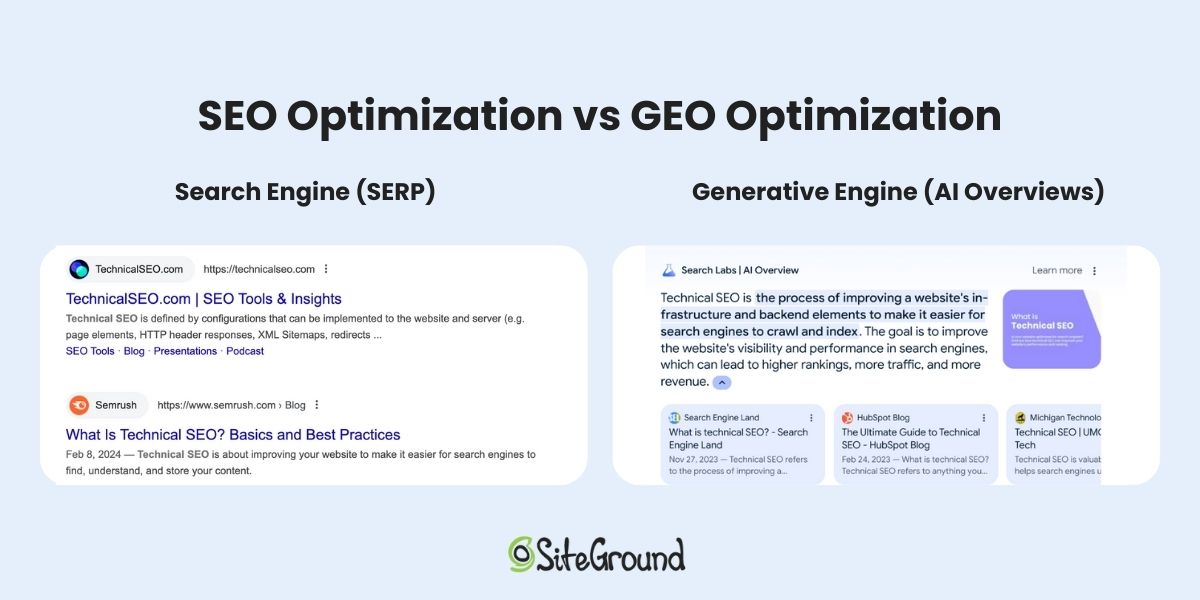
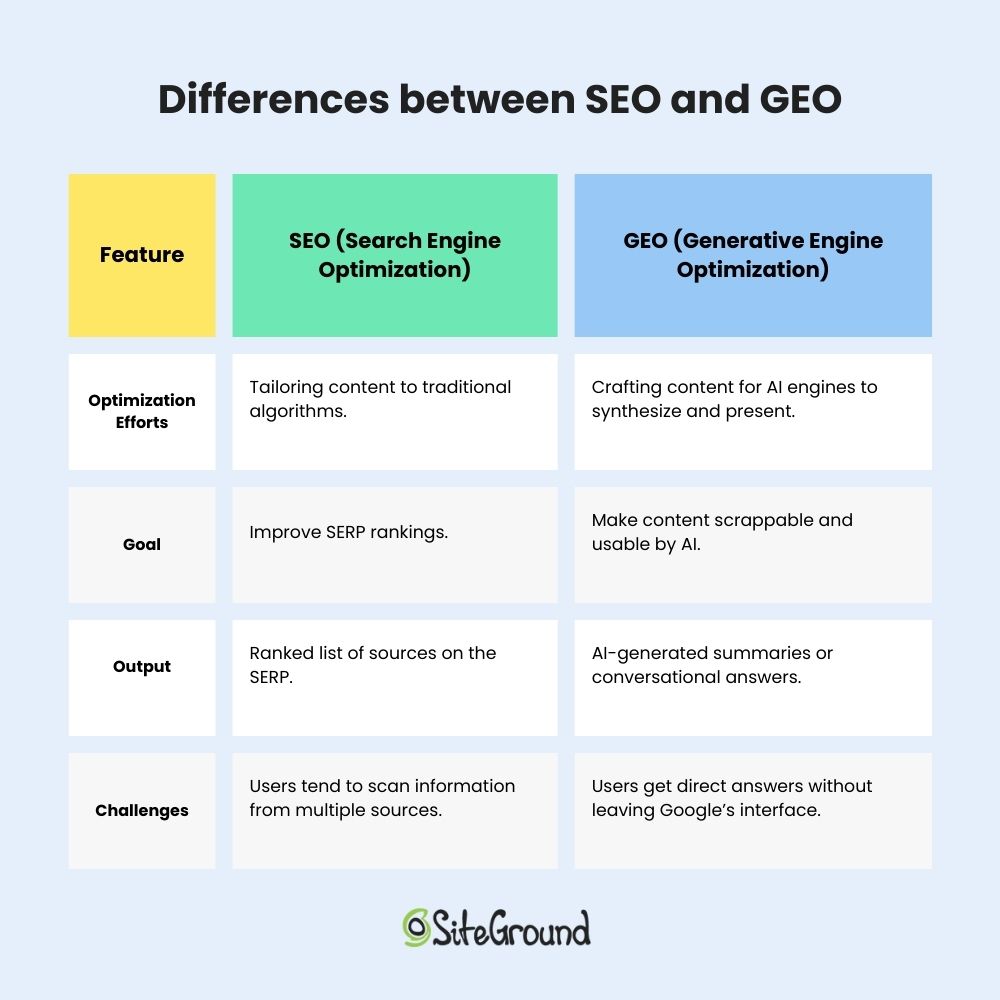
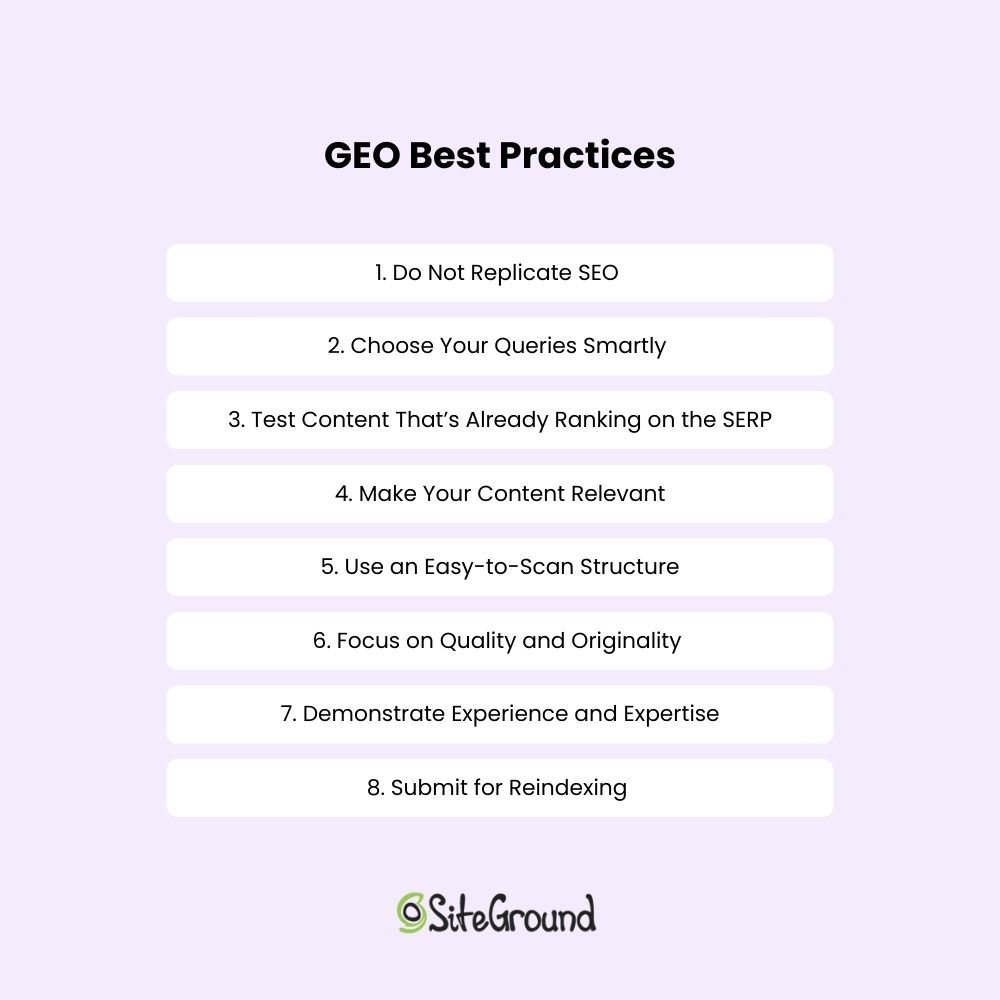
Pro tip: As AI content becomes more prevalent across blogs, landing pages, and campaign assets, a new consideration is emerging: how to ensure it gets found. This is where Generative Engine Optimization—or GEO—comes into play. GEO is about crafting AI-generated content that’s not just high-quality, but also structured and styled to perform well in AI-driven discovery tools like ChatGPT, Perplexity, and Google’s AI Overviews. It’s just another reason to make sure your content is original and worth discovering.

[108]

2. Predictive Analytics

AI-driven predictive analytics allow marketers to identify trends, segment customers, and forecast behaviors—from churn risk to likelihood to purchase. It unlocks a whole lot of marketing potential! But when applied without care, it also raises ethical red flags.

Key Concerns:

  • Data Privacy: Predictive models rely on vast amounts of behavioral and demographic data, a lot of which is collected passively or indirectly. So if customers aren’t aware of how their data is being used, or didn’t explicitly consent, you as the marketer risk violating privacy norms or even regulations.
  • Bias: If the training data reflects real-world inequalities, the model can reproduce and reinforce them. For example, a model predicting “high-value customers” could unintentionally prioritize certain age groups, zip codes, or socioeconomic classes, leading to exclusion or discrimination.
  • Over-targeting: Just because you can anticipate a customer’s behavior doesn’t mean you should act on it. Hyper-personalized targeting can cross the line into manipulation, nudging users in ways that feel intrusive or exploit emotional vulnerabilities (like targeting someone during a late-night scroll binge).

Recommendations:

  • Be clear about consent: Ensure that data used in predictive models is collected ethically and transparently. Revisit your privacy policies to make sure they align with how you actually use data.
  • Test for fairness: Regularly audit models for biased outcomes. This means checking whether certain groups are being unfairly excluded or overly targeted—and adjusting the model or dataset accordingly.
  • Use data to empower, not pressure: Aim to support customer decisions, not manipulate them. For instance, predictive models can be used to help users find what they need faster—not to push unnecessary purchases or create urgency traps.
  • Involve cross-functional review: Bring in legal, compliance, and ethical oversight—especially for sensitive use cases—to ensure predictive tools are aligned with your company’s broader values and obligations.

3. Personalization Engines

Everyone loves a good recommendation—like a spot-on product pick or an ad that feels like it just read your mind. When personalization is done right, it can feel like magic. But there’s a fine line between helpful and just plain creepy.

Key Concerns:

  • Manipulation: Personalization can quickly become persuasion. Nudging someone toward a product they might like is one thing, but designing experiences that subtly push them into spending more or clicking faster can feel exploitative, especially if emotional triggers are involved.
  • Fairness: Algorithms often determine who sees what, but not everyone gets the same deals, opportunities, or exposure. We’ve touched on this already, but if your system unintentionally favors certain demographics or behaviors—like showing premium products only to high-income areas or reinforcing gender stereotypes in recommendations—you might be leaving others out without realizing it. And that’s just not good business.
  • Data Transparency: People should know how and why they’re seeing certain content. If your site feels like it knows too much without ever asking, it can set off privacy alarms.

Recommendations:

  • Be helpful, not pushy: Use personalization to guide, not pressure. That means going with: “Here’s what we think you’ll love,” instead of “Buy this now or miss out forever.”
  • Audit for fairness: Check who’s getting shown what, and who’s not. Test across different personas to make sure your engine isn’t creating a digital popularity contest.
  • Explain the magic: A simple “We recommend this based on your recent views” goes a long way in making people feel informed, not tracked. Transparency builds trust and keeps the creep factor low.

4. Chatbots and Virtual Assistants

AI-powered chatbots and virtual assistants are everywhere—from answering FAQs to helping customers track orders or make product decisions. They’re efficient, available 24/7, and can handle a shocking number of queries without human help. But while they’ve come a long way, they still raise some eyebrows and come with their own set of implications.

Key Concerns:

  • Disclosure: Users often assume they’re chatting with a human, especially when the bot is extra chatty or friendly, and introduces themselves by a name. So when you fail to make it clear that it’s an AI behind the screen, it can make the customer feel a bit duped (even more so if the conversation involves important or sensitive issues).
  • Accuracy: Chatbots are only as smart as the data and rules behind them. They might give outdated or incomplete answers—or worse, confidently provide wrong information. When users rely on that info to make decisions, a simple mistake can have real consequences.
  • The Empathy Gap: As hard as they try, Bots don’t have feelings, and yet they’re often used in situations that call for empathy, like complaints, cancellations, or product issues. So if a customer is frustrated or upset, a scripted bot response can feel cold or dismissive, damaging trust and sales instead of saving time and budget.

Recommendations:

  • Be upfront about the bot: Start every interaction with a clear intro like, “Hi! I’m an AI assistant here to help.” This manages expectations and builds trust from the first message.
  • Set smart limits: Know when to hand things off to a human. If a chatbot hits a complex or emotional issue, the best response might be, “Let me connect you to someone who can help further.”
  • Train bots with care: Keep responses helpful, accurate, and human-sounding—but not too human. Also, regularly update content to make sure answers reflect current policies, inventory, or terms.
  • Add emotional intelligence cues: Even if bots can’t feel, they can still respond in ways that feel thoughtful. Phrases like “I understand that must be frustrating” can go a long way in softening automated replies. And again, set those smart limits, so that if a customer is truly frustrated, they get connected with a real, feeling human being.
Visual of an AI assistant along with disclosure

5. Ad Targeting Algorithms

AI-driven ad targeting is what makes those eerily relevant ads follow you around the internet—from the shoes you almost bought to the flight you only searched once, and the car you merely thought about researching when you saw it on the freeway yesterday. This kind of ad targeting is powerful, efficient, and often boosts ROI—but its creepy precision also raises some big questions about privacy, fairness, and how much users really know about what’s happening behind the scenes.

Key Concerns:

  • Surveillance: We’ve all felt it: ad targeting can feel a lot like digital stalking. These algorithms track behavior across websites, apps, and devices, often collecting more data than users realize. And when people feel watched rather than understood, they start to get suspicious and trust a whole lot less.
  • Algorithmic Bias: Bias strikes once again because AI learns from data patterns, but those patterns can reflect real-world inequalities. That means targeting algorithms might unintentionally exclude or stereotype certain groups—like showing job ads mostly to men or financial products only to wealthier users.
  • Transparency: Most users don’t know why they’re seeing a certain ad, what data was used to target them, or how to control it. The more opaque the process, the more people feel manipulated instead of marketed to.

Recommendations:

  • Collect responsibly: Be mindful of how much data you’re gathering and why. Stick to what’s needed, disclose it clearly, and give users real control over tracking and targeting preferences.
  • Audit your targeting regularly: Like in other cases, check who your ads are reaching and, just as importantly, who they’re not. Make sure your campaigns aren’t unintentionally reinforcing bias or limiting reach.
  • Offer transparency tools: Give users a way to understand and manage their ad experience (like “Why am I seeing this?” links or personalized ad settings). It’s good ethics and good UX.
  • Balance relevance with respect: Smart targeting doesn’t have to feel invasive. Focus on delivering value, not just visibility. If your ad makes someone feel seen—in a good way—you’ve nailed it.

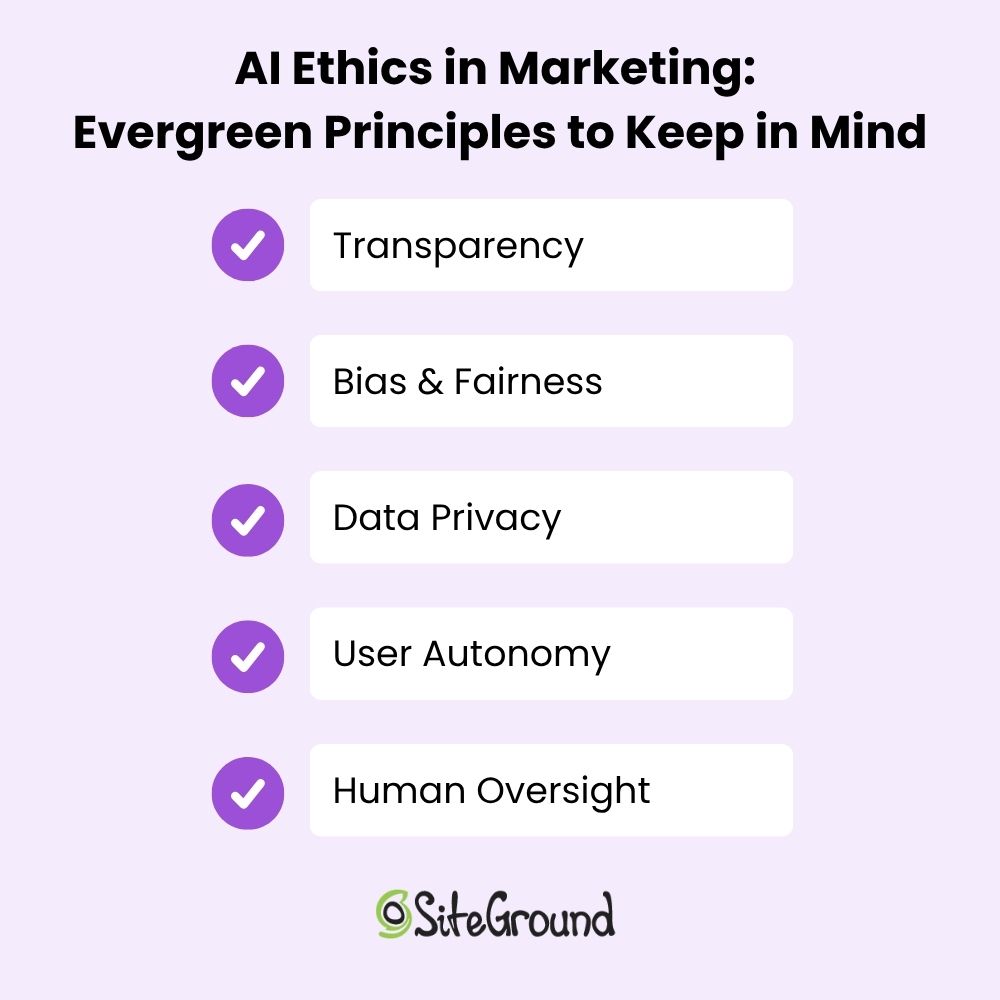
AI Ethics in Marketing: Evergreen Principles to Keep in Mind

As we’ve seen across different AI tools—from content generators to chatbots and ad engines—the ethical concerns and considerations may vary in detail, but they revolve around a few core themes. So as you move through the world of AI in marketing, no matter the context, you’ll always want to keep the following in mind: 

Transparency 

Whether it’s content, conversations, or ads, people deserve to know what’s AI-generated and how their data is being used. The more open you are, the more trust you earn.

Bias & Fairness 

AI doesn’t operate in a vacuum. It learns from us, flaws and all. That means unchecked models can reinforce stereotypes or unfairly exclude certain groups. Ethical marketing means that businesses should actively work to catch and correct those patterns.

Data Privacy

Just because data is accessible doesn’t mean it should be used indiscriminately. Ethical AI marketing respects customer privacy—not only to comply with regulations like GDPR, CCPA, or other regional laws, but also to limit exposure of private data when using external AI tools. Transparent data practices and secure handling are non-negotiable pillars of trust. 

User Autonomy

Personalization and prediction should empower users and not manipulate them. Ethical AI marketing supports better decision-making rather than pushing people into a corner.

Human Oversight

AI can do a lot, but it shouldn’t be doing it all alone. Keeping humans in the loop—especially for sensitive decisions or customer touchpoints—is what makes AI feel like a tool, not a replacement. It’s not meant to be the brain—it’s there to assist your brain. Your ideas, your judgment, and your expertise are still the most valuable parts of the process.

Together, these considerations form the foundation of responsible AI marketing and business. They’re not just “nice-to-haves,” but in fact critical for building brands that last.

A list of AI ethics and principles in marketing

Ethical Implications of AI: Where Marketers Go From Here

AI isn’t going anywhere—and neither are the ethical questions and implications that come with it. As marketers, we’re in a powerful position, as we get to shape how AI shows up in the world, how it interacts with real people, and how much trust it earns (or loses) in the process. That means asking hard questions, pushing for transparency, and making ethics an integral part of the process from the start.

We at SiteGround lean into AI, and it’s thoughtfully weaved into the fabric of what we do. For web hosting, our Antibot AI blocks millions of brute-force attacks before they ever reach your site. When it comes to finding the perfect domain, AI powers our search tools to suggest names that are relevant, memorable, and on-brand. And when it’s time to build your website or craft your next campaign, our Website Builder and Email Marketing Platform include built-in AI tools to help you create fresh content that’s clear, polished, and ready to go.

6 Social Proof Examples That Will Transform Your Marketing Strategy

Social proof examples header image

Social proof taps into our natural instinct to follow the crowd—because if others love it, it must be good, right? It’s one of the most powerful ways to influence buying decisions, showing potential customers that people just like them are already raving about your brand.

When you know how to make the most of social proof, it can take your advertising from “meh” to “must-have” magic. It helps you build trust and credibility with potential customers in a way that feels genuine and makes a real impact.

In this article, we’ll first explore what social proof means and the psychology behind it. Then, we’ll check out six practical examples that can totally revamp your marketing strategy and help you connect more authentically with your audience.

What Is Social Proof?

Social proof is when people check out what everyone else is doing to help them decide what to do when they’re not sure. It’s like saying, “Hey, if they’re doing it, it must be good.” In marketing, it means showing proof that customers are happy—like reviews, ratings, or testimonials—to help new customers trust your business.

The Psychology Behind Social Proof

Think of the last time you planned a vacation to a city you’d never visited before. As you searched for a hotel, you probably came across endless options. So to narrow things down, maybe you poked around in the review sections, checked all the ratings, and perhaps even asked friends for their tips and recommendations. In the end, you probably found yourself leaning toward the hotel with heaps of positive reviews accompanied by photos of happy guests. Why? Because, since others had a great experience there, chances are you will too. 

This is the perfect example of social proof. Indeed, if many people are into a product or service, others see it as trustworthy and something they should consider too.

Actually, social proof comes in two flavors: informational, where we trust what others know, and normative, where we just want to fit in. So, as a marketer, when you use social proof strategies, you’re tapping into people’s natural instinct to follow the crowd, helping them feel more confident about picking your business.

The 6 Types of Social Proof

Social proof comes in all shapes and sizes, and knowing the different types can help you win over customers. Each one has its own perks and can be cleverly used to up your brand’s game. By weaving these elements into your website layout, you can make sure they catch the eye and give your brand that extra boost of credibility.

1. Customer Reviews

These are one of the most powerful forms of social proof out there. They’re usually unfiltered and hopefully you’ve accumulated a lot of them, giving potential buyers a real sense of how happy people are with what you offer. Plus, they can help you spot any common themes or issues with your services or products. No wonder reviews are the go-to for getting the inside scoop on a product’s quality and reliability!

So how can you really tap into this? To add customer reviews, you can integrate a review system within your product pages or use third-party platforms like Google Reviews or Yelp. For a simpler way to gather feedback, try reaching out to customers with follow-up or re-engagement emails. Ask for their thoughts and, with their permission, highlight these reviews on your website. This approach not only boosts your conversion rates but also keeps happy customers coming back and spreading the word about your products.

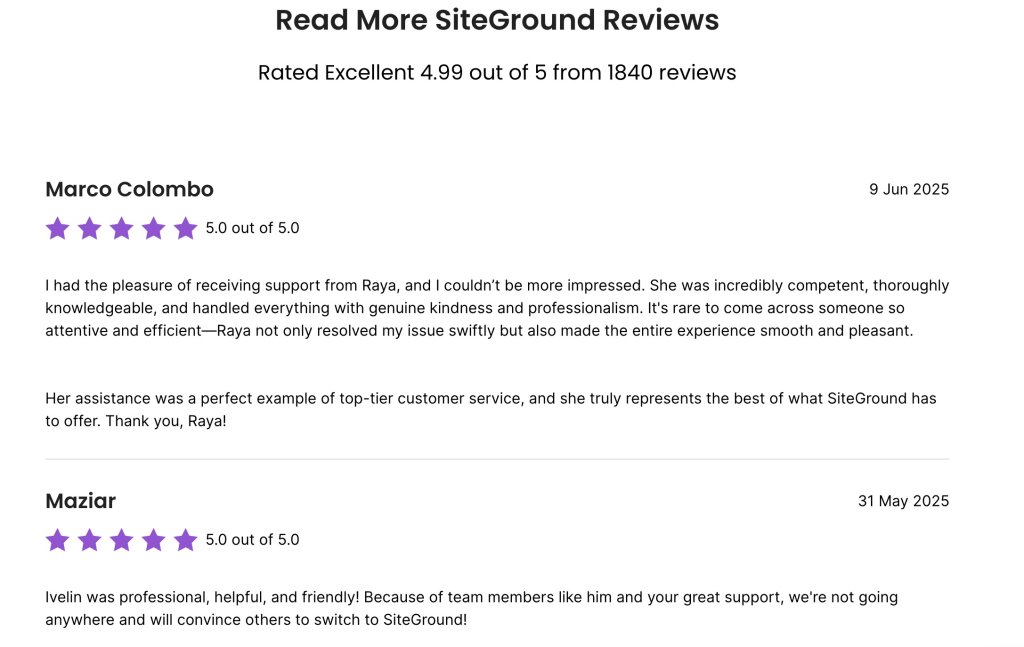
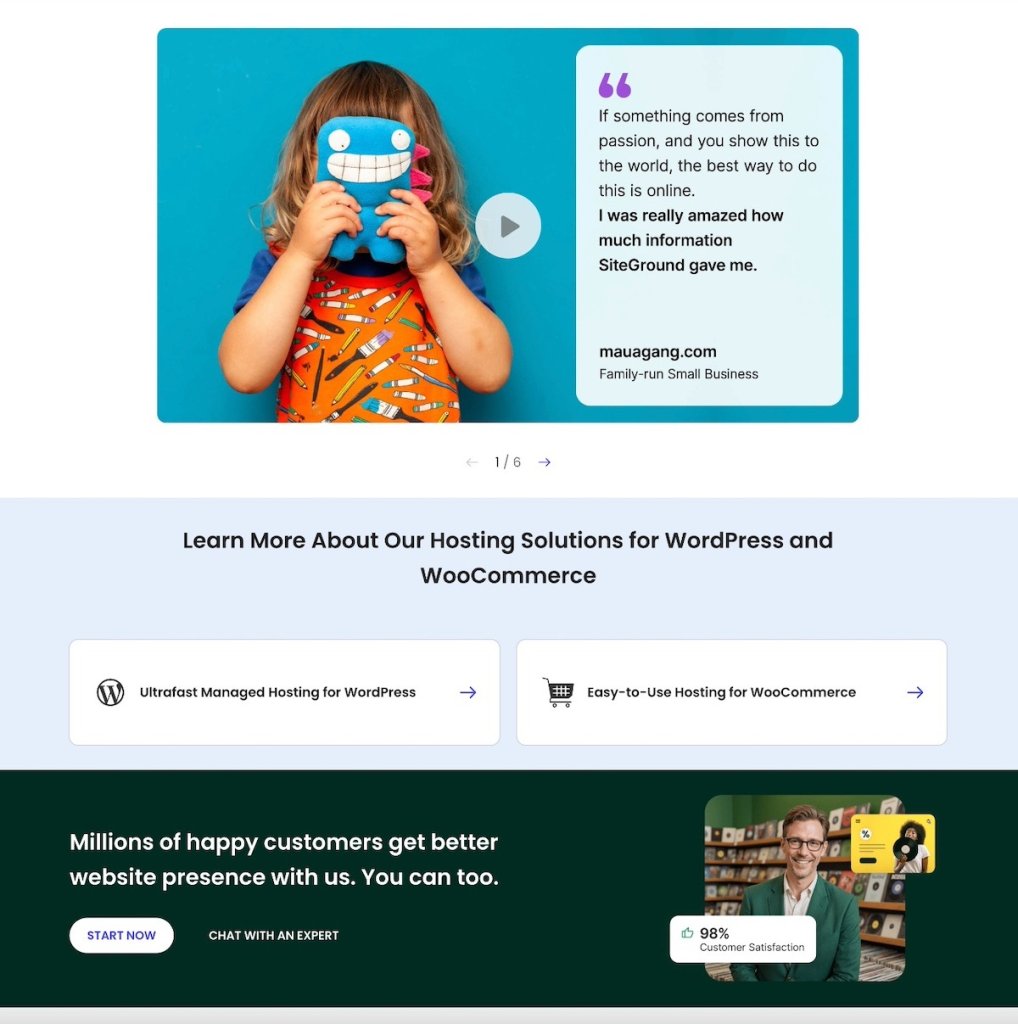
For instance, if you’re searching for a hosting plan and look at SiteGround’s reviews, it’s hard to miss all the gushing reviews about customer service and reliable performance. This kind of feedback gives you that warm, fuzzy feeling that picking SiteGround is a really smart move. When other customers are singing your praises, it can seriously help tip the decision scale in your favor.

social proof example

2. Testimonials

Happy customers make the best hype team. A few personal stories or glowing shout-outs can go a long way. Testimonials are quick to read, easy to trust, and give people a real feel for what it’s like to be on the other side of “Add to Cart.”

Reach out to your happiest customers and ask them to share a few lines about their experience. It could be over email, through a quick feedback form on your site, or even by sending out survey emails. Just be sure to get their okay to share those testimonials publicly, especially if you’re using their names.
Once you’ve got those gold nuggets, show them off on your homepage or create a dedicated testimonial page. It’s a great way to win over new customers and keep the buzz going. When people see real stories from real customers, it builds instant trust. Positive vibes are contagious—reading how others loved their experience makes potential buyers feel like they’re making the right move too.

social proof example

3. Case Studies

And for those who love a deeper dive, we’ve got case studies. These detailed customer stories demonstrate how your product or service has tackled someone’s specific problems or needs. They provide comprehensive examples and insights, painting a clear picture of real-world results that highlight just how effective and valuable your brand really is.

Producing case studies is your chance to flex those creative muscles. Start by having a chat with your client, dive into their business story, and spotlight how your product came to the rescue. Share these compelling stories on your website and in your marketing materials to show off those real-world results.
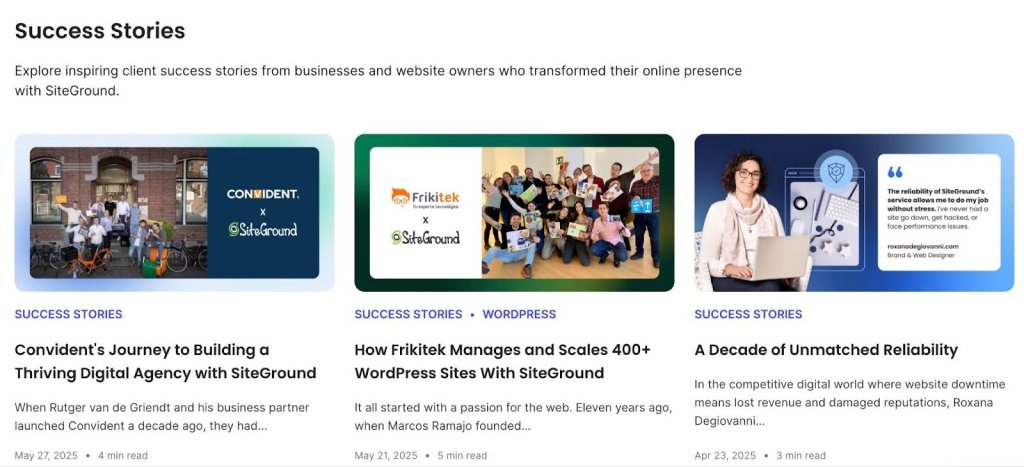
SiteGround Customer Success Stories, for instance, highlight how various businesses have improved their website performance and reliability using SiteGround’s hosting solutions. These stories don’t just demonstrate the real-world perks of what you offer—they also give potential customers a sneak peek into how others have struck gold with your help.

social proof example

4. Influencer Endorsements

Influencers, influencers—they seem to be everywhere these days, and for good reason. Teaming up with influencers is not just a hot trend; it’s a fantastic way to promote your site. Indeed, partnering with those who vibe with your brand can bring in a loyal audience that already trusts what they say. Their followers view these endorsements as personal recommendations, which can quickly spark interest and engagement with your brand.

Start by scouting out influencers whose fans are your kind of people. Slide into their DMs with a pitch to check out or shout out your product. Then, team up to whip up some authentic, creative content that truly makes it stand out. By tapping into the trust influencers have with their followers, you’re opening up a whole new way to introduce your brand. This can lead to more people discovering your products and, with any luck, clicking that “buy” button.

social proof example

5. User-Generated Content

Photos, videos, or social media posts—content created by your customers is virtual thumbs-up. It offers a real, unfiltered look at your brand. Plus, user-generated content is one of the top SEO trends right now and helps to get your brand noticed online.

Okay, but where do you start? Start by offering fun perks like discounts, loyalty points, or a chance to win a prize when they post photos on Instagram with your catchy hashtag. Encourage them to create short TikTok videos of your product in action by hosting a fun contest with prizes for the most creative content. You can also reach out directly through email or social media, inviting them to share reviews and unboxing videos on YouTube. Remember, the goal is a win-win: they get a chance to snag a prize, and you get awesome content that shows off how much they love your stuff.

Remember, the best platform depends on your business type. For example,TikTok is great for trendy fashion or beauty products, Instagram works well for visually appealing brands, and LinkedIn is ideal for B2B services. This way, your content reaches the right people.

Next, you can embed videos and social media posts right on your website or sprinkle screenshots into your marketing materials. Share user-generated content on your own social media and tag the creators to spotlight real customer experiences. This builds a sense of community and also gives you genuine proof of customer satisfaction to jazz up your marketing.

social proof example

6. FOMO Advertising

And let’s not forget about the power of FOMO Advertising. FOMO advertising isn’t your typical social proof, but it works on a similar idea. It doesn’t show people endorsing a product directly, but it makes you feel like everyone’s already in on it, pushing you to act fast so you don’t miss out.

FOMO ads tap into that fear of missing out, nudging people to act fast. It’s all about creating that ‘I gotta have it now’ feeling. This kind of advertising works wonders because it creates a sense of urgency and exclusivity that really gets people to take action.
Use landing pages, website banners, and social media posts to spotlight those limited-time offers, exclusive deals, or low-stock alerts. Throw in phrases like “only a few left” or “limited-time offer” to crank up the urgency. Keep the buzz alive with reminder emails and push notifications to keep your customers in the loop.

social proof example

Easy Social Proof Tips to Keep in Mind

As you mix social proof into your marketing strategy and website planning, here are a few handy tips to keep in mind for collecting and showing off these awesome testimonials.

social proof tips

🎯Find out what kind of social proof makes your audience go “Wow!” and share it where they spend their time online.

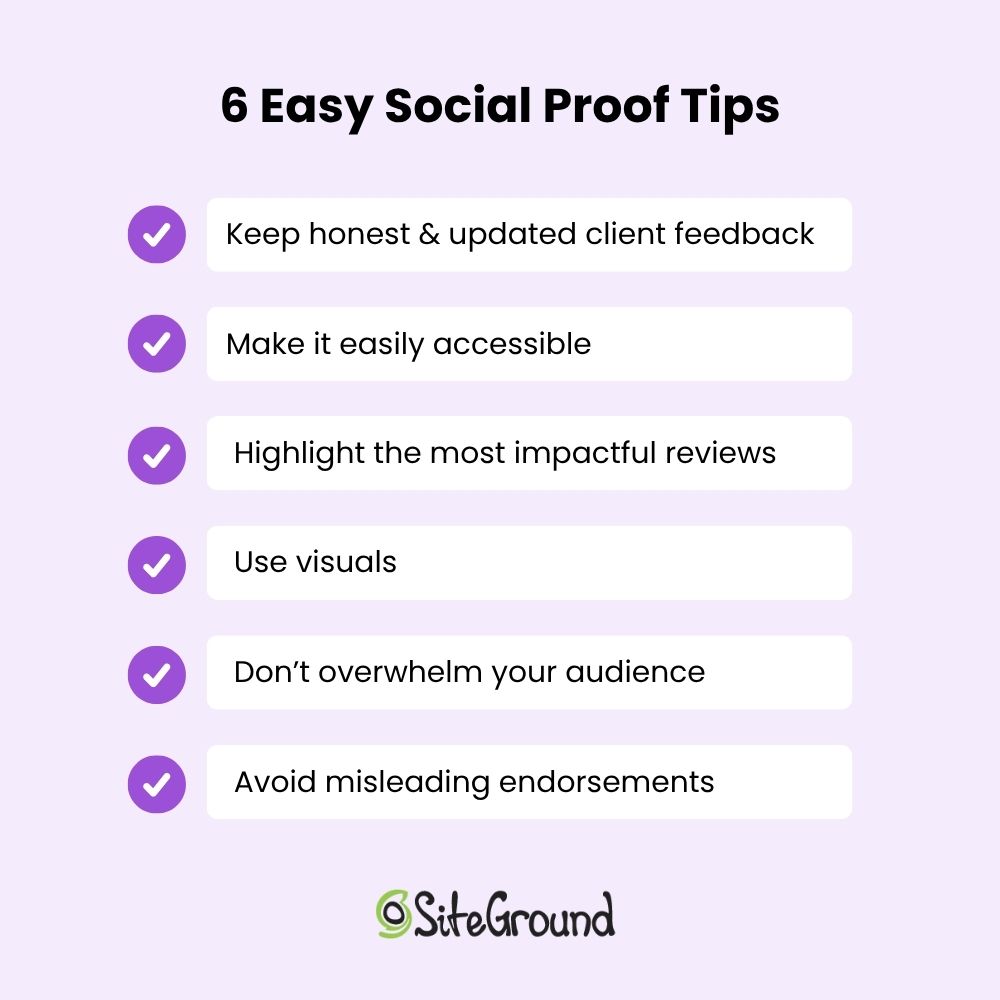
✅ Keep it real with customer feedback. Ask yourself if it’s genuine, can be verified, and is fresh to keep your credibility solid. Make it a habit to check in with recent customers for fresh testimonials, and use tools or platforms to make sure those reviews are the real deal.

🌟 Place your social proof front and center—make it easy to find and part of your overall message. Chances are, people won’t go looking for testimonials unless they’re right in their faces. Pop those review snippets or testimonials right next to your call-to-action buttons to build trust and give people that little nudge toward making a purchase when they’re ready.

social proof example

🎨 Let visuals do the talking—make your standout reviews and testimonials shine. People naturally gravitate toward eye-catching visuals, so take a page from web design tips and use bold fonts or splashy backgrounds to make those killer quotes pop. Throw in some customer photos or star ratings to grab even more attention and make your social proof impossible to miss.

social proof example

🚫 Keep it simple—don’t drown your audience in too much info, and steer clear of fake or misleading endorsements—they’ll only hurt your credibility. Focus on quality over quantity by choosing a few standout testimonials and again, refresh them occasionally to keep things relevant.

📊 Stay in the loop by tracking the feedback and engagement your ads are getting—this will clue you in on what’s hitting the mark and what might need a little tweak. Regularly dive into your analytics to see which social proof elements are making waves, and adjust your strategy based on those insights.

Ready to Add Social Proof Examples to Your Site? 

Social proof is a fantastic way to step up your marketing game and give potential customers that extra boost of confidence in choosing you. Whether it’s heartfelt reviews, genuine testimonials, success-packed case studies, or influencer shout-outs, each one has its own unique perks that can really shake up your marketing strategy. So, gear up to make your brand the go-to choice for your customers.

SiteGround’s got your back with a super easy-to-use Website Builder that’s perfect for small business owners. You can seamlessly weave in social proof examples—even if tech isn’t your thing. Explore our awesome templates and give your brand a push with fun drag-and-drop design and layouts you can totally make your own.

So, are you ready to sprinkle some social proof magic on your site and watch your brand shine? Dive into SiteGround’s Website Builder and see how easy it is!
siteground website builder

Lead Magnets That Work: Trends and Tips

Lead magnets

A lead magnet is your secret weapon for capturing attention and building meaningful connections. If you’re a small business owner or an agency eager to shine, offering something valuable in return for contact details is your ticket to attracting leads and nurturing lasting relationships.

These days, top lead magnets are all about personalization and staying ahead of the curve. Whether it’s interactive content or AI-powered experiences, we’re here to explore how you can craft lead magnets that genuinely connect with your audience.

So, gear up to revamp your marketing approach and watch your business thrive like never before!

What Is a Lead Magnet?

lead magnet definition

A lead magnet is a strategic marketing tool designed to attract potential customers by offering them something of value in exchange for their contact information, typically an email address. The primary purpose of a lead magnet is to target the right website visitors and nurture them through the customer journey, ultimately converting them into loyal customers. 

There are various types of lead magnets, such as eBooks, webinars, and free trials, each serving to address specific needs and interests of the target audience. Now that we know what a lead magnet is and the different forms it can take, let’s explore how these powerful tools work.

Do Lead Magnets Work?

Yes, lead magnets work! Suppose you’re browsing online and come across a free guide that promises to solve a problem you’ve been struggling with—wouldn’t you be tempted to download it? What lead magnets do is tap into basic human psychology, particularly the principle of reciprocity. 

When people receive something valuable for free, they often feel inclined to give something back, like their contact information. Additionally, lead magnets satisfy our natural curiosity and desire for useful information, making them hard to resist. 

However, the success of a lead magnet depends on precise targeting and relevance to the audience’s needs, which are important steps in the segmentation, targeting, and positioning process.

When you truly understand your audience and offer them solutions that fit their needs, your business can create lead magnets that grab attention, spark genuine interest, and help build strong, lasting connections.

Best Lead Magnet Ideas to Inspire You

Discover a variety of lead magnet examples that can transform your marketing strategy and captivate your audience. From informative eBooks to interactive quizzes, explore these creative ideas to find the perfect fit for your business and start attracting potential customers today.

1. eBooks, Guides, and Whitepapers

These formats allow people to learn from experts at their own pace, building trust and engagement by offering valuable insights and the opportunity for deeper understanding through comprehensive content. 

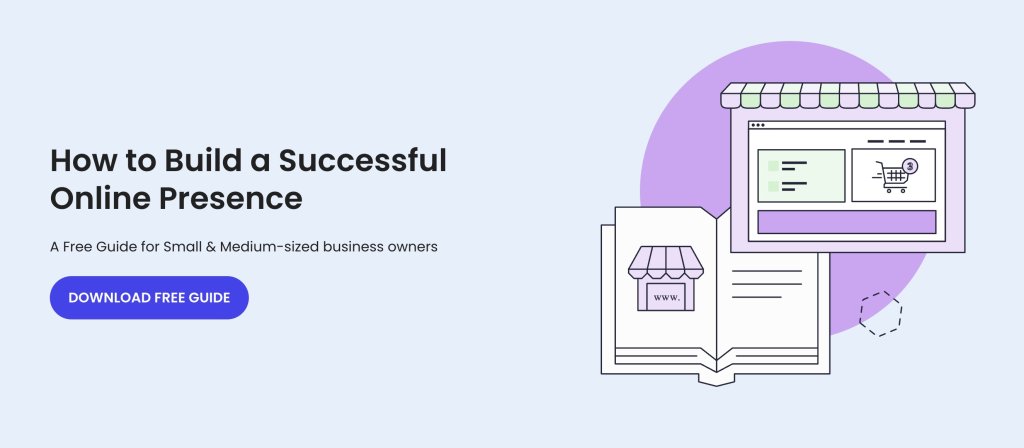
For example, a guide on how to start and grow your online presence can be incredibly handy if you own a small business. It helps you navigate the digital landscape, attract more customers, and build a strong, lasting brand.

How to Start and Grow Your Successful Online Presence

2. Webinars, Workshops, and Video Tutorials

These formats allow people to learn from experts in an interactive way, delivering meaningful information and the opportunity to ask questions on the spot. For example, our video on “How to Point a Domain to SiteGround Servers” offers step-by-step instructions, allowing viewers to follow along easily and ask questions in the comments for further clarification.

3. Checklists, Cheat Sheets, and Free Templates

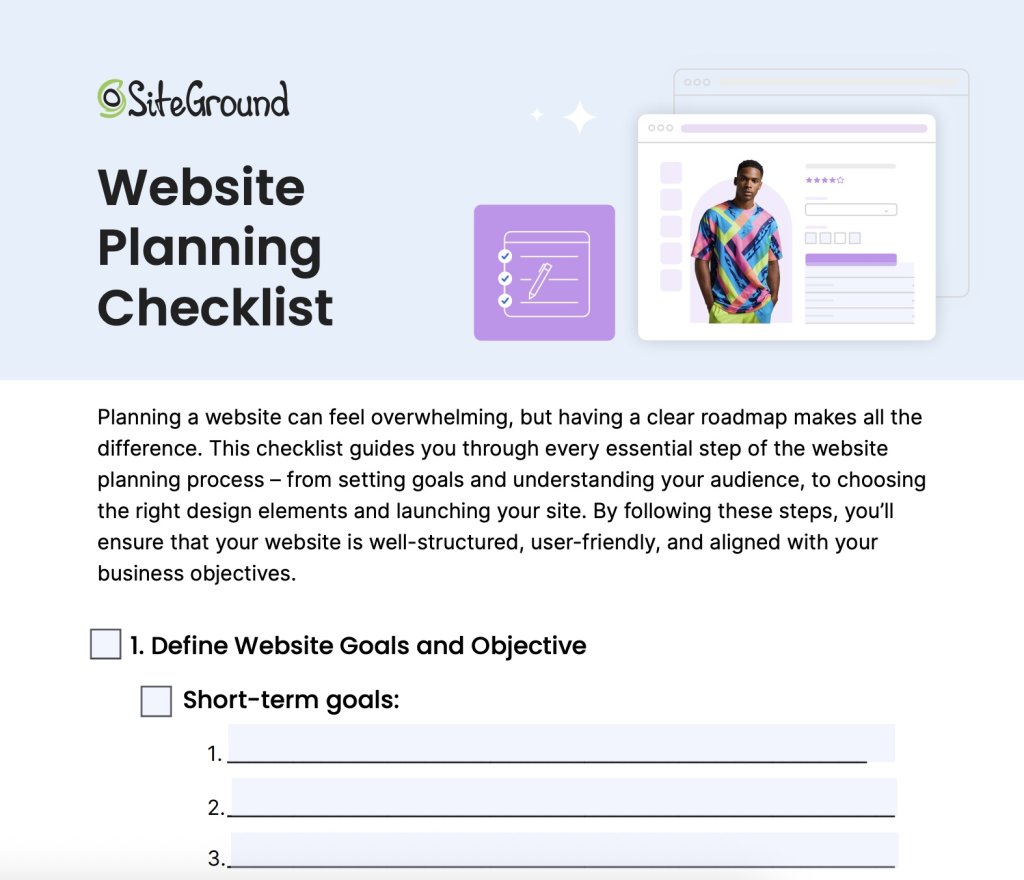
Checklists, cheat sheets, and templates offer straightforward, actionable resources that help people accomplish tasks efficiently. Take, for instance, SiteGround’s website planning checklist. This is a helpful tool for anyone looking to build a website, as it guides users through each step of the process, making it easier and less overwhelming to get started.

[18]

4. Free Trials, Product Demos, and Samples

lead magnet example

Free trials, product demos, and samples offer a risk-free way for people to experience a service or product firsthand. Consider a law firm offering a free consultation that allows potential clients to understand the firm’s expertise and build trust before committing, making it easier for them to decide whether to proceed with legal services.

5. Quizzes, Assessments, and Surveys

lead magnet example quiz

Quizzes, assessments, and surveys draw in users by offering personalized insights and gathering feedback. One example is this quiz titled “Which Bag Is Right for You?” It helps a fashion brand connect with customers by recommending products that match their style and needs, enhancing the shopping experience.

6. Discount Coupons, Special Offers, and Giveaways

lead magnet discount

Discount coupons, special offers, and giveaways provide incentives that encourage purchases and engagement. For example, a clothing store offering a limited-time 20% off coupon can attract new customers and elevate sales, creating a sense of urgency and rewarding loyal shoppers.

7. Case Studies and Success Stories

lead magnet success stories

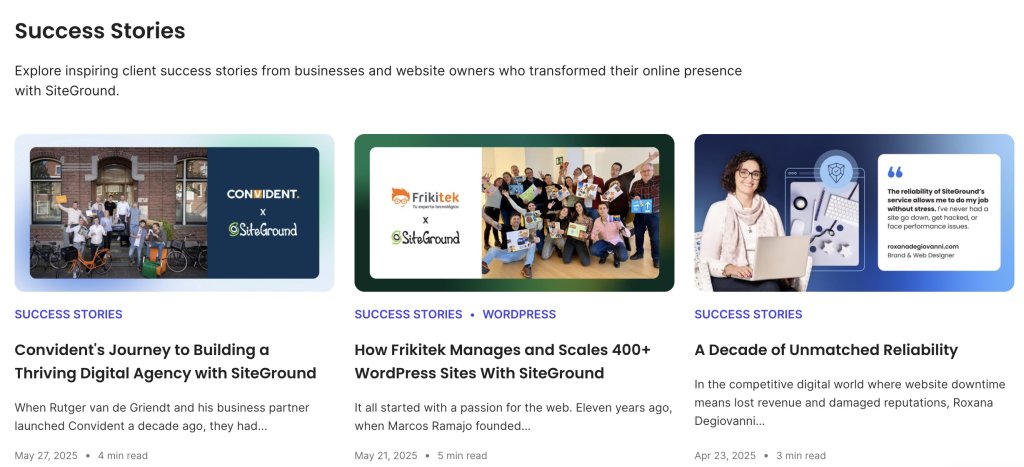
Case studies and success stories showcase real-life examples of how products or services have made a positive impact. For instance, SiteGround’s success stories highlight customer achievements using their hosting services, demonstrating reliability and effectiveness, and helping potential clients envision similar results for their own projects.

8. Email Courses and Educational Series

lead magnet course

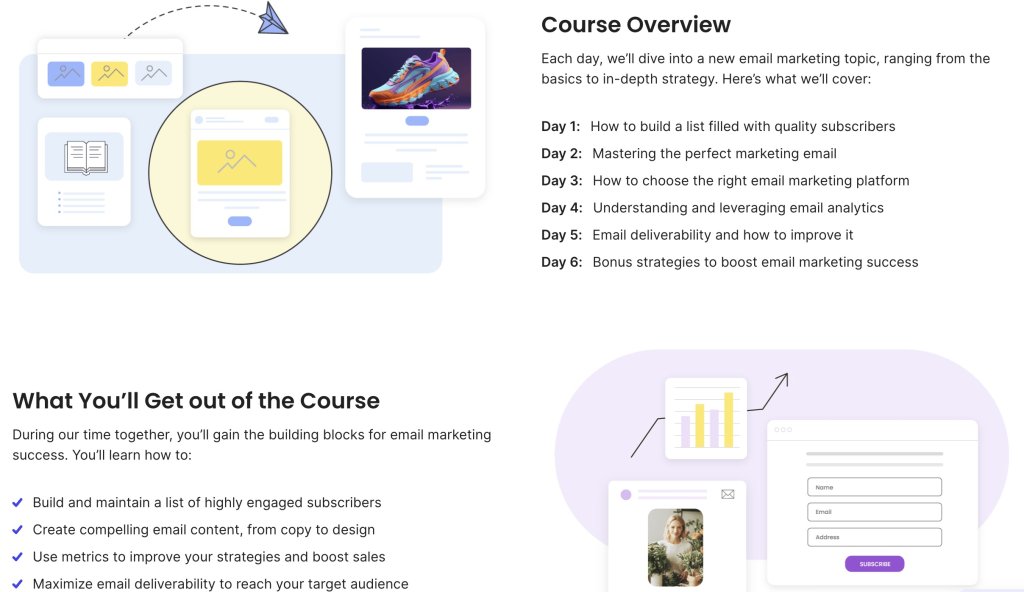
Email courses and educational series provide structured learning experiences by delivering lessons and insights directly to participants’ inboxes over a set period. This method keeps subscribers interested by providing regular, easy-to-understand content that gradually deepens their knowledge. SiteGround’s Email Marketing Course exemplifies effective engagement by delivering informative content over time, helping participants learn progressively without feeling overwhelmed.

9. Infographics and Visual Content

lead magnet map

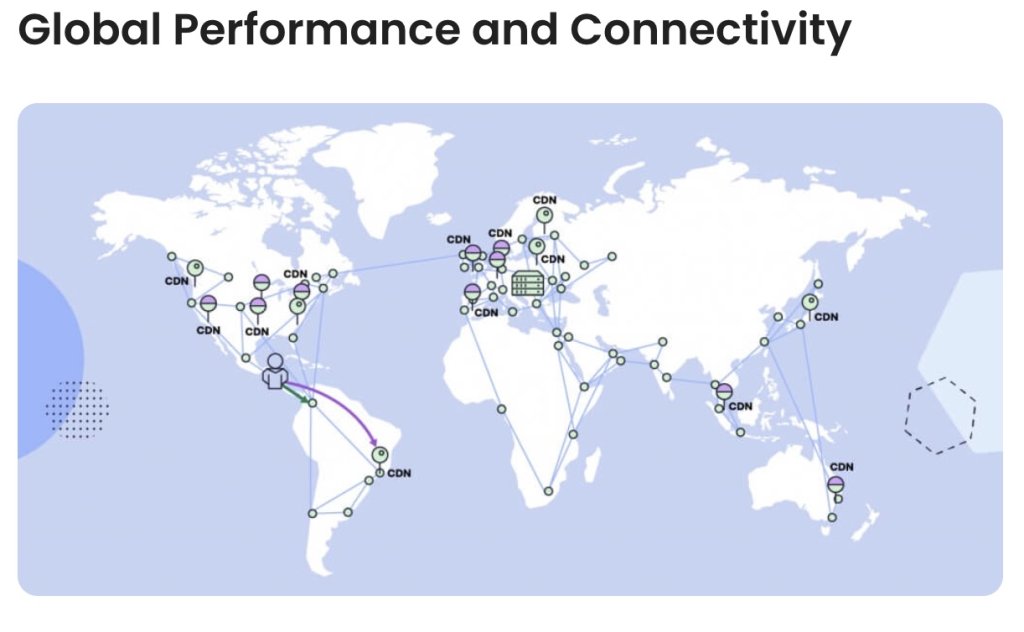
A picture is worth a thousand words. Infographics and visual content do just that, presenting information in an easily digestible and engaging format. For example, a map showing global performance and connectivity by SiteGround visually highlights network strengths, making complex data accessible and helping users quickly grasp the company’s reach and reliability.

10. Podcasts and Audio Content

lead magnet podcast

Podcasts deliver information in a convenient format, making it easy for people to absorb content while on the go, providing flexibility and accessibility. Let’s say you have a landscaping business. You could create a podcast on DIY landscaping, and through that gain leads for your not-so-DIY services.

11.     Exclusive Content and Membership Access

lead magnet membership

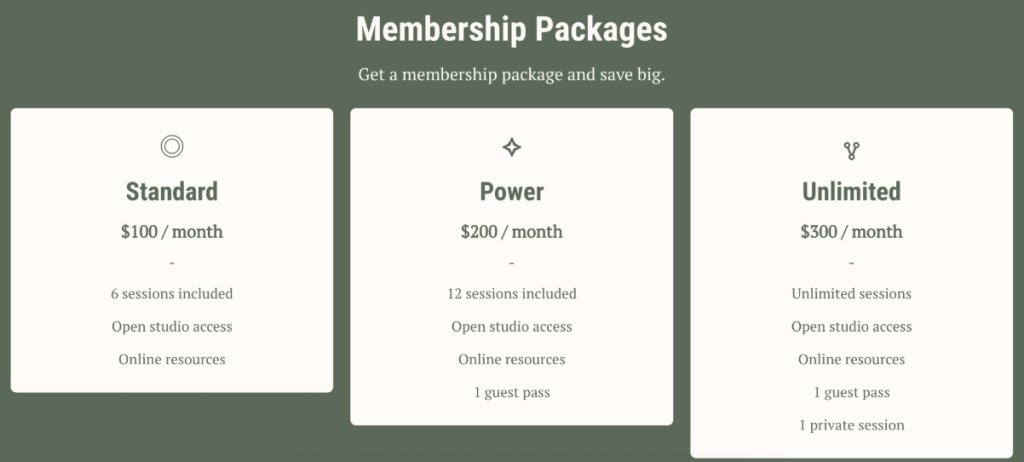
Exclusive content and membership access offer premium resources and community interaction. For example, these membership packages provide various levels of access to sessions and resources, encouraging commitment and offering tailored benefits to suit different needs and preferences.

12. Interactive Tools and Calculators

lead magnet calculator

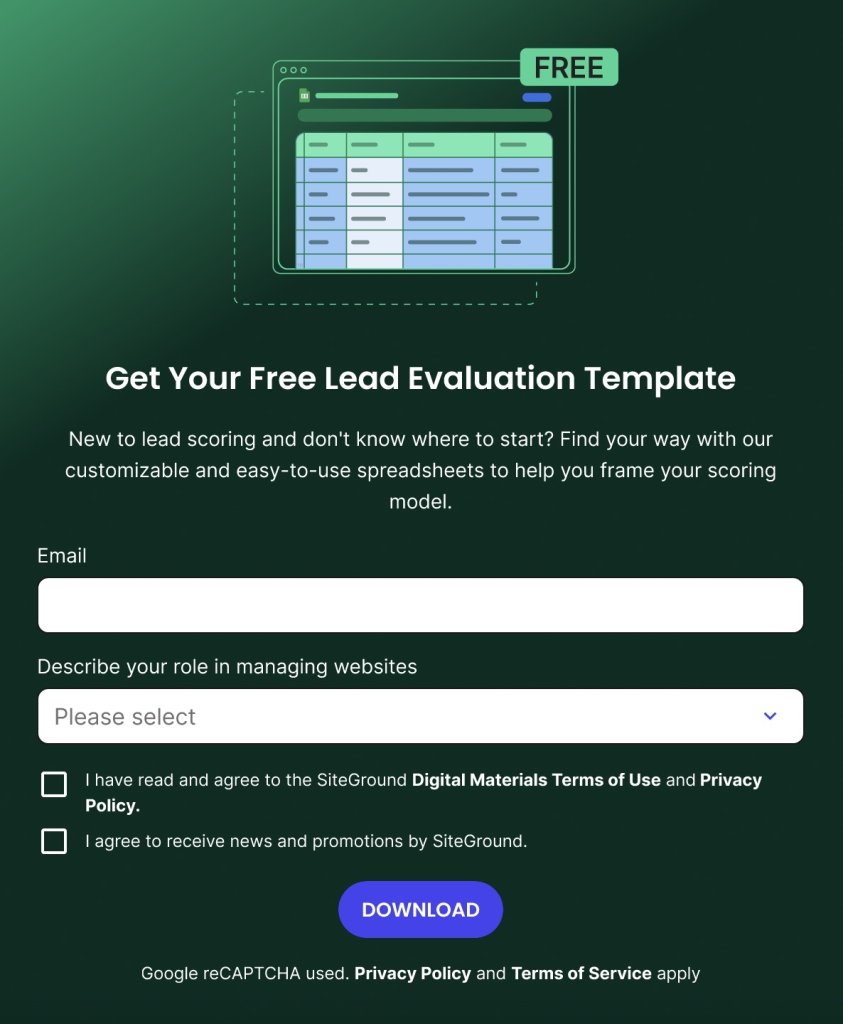
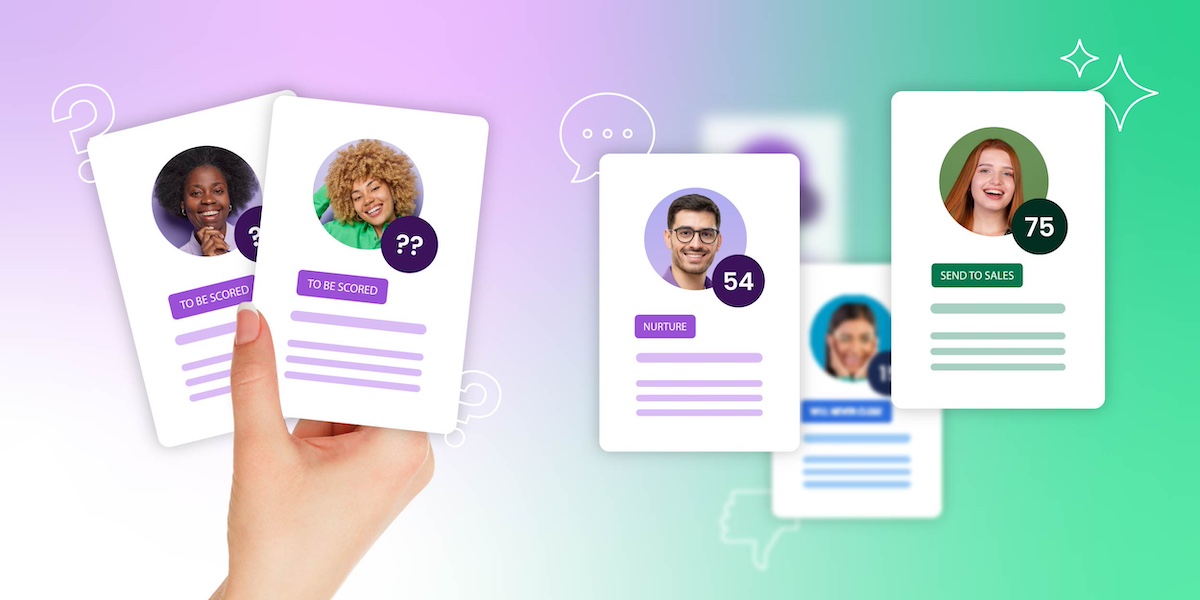
These tools provide users with customized insights, offering immediate value and practical assistance, such as helping with financial planning through personalized calculations.Take, for instance, SiteGround’s free lead evaluation tool. If you’re new to lead scoring and unsure where to begin, this tool provides customizable and easy-to-use spreadsheets to help you create your scoring model.

How to Create a Lead Magnet

Creating an effective lead magnet involves a strategic approach to understanding and engaging your audience. Learn how to create a lead magnet that really connects with people, encourages interaction, and builds lasting relationships—from identifying your audience to measuring your success. 

Just follow these key steps, and you’ll be able to create a lead magnet that grabs attention and genuinely offers value.

1. Identify Your Target Audience

Understanding who your audience is and what they need is the first step in creating an effective lead magnet. Use techniques like audience analysis and segmentation to gather insights about demographics, interests, and pain points. When you understand your audience deeply, you can craft lead magnets that directly address their unique challenges and desires, making them more attractive and relevant.

2. Define Your Unique Value Proposition

Your lead magnet should offer something unique that sets it apart from others. Craft a compelling value proposition that clearly communicates the benefits your audience will receive. Focus on what makes your offering special and why it’s worth their attention. A strong value proposition will entice potential customers to engage with your lead magnet.

3. Choose the Right Type of Lead Magnet

Selecting the appropriate type of lead magnet is crucial for meeting your audience’s needs and preferences. Consider what format will best deliver the value you’re offering, whether it’s an eBook, webinar, checklist, or something else. Matching the lead magnet type with what your audience finds useful and engaging will increase its effectiveness.

4. Create Engaging and Valuable Content

Your lead magnet’s content should be engaging and valuable to your audience. Focus on delivering high-quality information or resources that address their needs or solve their problems. Use clear, concise language and a visually appealing design to make your lead magnet easy to consume and share.

5. Promote Your Lead Magnet

Once your lead magnet is ready, it’s time to get it in front of your audience. Utilize various effective promotion and distribution strategies, such as social media, promotional emails, and partnerships. Make sure to highlight the value proposition and benefits to encourage people to take action and engage with your lead magnet.

6. Measure and Optimize

To ensure your lead magnet’s success, track key digital marketing metrics such as conversion rates, engagement, and feedback. Use this data to identify areas for improvement and optimize your lead magnet’s performance. Continuously refining your approach based on insights will help you create even more effective lead magnets in the future.

Emerging Trends in Lead Magnets

To stay in the game and keep your marketing fresh, you need to be on top of the latest lead magnet trends. As consumer preferences evolve, interactive content, AI-driven personalization, and sustainability-focused offers are becoming go-to strategies. Let’s explore how these creative approaches can grab your audience’s attention and match your brand with their values, making sure your marketing stays fresh and meaningful.

Interactive Content

Interactive lead magnets are gaining popularity, as they engage users in a more dynamic and personalized way. These can include quizzes, assessments, and interactive infographics that not only share meaningful knowledge but also make the experience enjoyable and memorable. 

For example, a fitness brand might offer an interactive workout planner that adapts exercises to individual fitness levels and goals, encouraging users to connect more deeply with the brand.

AI-Driven Personalization

It seems like everyone is talking about AI these days, and for good reason! Artificial intelligence is shaking up lead magnet strategies by making it possible to create highly personalized experiences.

AI can analyze user data to deliver personalized content that connects with individual preferences and needs. For instance, an online retailer could use AI to recommend personalized product guides based on a customer’s browsing history. These techniques make it more likely that people will take action because they provide solutions that are spot-on and right when you need them.

Sustainability-Focused Offers

As consumers become more environmentally conscious, sustainability-focused lead magnets are gaining traction. These lead magnets highlight eco-friendly practices or offer sustainable products and services. 

A company might provide a guide on reducing carbon footprints or offer a free sample of a sustainable product, appealing to environmentally aware customers and aligning the brand with values that are important to the audience.

The Future of Lead Magnets

Looking ahead, it’s clear that technology and personalization are going to shape the future for lead magnets. With everything we’ve discussed about the latest trends, it’s no surprise that AI and interactive content are paving the way for lead magnets to become even more tailored and engaging. 

These tools are set to offer experiences that genuinely connect with each individual, making your marketing efforts more impactful than ever. This shift won’t just make lead magnets work better; it’ll also help businesses connect more closely with their audiences.

Lead magnets are definitely still key—they’re great for bringing in leads and building solid customer relationships. As the market shifts, it’s important to try out new strategies and stay adaptable to keep your competitive edge.

To create the perfect lead magnets, take advantage of SiteGround’s various templates that make the process a breeze. Try it today and see how easy it is to craft engaging content that truly connects with your audience!

Case Study Examples and Proven Strategies

case studies siteground

People connect through stories — and case studies are one of the best ways to tell yours. They give potential clients a window into your process, your results, and the value you bring to the table.

In this article, we delve into the significance of case studies and offer proven strategies for crafting impactful narratives. 

Examining different types of case studies and learning best practices can provide you with valuable insights to improve your business strategies and craft inspiring success stories.

What is a Case Study?

what is a case study

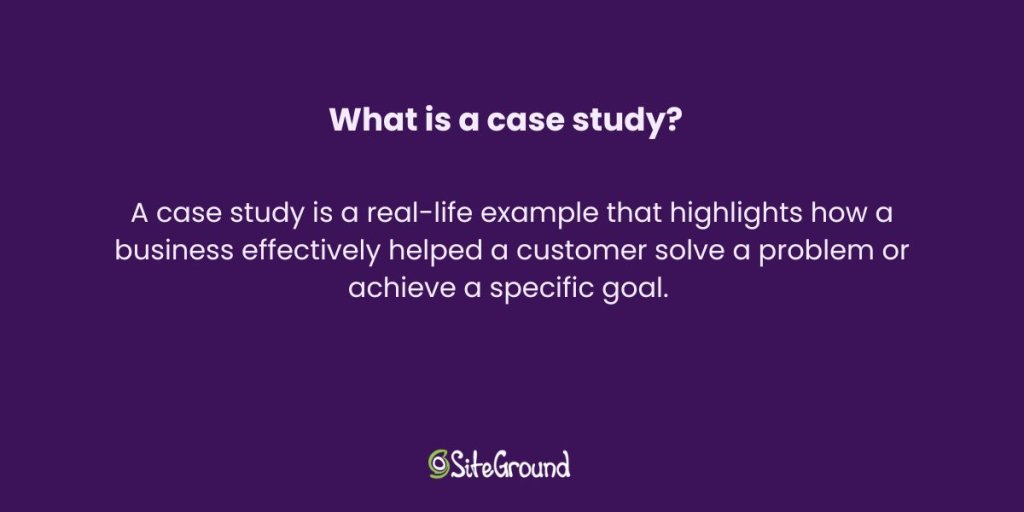
A case study is a real-life example that highlights how a business effectively helped a customer solve a problem or achieve a specific goal. It gives you a clear picture of the challenge tackled, the solution put in place, and the measurable results and benefits that came out of it. Why is this important? It helps potential customers see just how effective the business’s offerings can be.

If you’ve come across terms like “impact report,” “success story,” or “business analysis,” you’re essentially looking at different types of case studies. These labels each shine a light on different aspects of the customer experience—whether it’s the results achieved, the strategic insights gained, or the overall impact of a particular initiative.

So, let’s talk about the four main types of case studies: Descriptive, Explanatory, Exploratory, and Intrinsic. Each one has its own unique purpose, whether it’s detailing specific situations, examining causes and effects, exploring new questions, or focusing on unique cases. Stick around as we explore each of these types in the next section!

What are the Four Types of Case Studies? + Best Examples

Understanding the different types of case studies allows you to choose the right approach for your goals—that could be exploring a new topic, explaining a process, describing a situation, or focusing on a unique scenario. While these categories can sometimes overlap, knowing the distinctions helps clarify your research strategy. In this section, we’ll introduce the four main types of case studies and give examples to show how they’re used. 

1. Exploratory Case Studies

Exploratory case studies help identify key questions and discover ways to improve different parts of a business. They gather initial data to understand how people behave and what they prefer. These studies look into new topics and help organizations tackle complex problems. This approach gets you ready to explore how to improve your processes, systems, and overall experience.

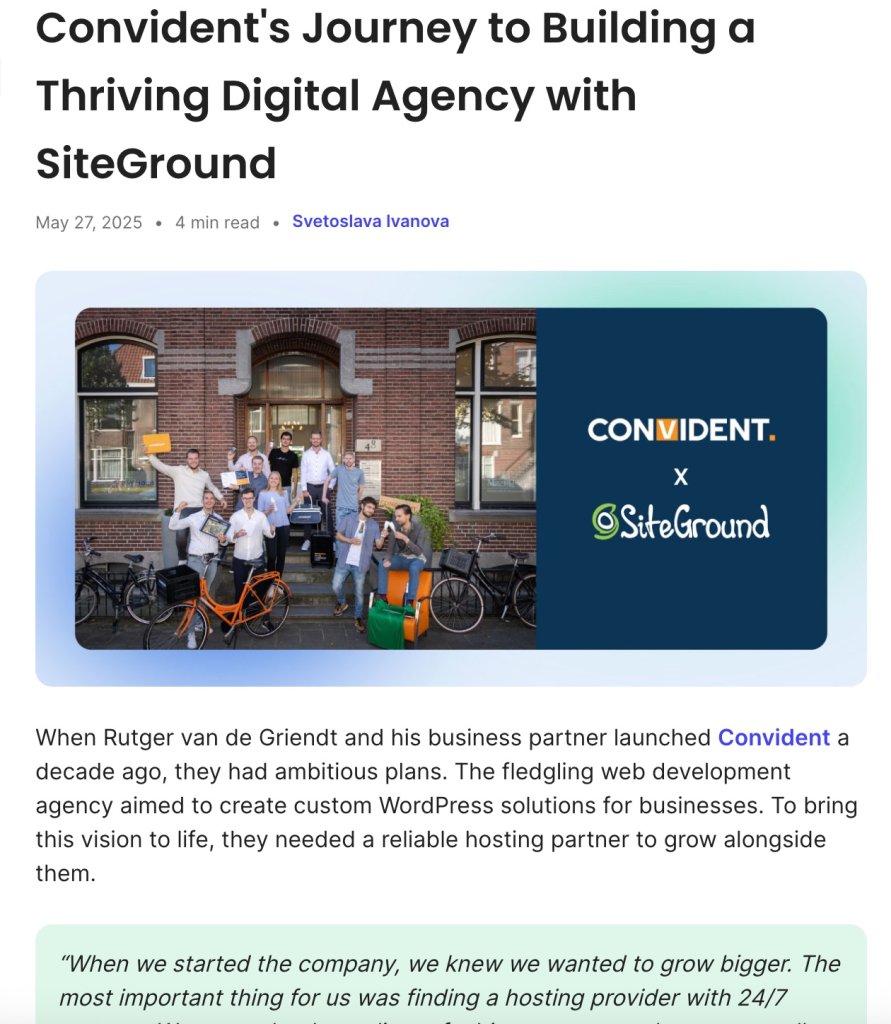
Case Study Example Convident

Let’s take a look at Convident’s journey with SiteGround, which is a fantastic example of an exploratory case study. This one examines the early steps and decisions that paved the way for the agency’s success. It zooms in on the key questions and challenges they faced when picking a hosting partner, showing why reliable support and standardized operations were so crucial. Through this study, you’ll see how Convident tackled big issues like scalability, efficiency, and building client trust, revealing the nuts and bolts of how they made it all work.

This exploratory case study demonstrates how smart choices and strategic partnerships can shape a small business’s journey. It’s a great resource for agencies looking to optimize and grow sustainably. Convident’s story highlights how these key decisions can make all the difference.

2. Descriptive Case Studies

Unlike exploratory studies, which are more open-ended, descriptive case studies provide a detailed account of a specific subject or phenomenon in its real-life context. They really get into the nitty-gritty, capturing all the details and unique aspects of the subject. These studies paint a clear picture of the situation, setting the stage for further analysis. As we look closer, they give us the context we need to understand how different factors are connected.

Descriptive Case Study example

Let’s explore Roxana Degiovanni’s journey with SiteGround, a perfect example of a descriptive case study. It details how she found a reliable hosting provider that revolutionized her business operations. As a brand and web designer, Roxana faced technical hurdles until she stumbled upon SiteGround at a WordCamp event. 

The study highlights how features like 1-click WordPress installation and strong security were just what she needed. The focus on reliability and performance enabled her to improve client satisfaction and propel business growth.

This case study offers a clear look at the benefits of SiteGround’s hosting solutions, making it a valuable resource for other creative professionals looking to upgrade their workflows and improve client outcomes.

3. Explanatory Case Studies

Explanatory case studies take things a step further than descriptive ones by examining the cause-and-effect dynamics of a specific event or outcome. They’re all about uncovering the reasons and mechanisms behind the results. 

While descriptive studies lay out the situation, explanatory ones look closer, aiming to give you insights into what makes everything tick.

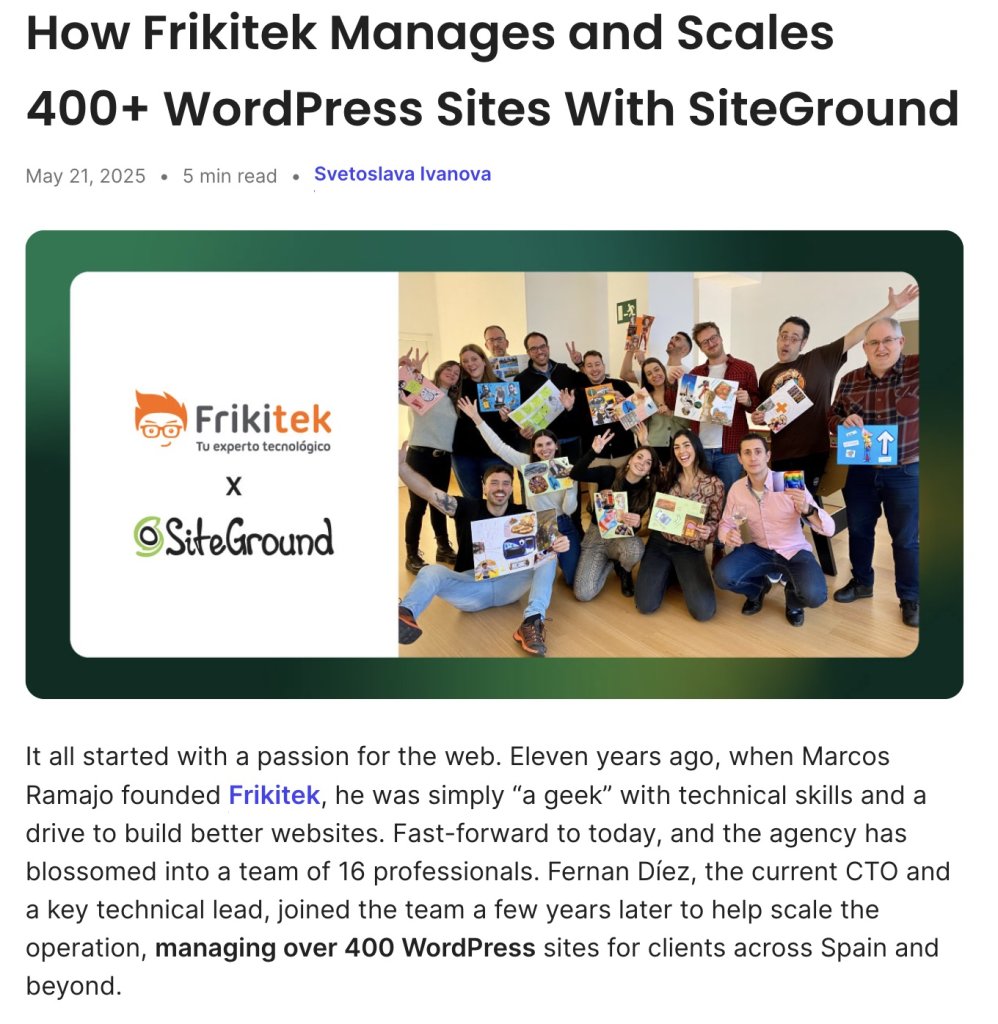
Explanatory case study example

The case study of Frikitek’s experience with SiteGround is a standout example of an explanatory case study. This story shows how Frikitek, a web development agency, tackled the challenge of managing over 400 WordPress sites by switching to SiteGround’s hosting services. 

The case study highlights their need for better performance, security, and scalability. With SiteGround’s resource isolation, security infrastructure, and automation tools, Frikitek’s operations saw significant improvements. 

This study really shows how adopting SiteGround’s services made a big difference by tackling specific challenges. If you’re an agency looking to make similar improvements, this resource can be incredibly helpful.

4. Intrinsic Case Studies

Finally, intrinsic case studies stand apart by focusing on a specific case, rather than as a representative of other cases. They are all about those unique or unusual cases that really catch a researcher’s eye because of their distinct characteristics. They explore these one-of-a-kind situations, offering specific insights that might not apply to every situation but are fascinating and valuable on their own.

Case study example

Jonathan Sophie’s experience with SiteGround demonstrates an intrinsic case study example in action. What makes this case so ideal is how it explores his unique path, highlighting the specific challenges and triumphs he encountered as a designer. It focuses on his personal growth and how SiteGround’s services helped him manage creative projects and overcome technical hurdles. 

The study shows how SiteGround supported Jonathan’s work and sheds light on his specific challenges and successes. This case is particularly insightful because it takes a close look at a special situation, providing lessons that, while specific, can inspire others facing similar challenges.

Instrumental Case Studies

In addition to the four main types, there are several other common case study approaches that serve different research goals and needs.

Let’s explore instrumental case studies, which offer a different angle compared to the main types we’ve talked about. These studies use a specific case to examine a bigger issue or fine-tune a theoretical framework. Unlike intrinsic case studies that focus on what makes a particular case unique, instrumental studies use the case to get a better grasp of a larger phenomenon. 

Looking at a specific instance helps researchers find lessons with wider impact. This approach makes instrumental case studies incredibly valuable for developing theories and understanding how individual cases relate to larger trends.

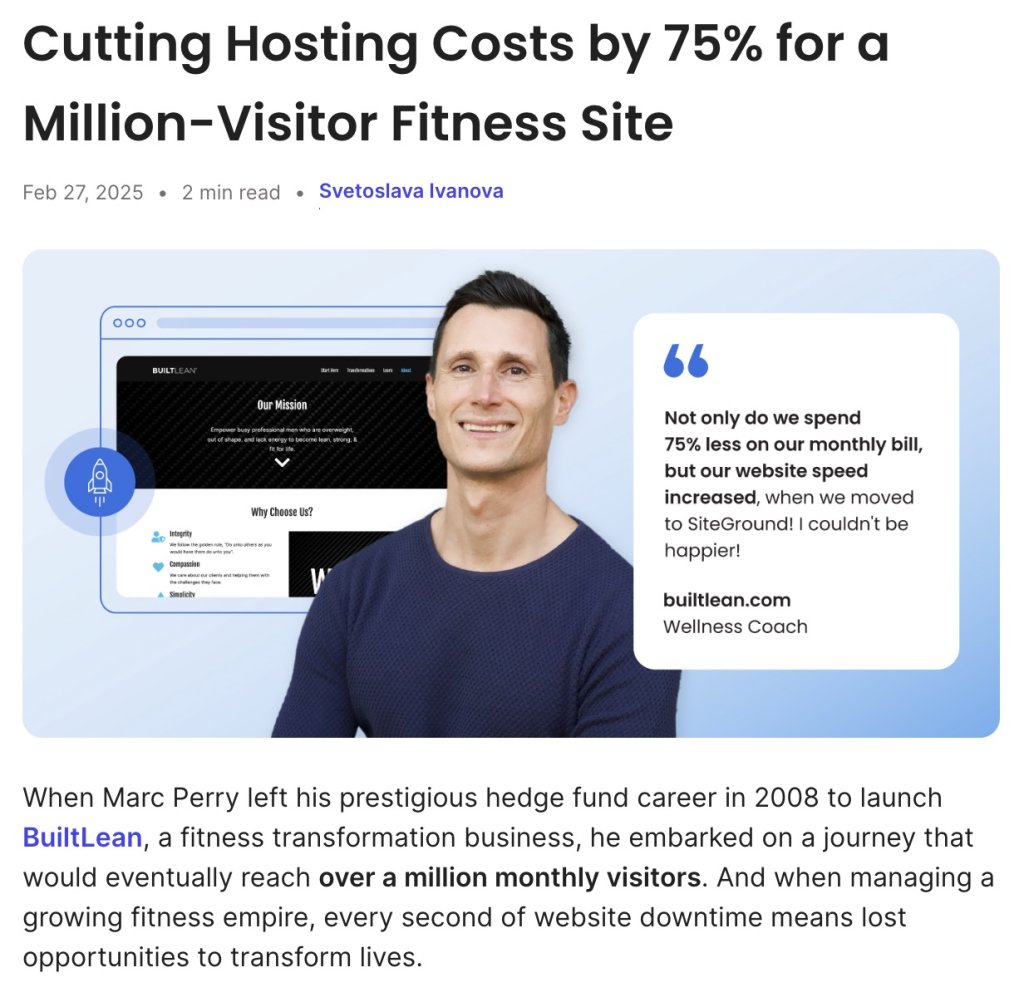
case study example builtlean

The story about Marc Perry and his fitness site, BuiltLean, serves as an instrumental case study. Marc’s story is all about how SiteGround’s hosting services helped him slash costs while managing a huge amount of web traffic. 

What makes this example so relatable is how it highlights the real-world benefits of cost-efficiency and scalability, offering practical tips on how to optimize your hosting expenses if your business has big online audiences. You’ll find valuable lessons here about discovering cost-effective solutions that truly make a difference. It’s a great reminder of how the right hosting choice can help you grow without breaking the bank.

Collective Case Studies

Next, we have collective case studies, which focus on examining a group of cases, either simultaneously or one after another. This method allows researchers to compare and contrast different situations to identify patterns and differences. 

When you look at multiple cases, you get a fuller picture of what’s going on, revealing details that might be missed if you only focused on one case. This method is especially helpful for analyzing complex issues that can show up in different ways depending on the situation.

collective case study example

Let’s take a look at the stories of David Chastain and Holly Boothroyd, which together make for an interesting collective case study. Both are web developers who manage multiple client websites using SiteGround, and their experiences offer a rich knowledge source.

Comparing how they handle hosting for different types of websites helps us uncover patterns and best practices that are helpful for developers and agencies looking to streamline their operations. 

What makes these examples so intriguing is how they demonstrate ways to improve client satisfaction with reliable hosting solutions. Their stories provide practical, real-world examples of how effective hosting can make a big difference in managing multiple sites efficiently.

Key Elements of a Case Study Design + Template

Crafting a case study that really hits the mark takes some careful thought and attention to detail. In this section, we’ll walk through the key elements that make a case study truly engaging. We’ll look at everything from pinpointing the challenge to highlighting the results. Let’s jump in and see how to make your case study stand out!

With the right tools, adding your case studies to your website can be simple and effective. The SiteGround Website Builder is not only easy to use, but makes adding case study sections to your website effortless. Start today and make your achievements shine!

Caste study example template + key elements

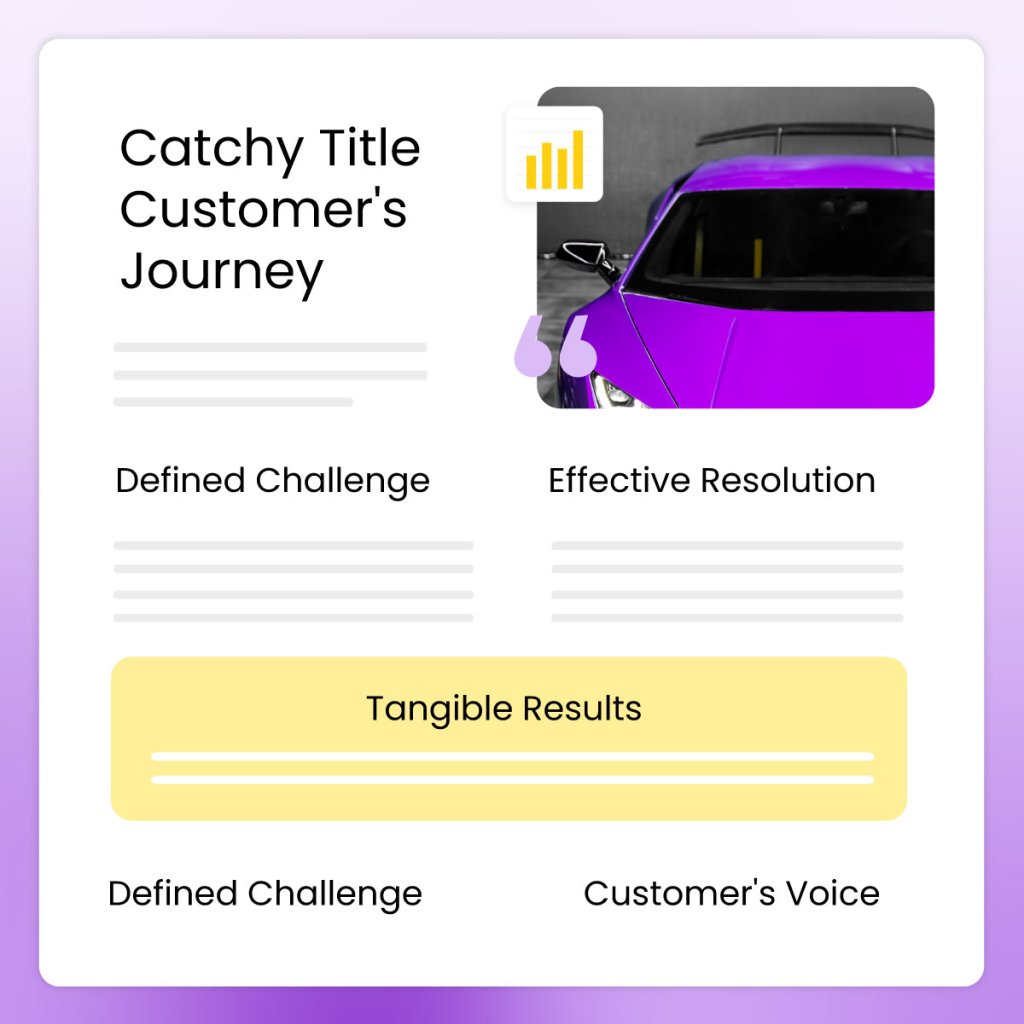
1. Cap It Off with a Great Title

Pick a title that’s short, sweet, and to the point, capturing what the case study is all about. A great title grabs attention and clearly highlights the customer’s journey and the key takeaways. 

For instance, “Transforming Business: How SiteGround Boosted Frikitek’s Efficiency” gets right to the heart of the story.

2. Start with A Defined Challenge

Kick things off by pinpointing the common problems or challenges your audience deals with. This helps set the stage for your case study, showing readers that you get where they’re coming from. 

For example, if a small café is having trouble with low afternoon traffic, make that the starting point of your story to connect with other businesses facing similar issues.

3. Tell the Story of Your Customer’s Experience

Bring the narrative to life by sharing it through the eyes of your customer. Talk about their journey, emotions, and experiences along the way, so readers can connect on a personal level. 

Picture a local artist feeling overwhelmed by managing online sales until they discovered an ecommerce platform that made everything so much easier.

4. Show Your Solution

Highlight how your product or service effectively addressed the customer’s problem. Focus on showcasing your solutions and the unique value you provide, helping potential customers envision how you can assist them, too.

For instance, explain how a cleaning service reduced a hotel’s maintenance costs by implementing eco-friendly cleaning solutions.

5. Give Your Customer a Voice

Highlight the ways your product or service tackled the customer’s issue head-on. Emphasize the unique value you offer, helping potential customers see how you can help them, too. 

Include a quote from a satisfied client who says, “Thanks to their marketing strategy, our customer inquiries have tripled!”

6. Show Some Results!

Share specific, measurable outcomes to prove how effective your solution is. Highlight the tangible results, giving potential customers a peek at the benefits they can expect from working with you. 

For instance, illustrate how a bakery boosted its weekly sales by 25% after rolling out a new loyalty program.

7. Engage Readers Visually

Incorporate visual elements like photos, diagrams, infographics, or videos to make your case study more engaging and easier to understand. These visuals can break down complex topics and help create a stronger emotional connection with your audience. 

For example, show before-and-after photos of a renovated kitchen to highlight the amazing transformation a home improvement company achieved.

How to Write a Case Study: Dos and Don’ts

Once you know what the key elements of a case study are, it’s important to focus on best practices to ensure your case study is both compelling and informative. 

Here’s a quick rundown of dos and don’ts for crafting a story that connects with your audience and highlights the benefits of your solutions.

✅ Dos:

  • Thoroughly research to fully understand the client’s problem and pain points, making sure you have a clear picture of their situation.
  • Set clear goals to shape your story, keeping in mind the client’s challenges and what they hope to achieve.
  • Back up your claims with solid data to show credibility, demonstrating how your solution tackled the client’s issues and achieved results.

❌ Don’ts:

  • Don’t let bias or oversimplification creep in, as they can make your story feel less genuine and overlook the complexity of the client’s situation.
  • Don’t use technical jargon that might confuse readers; keep your content simple and relatable to help them connect with the client’s challenges and solutions.
  • Don’t lose sight of your target audience; ensure your content focuses on the client’s specific issues and highlights how your solution offers real, tangible benefits.

Wrap-Up: Mastering Case Studies Examples

We’ve covered the key ingredients for crafting effective case studies, like pinpointing challenges, sharing results, and using best practices such as engaging storytelling and solid data analysis.

Understanding and utilizing case studies effectively can significantly improve your ability to communicate value. Now, it’s time to put what you’ve learnt into action. 

Start creating impactful case studies today and watch your audience engagement soar!

SiteGround Website Builder

Master STP Marketing to Grow Your Business

STP marketing

Ever wonder how some brands just seem to “get” their customers? The secret is STP marketing—Segmentation, Targeting, and Positioning. Crafting campaigns that genuinely connect starts with recognizing the distinct characteristics and preferences of various audience segments.

As competition intensifies, mastering the art of reaching your audience is key to standing out and making a lasting impression. Ready to see your brand shine? Let’s dive into how the STP marketing model can make it happen!

What is STP Marketing?

what is STP marketing

Segmentation, Targeting, and Positioning (STP) is a strategic marketing model that involves segmenting the market, targeting specific customer groups, and positioning your product or service to effectively meet those groups’ needs.

This marketing process includes selecting market segments that best align with your brand’s objectives and positioning your brand to make those specific consumer groups feel understood and valued.

The concept of STP marketing has evolved as consumers become more complicated and tech-savvy. Understanding the STP meaning in marketing equips you with a strategic advantage, enabling your brand to cut through the noise and make your brand actually matter to the people who count. 

The Importance and Benefits of STP Marketing

One-size-fits-all solutions no longer cut it; STP marketing is a key strategy for businesses looking to meet the varied needs of their customers. A more personalized touch attracts new customers and strengthens brand loyalty, and ensures your business remains a trusted choice in a competitive market. 

Now, let’s explore the core components of STP marketing and discover how they can transform your small business marketing efforts.

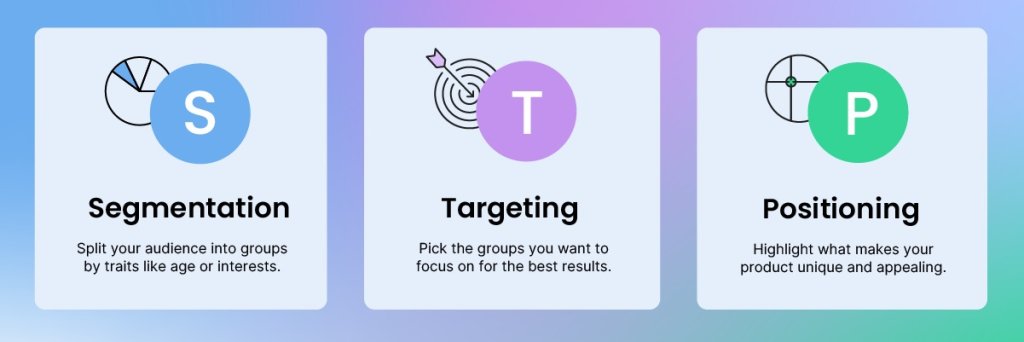
  • Segmentation, or dividing the broad market into smaller, more defined segments, allows companies to fit their marketing strategies to address the specific needs and preferences of different customer groups. This approach increases the relevance and impact of marketing activities, leading to better engagement and satisfaction.
  • Targeting the most attractive segments allows businesses to focus their resources on areas with the highest potential for profitability and growth. This strategy ensures that marketing messages resonate with the intended audience, improving the efficiency and effectiveness of campaigns.
  • Positioning is important for establishing a strong brand presence in the minds of consumers. With clear communication about what makes the brand unique and valuable, businesses can differentiate themselves from competitors. A well-executed positioning strategy ensures that the brand occupies a distinct and memorable place in the market, building customer loyalty and driving long-term success.

Use STP Marketing in Your Strategy in 5 Simple Steps

Implementing STP marketing involves a series of steps that enhance market understanding and optimize marketing efforts. These steps make certain that your strategies are precisely adjusted to meet the needs and preferences of your target audience. Here’s how to effectively incorporate STP into your approach:

STP marketing

1. Conduct a Thorough Market Analysis

To effectively implement STP in your strategy, gather data from various sources such as CRM systems, social media analytics, surveys, and market research reports. Collect detailed insights such as impressions, engagement, purchase history, customer preferences, and other behavioral patterns.

These insights can reveal which products customers are interested in, how often they make purchases, and the best times and channels to reach them. For example, you might discover that a significant portion of your audience engages more with email marketing on weekends, indicating a preference for receiving communications during this time. 

This insight lets you tweak your campaign schedules to match when your customers are most active.

2. Segment Your Market

To segment your market, begin by choosing criteria like demographics and behaviors. Then, create customer personas to understand their needs. 

For instance, SiteGround customer Samantha Remer targets fashion-conscious women, specifically over 40, seeking perfectly fitting jeans. She shares that focusing on these specific groups allows Samantha to tailor her marketing strategies to effectively meet their unique needs.

3. Select Target Segments

Selecting target segments requires an evaluation of each segment’s attractiveness. Consider factors such as segment size, growth potential, competitive intensity, and how well each segment aligns with your business objectives. 

For example, a company making plant-based protein snacks might target health-conscious millennials in cities. This segment is large and growing quickly as more people choose healthy foods. It also aligns with the company’s sustainability goals and has moderate competition.

Once you understand your audience, decide whether to target a broad group or a more specific niche. A broad targeting approach is useful when your product or service appeals to a wide range of people, like a popular streaming service that offers something for everyone. It’s best when you have the resources to reach a large audience and want to build widespread brand awareness.

Focus on a specific group with unique needs when you have limited resources or when your product is highly specialized. For example, if you produce artisanal dog treats made from organic ingredients, focus on pet owners who prioritize health and wellness for their pets. This allows you to connect deeply with a smaller, dedicated audience.

Choosing the right approach helps ensure your marketing efforts are effective and reach the people most likely to be interested in what you offer.

4. Develop Positioning Strategies

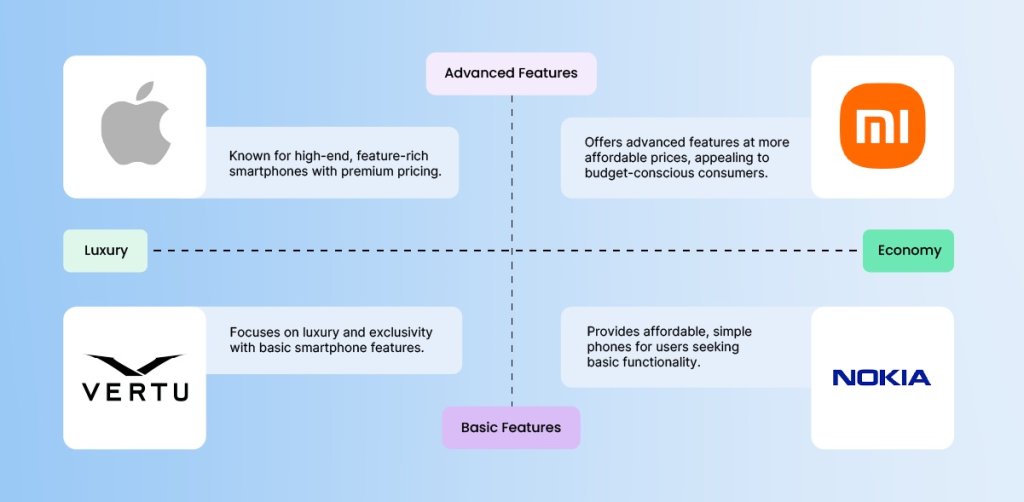
Create a clear message for each target group that highlights what makes your brand special. For example, if you’re targeting budget-conscious consumers, position your smartphone as an affordable yet feature-rich option.

Ensure your product features, pricing, availability, and advertising all support this message. For instance, offer competitive pricing and advanced features to reinforce your value proposition.

This consistency helps your brand stand out and connect with your audience, making it easier for them to see why they should choose you over competitors.

Stp marketing positioning

5. Execute, Adjust, and Improve

Kick things off by rolling out campaigns designed to match the preferences and behaviors of each segment. Create marketing campaigns that connect with these groups to maximize engagement. For example, a fitness brand could create a series of Instagram stories featuring quick workout tips and user-generated content from customers sharing their fitness journeys.

Set clear marketing performance metrics like conversion rates, average order value, and customer lifetime value to measure the success of your campaigns. Use A/B testing to continuously test different elements and optimize your campaigns for better performance and engagement. 

Gather customer feedback and stay updated on industry trends and market changes to refine your approach. For example, if analytics show a drop in mobile app usage, enhance the app’s features or user experience to re-engage users.

STP Marketing Examples

Here are some great examples of how companies cleverly use segmentation, targeting, and positioning to connect with their diverse customers and meet their needs.

Coca-Cola

Coca-Cola segments its market by demographics (age, gender, income), psychographics (lifestyle, values), and geographic regions. They also consider behavioral factors like consumption habits and brand loyalty.

The company targets specific segments with a variety of products and brands. For example, they offer Coca-Cola Classic for traditional cola lovers, Diet Coke for those seeking a sugar-free option, and Dasani for consumers looking for bottled water.

All Coca-Cola brands are positioned to meet the specific needs and preferences of their target segment. Coca-Cola Classic is positioned as a timeless and refreshing choice, while Diet Coke is marketed as a no-calorie alternative with a distinct taste. Dasani is positioned as a pure and clean hydration option.

Coca-Cola’s strategic use of segmentation, targeting, and positioning enables it to effectively address a wide range of consumer preferences and maintain a strong presence in the global beverage market.

STP MArketing Coca Cola example

Procter & Gamble

Similarly, P&G segments its market by demographics (age, income, family size), psychographics (lifestyle, values), and geographic regions.

The company focuses on specific segments with different brands and products. For example, they offer Pampers for parents with infants, Tide for households needing effective laundry solutions, and Gillette for men seeking quality grooming products.

Every P&G brand is positioned to meet the specific needs and preferences of its target segment. For instance, Pampers is positioned as a reliable and gentle choice for baby care, while Tide is positioned as a powerful and trusted laundry detergent.

STP marketing procter and gamble example

Unilever

Unilever segments its market and also consider behavioral factors like purchasing habits and brand loyalty.

The company reaches different consumer segments with a diverse portfolio of brands. For example, they target health-conscious consumers with brands like Knorr and Hellmann’s, while targeting beauty and personal care segments with brands like Dove and Axe.

Each Unilever brand is positioned to meet the specific needs and preferences of its target segment. Dove is positioned as a brand that promotes real beauty and self-esteem, appealing to consumers seeking gentle and nourishing personal care products. Axe, on the other hand, is positioned as a brand that appeals to young men, focusing on confidence and attraction.

Unilever’s approach to segmentation, targeting, and positioning allows it to successfully address a wide array of consumer needs in different markets.

STP marketing unilever example

The Future of STP Marketing

As we look to the future of STP marketing, it’s clear that technological integration will play a pivotal role. AI tools for businesses, along with machine learning and big data, are transforming how businesses segment, target, and position their products and services, making marketing efforts more precise and effective. 

At the same time, sustainability and ethics are becoming increasingly important, ensuring that segmentation and targeting are not only profitable but also responsible and in tune with what consumers value.

In wrapping up, remember the key takeaways from this article: STP marketing is essential for understanding and reaching your target audience effectively. Adopting the STP marketing model can significantly strengthen your business success. 

So, why wait? Elevate your business with STP marketing! Let SiteGround’s email marketing platform assist you in segmenting, targeting, and positioning your brand to connect with your ideal audience.

Lead Scoring Simplified: Identify Future Clients Effectively

Abstract image of lead scoring

When running your business, a key task is reeling in potential customers. But once you’ve gathered a substantial number, how do you identify the high-quality leads—the ones ready to say “yes” to your offerings?

That’s where lead scoring comes in. It helps rank leads based on their likelihood to convert, allowing your marketing and sales teams to focus on those showing genuine interest in your brand. While it sounds simple, implementing lead scoring can pose some challenges.

That’s why, in today’s article we’ll guide you through the basics of lead scoring, help you create a lead scoring system, and share insights to effectively identify and nurture high-quality leads. Plus, we’ve developed a lead evaluation template to help you establish your lead scoring model.

[38]

What Is Lead Scoring?

Lead scoring, also known as lead ranking, is a strategy used by sales and marketing teams to evaluate and prioritize leads based on their likelihood of becoming future customers. This process involves assigning point values to each lead, with the numerical value varying according to the company’s unique criteria and objectives. Some companies may choose a range from 1 to 5, 1 to 10, or even up to 100.

Lead Scoring vs. Lead Grading

Alongside lead scoring, there’s lead grading, which is often used together to enhance lead management. While both processes aim to prioritize leads, they approach it from different angles.

Here’s how they work together:

  • Lead grading: Initially, leads are graded based on their customer data, including demographic attributes like age and location, and firmographic details such as company size and industry. This grading assesses alignment with the company’s ideal customer profile (ICP), with an “A” indicating a strong match and a “D” suggesting a weaker fit.
  • Lead scoring: After grading the leads, the next step is to score them based on their behavioral data, such as downloading freebies from your website, or attending webinars. This scoring reflects their level of engagement and readiness to convert.
Lead scoring versus lead grading

By combining these approaches, you can efficiently prioritize leads that are both a good fit and highly engaged with your brand, thereby optimizing your sales and marketing efforts.
Why Is Lead Scoring Important for Your Business?

Why Is Lead Scoring Important for Your Business?

Only 25% of the leads you generate have the potential to make a purchase. Of these, approximately 79% still won’t result in sales, leaving you with just five customers out of every 100 leads generated, which can sound… discouraging, to say the least. But that’s why the lead scoring process matters. 

On one hand, it fosters sales and marketing alignment by creating a shared framework for evaluating lead quality and readiness. This allows you to spend more time on qualified leads and less on dead-end ones, ultimately increasing your conversion rate—one of the most important digital marketing metrics. 

On the other hand, customers enjoy a better experience, as lead scoring makes it easier to nurture them with relevant content and guide them more smoothly through the sales funnel, thereby minimizing your cost per lead.

How Does a Lead Scoring Model Work?

Now that you’ve got the basics down, let’s see how an example lead scoring model works.

Imagine you run an ecommerce business specializing in eco-friendly home goods. To prioritize leads effectively, you decide to implement the following scoring system:

ActionPoints Earned
Signing up for a newsletter10 points
Participating in an online workshop20 points
Browsing a pricing page30 points
Adding products to their wishlist40 points

A prospect meeting all these criteria would quickly accumulate 80 points and become a qualified lead, ready to transition from marketing to sales. In a small business without distinct teams, this means the owner or a key team member can contact these high-potential leads with personalized offers and more targeted marketing campaigns.

However, a high lead score can fall, as the process also involves deducting points for unfavorable traits and behaviors, such as the example below:

ActionPoints Deducted
Incomplete contact information-5 points
Ignoring follow-up emails-10 points
Unsubscribing from the newsletter-5 points
Negative feedback or review-15 points

Ultimately, the balance of added (80) and deducted (35) points results in a final score (45) that reflects the lead’s potential in becoming a customer. In this scoring system, a score above 70 might classify a lead as “hot,” indicating a high likelihood of conversion and warranting immediate attention. A score between 40 and 70 could be considered “medium,” suggesting moderate interest and potential for nurturing through targeted marketing efforts. Meanwhile, a score below 40 would categorize a lead as “cold,” indicating lower priority and the need for further engagement strategies to increase interest.

How to Implement Lead Scoring 

There are three ways you can implement a lead scoring system in your marketing and sales processes. However, you should view these as steps you can progress through depending on your number of leads, rather than overcomplicating things from the start. Let’s take a look, shall we?

1. Manual Lead Scoring 

Unless you’re working with a very small number of leads, manual lead scoring isn’t practical. However, for someone new to managing a lead database, it can serve as a valuable foundation for automating the process in the future.

2. Automated Lead Scoring

If you’re using some kind of marketing automation tool or CRM platform like Salesforce or HubSpot, for example, you’ve probably noticed a lead scoring feature available.

The main difference between automated and manual lead scoring is that, with automation, the software continuously applies the designated points to each attribute for every lead in real-time, which can come handy when you are dealing with a big amount of leads. This streamlines the process and ensures that scoring is always up-to-date by gathering data from various sources, such as website interactions, email engagement, social media activity, and other CRM data.

Additionally, some software platforms allow you to set a target score as a goal and trigger specific automated actions once a lead reaches that score.

3. Predictive Lead Scoring 

Predictive lead scoring leverages machine learning to analyze large datasets, identifying characteristics that differentiate low-quality leads from high-potential ones by examining patterns in both successful and unsuccessful conversions. However, there’s a caveat—you need substantial lead data for it to be effective, which makes it less suitable for newer businesses.

To build such a model, you can use built-in predictive lead scoring in tools like Salesforce Einstein and Hubspot Enterprise, or opt for no-code AI platforms—BigML and Google AutoML Tables being some of the most popular.

Be aware that because predictive models rely heavily on historical data and established trends, they excel at recognizing patterns that have been successful in the past. But this reliance can limit their ability to identify new or emerging opportunities that deviate from these patterns, potentially causing your business to miss out on innovative strategies or untapped markets. 

Therefore, it’s important to balance predictive insights with current market analysis.

Lead Scoring Best Practices

Lead scoring is not an easy process, but it’s definitely worthwhile. By following the tips below, you can effectively get your marketing efforts off the ground and start seeing more leads convert.

1. Establish Minimum Customer Criteria

To ensure your lead scoring model effectively targets the right audience, it’s essential to define the minimum criteria a lead must meet to be considered a valuable customer. Remember the lead grading we mentioned earlier? This is where it comes into play.

For instance, if you run on a B2B model, your ideal customer might need to operate within a specific industry, such as healthcare or technology, or have a minimum annual revenue threshold.

By setting these criteria, you ensure that your sales team doesn’t waste time on leads with no potential to become customers. While it might seem minor or overly specific, establishing these criteria now will save time and resources in the long run.

2. Gather Input from Real People

It’s very important that before you embark on any sort of lead scoring journey, that you have buy-in from everyone who’s involved in the purchasing process. 

Collaborate with your sales reps to gain insights on leads that were initially scored as high-quality but ultimately proved to be poor fits. Analyzing these cases can help identify any overvalued or undervalued variables in your lead scoring model.

Additionally, while your sales team might believe certain content effectively converts customers, it’s important to gather perspectives from those who experienced the sales process firsthand. Conduct customer interviews to understand what truly influenced their decision to buy from you. Hearing from both sides will provide a more comprehensive view.

3. Clear Out Inactive Leads

Effective lead scoring involves not only identifying hot leads but also managing cold ones. In this context, lead decay plays an important role by recognizing that leads can become less likely to convert into customers due to a lack of meaningful interaction or progress in the buying process.

Businesses typically establish timeframes within their CRM platforms to differentiate between hot and cold leads. Lead decay automatically reduces scores when engagement diminishes over time. Without this mechanism, databases can become cluttered with “zombie leads” that seem valuable but have long since cooled, leading to inefficient use of sales resources. Keep in mind also that the lead decay period may vary between B2B and B2C contexts, as B2B sales cycles are often longer. 

Test, Measure, and Refine Regularly

As market conditions, customer behaviors, and business objectives evolve, your lead scoring system must adapt to remain a reliable tool for identifying and prioritizing high-potential leads. That’s why coming up with scoring criteria isn‘t a one-time task but rather an ongoing process of regular testing, measurement, and refinement.

Lead scoring best practices

Common Lead Scoring Challenges

Identifying When Lead Scoring Is Essential

The necessity of lead scoring largely depends on your business operations and the volume of leads you handle each month. Here are some cases in which lead scoring might be a fit for your business:

  • If your sales cycle is relatively short and closing leads is straightforward.
  • If your lead database is limited, focusing on generating more leads may be more beneficial.
  • If your sales reps are effectively managing leads and achieving strong conversion rates, lead scoring might not be necessary. 

Determining the Right Data Points for Lead Scoring

While there is no one-size-fits-all answer to how many data points should be included in a lead scoring model, a typical range is between 10 to 20. This range allows for a balanced approach, providing enough detail to make informed decisions without overcomplicating the model.

Considering Multiple Lead Scoring Models

If your business currently targets one ideal customer profile, a single lead scoring model is sufficient. However, if you plan to diversify by introducing new product lines, exploring new markets, or targeting different customer personas, it may be beneficial to develop multiple lead scoring systems. This approach allows you to adapt and qualify various groups of leads according to their unique characteristics and needs.

Following Through on Lead Scoring

By now, you’ve probably caught on that the lead scoring process isn’t just about tallying up points like a game; it’s a savvy strategy that sales and marketing departments use to spotlight the most promising leads while ironing out any wrinkles in their lead generation and lead nurturing methods.

While lead grading and lead scoring are two different players, they make a winning team when used together. But remember, setting scoring criteria isn’t a “set it and forget it” kind of deal; it’s an ongoing adventure. Keep the lines open with your sales team and regularly review your scoring model to ensure your lead scoring efforts stay sharp and effective.

Ready to roll up your sleeves and turn this knowledge into action? Download our free Lead Evaluation Template and create a scoring model that makes sense for your business.

The 7 Most Effective Free Ways to Promote Your Website

Abstract image of promoting your website

These days, having a website is essential for businesses, entrepreneurs, and creatives alike. Fortunately, building one is easier than ever and once you’ve found the right place to host it, you’re all set to go live. But getting people to actually visit it? That’s the real challenge. With millions of sites competing for attention, simply launching your website isn’t enough—you need a strategy to promote that website. 

The good news? Attracting visitors doesn’t have to break the bank. If you’ve been wondering how to promote a website for free, the answer lies in smart, effective methods that drive traffic and boost engagement organically. Whether you’re looking to promote a new website or advertise your website to a broader audience, leveraging the right tactics can help you grow your online presence, reach your ideal audience, and turn visitors into loyal customers—all without spending a dime. The key is knowing exactly which of these tactics works best and how to implement them effectively.

In this guide, we’ll explore seven of the best ways to promote your website for free, helping you increase visibility and drive meaningful engagement.

7 Definitive Ways to Promote Your Website for Free

1. Increase Visibility with SEO

In 2025, we can’t talk about achieving online presence success without mentioning search engine optimization (SEO). And as we look to the future, SEO will continue to evolve, playing a crucial role in optimizing strategies and enhancing user experiences, thanks to the impact of AI. If you’re looking for ways to advertise a website for free, SEO is one of the most powerful tools at your disposal. 

SEO is the process of optimizing your website to rank higher on Google and other search engines, making it easier for people to find your content organically—without paying for ads. Unlike paid advertising, which stops driving traffic once you stop paying, SEO delivers long-term benefits by helping you rank higher naturally. This makes it one of the most cost-effective ways to promote your website for free. 

Remember, the key to SEO success isn’t how much you spend, but the quality and relevance of your content. A well-executed SEO strategy can drive consistent, long-term traffic to your digital doorstep and significantly improve your online presence.

Here’s how to strengthen your SEO and up your website’s visibility:

  • Create High-Quality, Relevant Content – At the heart of effective SEO lies high-quality, relevant content. Focus on solving your audience’s problems and answering their questions. Blog posts, guides, and FAQs that address specific pain points tend to rank higher and help you promote your website effectively.
  • Use the Right Keywords – Research and strategically place relevant keywords and phrases throughout your website, including in titles, meta descriptions, headings, and image alt text. Tools like Ahrefs’ Free Keyword Generator and Ubersuggest can help, and both offer free versions. However, try to also avoid keyword stuffing; prioritize natural, readable content that provides real value.
  • Optimize Your Website’s Structure – A fast, mobile-friendly, and well-organized website improves user experience and helps search engines crawl your pages efficiently. Ensure your site loads quickly, has clear navigation, and includes internal links to help users find relevant content. This also improves generative engine optimization (GEO), making it easier for generative AI tools to grasp your site’s content and use it effectively in search results and chatbots, which is crucial for advertising your website.
  • Earn High-Quality Backlinks – Backlinks (links from other reputable websites to yours) signal to search engines that your content is trustworthy and valuable. You can build backlinks by guest posting on industry blogs, collaborating with other websites, or creating shareable content like infographics and research studies.
  • Local SEO – For businesses targeting a specific geographic area, local SEO is essential. Optimize your Google My Business profile, ensure consistent NAP (name, address, phone number) information across the web, and build local citations to improve your visibility in local search results. This helps customers in your area find your business when searching for products or services you offer is especially effective when looking to promote a new website.
  • Regularly Update Your Content – SEO isn’t a one-time effort. Keep your content fresh by updating outdated posts, adding new insights, and repurposing old articles to maintain relevance.

Long story short: The better your SEO, the higher your website appears when people search for relevant topics—leading to more organic traffic, brand exposure, and potential customers. Did we already mention it’s free?

💡Want to Stay on Top? SEO is constantly evolving, and staying ahead of the latest trends is key to maintaining strong search rankings. If you want to keep your website performing at its best, be sure to check out our article with the most up-to-date SEO trends and insights.

2. Drive Traffic with Content Marketing 

Effective content marketing is key to driving traffic and establishing your brand as a trusted authority, serving as the cornerstone of your website promotion strategy. By sharing your knowledge through various content types such as blogs, videos, and user-generated content (UGC), you can engage visitors and convert them into loyal customers, helping you promote your website for free.

  1. Starting a blog is a powerful way to share your expertise and connect with your audience. Regularly providing high-quality articles that address common questions, industry trends, or success stories delivers value and strengthens SEO. This helps position your brand as a go-to resource and improves your search engine rankings, leading to more organic traffic.
  2. Another impactful tactic is to create original research or in-depth industry reports. Offering comprehensive insights or statistics can attract attention from other professionals, journalists, and bloggers. These authoritative pieces often lead to backlinks from reputable sources, which augments your SEO and drives even more traffic, aiding your efforts to advertise your website.
  3. Content marketing is a two-way street, and user-generated content (UGC) is a powerful tool to build engagement. Encouraging customers to share experiences through photos, testimonials, or social media posts not only strengthens loyalty but also provides fresh, authentic content. 
  4. Competitions or giveaways with branded hashtags can further drive UGC and increase brand awareness, turning passive readers into active participants and advocates.
  5. Additionally, repurposing content is a smart way to maximize your efforts. You can transform blog posts into videos, podcasts, or infographics to engage a broader audience and increase your reach on different platforms. This strategy ensures your content reaches people who prefer different formats and helps maintain a consistent online presence.
  6. Don’t forget about resources such as free downloadable guides, eBooks, or templates. Offering these alongside your blog can enhance user engagement and provide even more value. Ultimately, making your website a go-to destination for resources within your niche will attract repeat visitors and foster a sense of community, contributing to the successful free website promotion.

Content marketing doesn’t just drive traffic—it builds brand authority and generates conversions. Even if you’re not a natural writer, including a blog or other content on your site makes it easier for people to find your business, increasing awareness and establishing trust. Plus, as your content grows, you can monetize your efforts through affiliate marketing or sponsored posts, creating additional revenue streams.

Through content marketing, you move beyond mere website promotion, positioning it as an indispensable resource that attracts, engages, and converts your audience.

[chatgpt_marketing_cheatsheet_download]

3. Engage and Convert with Email Marketing

While a strong online presence is important, don’t overlook the power of email marketing in helping you promote your website and the numerous benefits it offers for businesses of all types. With billions checking their inboxes daily, it provides a direct line of communication, fostering relationships, increasing traffic, and creating conversions. Unlike social media, where algorithms limit reach, emails go straight to your subscribers’ inboxes, making it an ideal method for a successful website promotion. Understanding the email customer journey—from first touchpoint to conversion—helps refine your strategy for more personalized, effective campaigns.

Sending newsletters with valuable content, offers, and updates is one of the best ways to promote your website and a great way to keep your audience engaged, encourage repeat visits, and convert casual visitors into loyal customers. Keep them concise, visually appealing, and include strong calls to action (CTAs) to drive traffic to your website.

Another key advantage of email marketing is personalization. Unlike one-size-fits-all marketing tactics and social media algorithms, email campaigns can be tailored based on subscribers’ preferences, past interactions, or purchasing behavior. This makes your emails more relevant and increases engagement rates.

Tracking performance is another major benefit of email marketing. By monitoring key email marketing metrics such as open rates, click-through rates, and conversions, you gain valuable insights into your audience’s engagement. Knowing what works (and what doesn’t) allows you to refine your strategy, test different approaches and optimize your campaigns for better results, contributing to your overall website promotion efforts.

Ready to Level Up Your Email Marketing?

Create emails that captivate and convert, design beautiful layouts with ease and send targeted emails efficiently with SiteGround’s Email Marketing: all the tools you need, in one place.

GET STARTED

With high ROI and minimal cost, email marketing is a must-have in any website promotion strategy. It not only helps attract and retain visitors but also turns them into long-term supporters of your brand.

4. Attract Visitors with Landing Pages & Free Resources

In digital marketing, a landing page is a specialized web page designed for a specific marketing or advertising campaign, directing visitors from ads, emails, or social media. If you’re looking for the best way to promote a website, landing pages play a crucial role in converting traffic into engaged users. 

Unlike a homepage, which offers broad information, a landing page has a single goal—whether it’s capturing leads, promoting a product, or encouraging sign-ups. Fewer links mean fewer chances for visitors to be diverted from the CTA, leading to higher conversion rates. That’s why savvy marketers always direct traffic to a dedicated landing page rather than a homepage.

Example of a high converting landing page

One of the most effective ways to attract visitors to your landing pages is by offering valuable free resources, because, frankly, everyone appreciates getting good stuff for free. Lead magnets like eBooks, templates, or webinars incentivize users to engage and share their contact information, allowing you to promote your website for free.

To maximize results, continuously test and refine landing pages based on conversion rates and engagement metrics, ensuring they remain effective in how to market a website and drive long-term success. 

5. Expand Reach with Collaborations & Co-Marketing

One of the fastest ways to advertise your website effectively and increase its visibility is by partnering with others in your industry. By collaborating with relevant websites, businesses, and influencers, you can tap into new audiences and drive more traffic to your site. The key is to ensure that your content aligns with your partner’s audience, making the promotion natural and beneficial for both sides.

🤝 Work with Influencers

Influencer marketing amplifies brand awareness and drives traffic to your website. When an influencer with an engaged following shares your content, it acts as social proof, encouraging people to trust and explore your brand. Success comes from partnering with the right influencers—those who are relevant to your niche and have a genuine connection with their audience. This is one of the best ways to promote a website and understand how to market your website effectively.

  • Choose micro-influencers (smaller but with highly engaged audiences) for niche markets.
  • Offer value in return, such as free products, cross-promotion, or exclusive partnerships. It’s key to ensure that the partnership is mutually beneficial.
  • Measure your results, tracking traffic and engagement to refine your approach.

✍️ Invite Guest Contributors

Inviting industry experts to contribute to your blog, and doing guest posting on other websites are excellent strategies to expand your reach and build credibility. Guest bloggers bring fresh perspectives and high-quality content, often sharing their posts with their own audiences, while your own guest contributions on other sites help earn backlinks and increase exposure, driving more visitors to your site. 

🎁 Host Giveaways & Contests

Giveaways are an engaging and cost-effective way to attract visitors and encourage social sharing. Whether it’s a discount, free product, or exclusive service, a well-planned giveaway can bring a surge of new traffic to your site.

  • Set clear goals – Do you want to increase email sign-ups, social shares, or website visits?
  • Choose a valuable prize – It’s essential to design your giveaways strategically, offering prizes that your target audience actually wants (and that align with your business).
  • Make it easy to enter – Require participants to visit your site, sign up, or share the giveaway to qualify.
  • Promote it widely – Share it on social media, partner websites, and email campaigns to maximize reach.
Example of a giveaway in order to promote your website

Combining influencer partnerships, guest blogging, and strategic giveaways will help you promote your website for free, expand your audience, build brand credibility, and drive long-term traffic to your website.

6. Grow Your Audience with Social Media

Social media isn’t just for sharing vacation photos or viral dance trends—it’s another powerful marketing tool for driving traffic, increasing brand awareness, and building an engaged audience.

Here’s how you can use it effectively to promote your website for free:

  • Share Valuable Content: Post regularly to keep your brand visible and drive organic traffic. Share blog articles, product pages, special promotions, and behind-the-scenes updates to keep followers engaged and informed.
  • Create Engaging and Shareable Content: Use eye-catching visuals, compelling captions, and strategic hashtags to reach a wider audience. Tap into trending topics, create interactive posts like polls or quizzes, and encourage sharing to expand visibility. 
  • Engage with Your Audience: Social media goes both ways—it’s not just about broadcasting messages—it’s about interaction. Respond to comments, answer direct messages, and acknowledge user-generated content to build stronger relationships and foster brand loyalty, which is essential when considering how to market your website.
  • Cross-Promote Across Platforms: Repurpose content to fit different social media channels. Share blog posts on Facebook and LinkedIn, turn key insights into Instagram carousels, and repurpose short video clips for TikTok and YouTube Shorts.
  • Collaborate with Influencers: Partner with influencers or industry experts who align with your brand. Their endorsement can increase credibility, expose your content to new audiences, and drive more traffic to your website.
  • Social Commerce: Instagram and Facebook shops make it easier for users to buy products directly from your posts. Take advantage of this trend by integrating ecommerce features into your social media platforms to facilitate free website promotion.
  • Sustainability and Social Responsibility: Many brands are highlighting their commitment to sustainability and social causes. Sharing your company’s efforts towards sustainability or community engagement can resonate with conscious consumers, enhancing your website promotion strategy.
  • Stay Updated on Trends: Social media platforms frequently release new features. Experimenting with them, staying informed of platform updates and adjusting your strategy accordingly are key to success.

Implementing these strategies will help you effectively market your website and create meaningful connections with your audience. 🚀

7. Build Connections & Credibility in Online Communities 

Engaging with online communities is another valuable way to promote your website for free and connect with people interested in your niche. By offering insights and sharing useful resources, you can introduce your website naturally. Here’s how to make the most of these opportunities:

  • Join relevant discussions: Platforms like Reddit, Quora, and niche forums allow you to connect with potential customers, share your expertise, and link to relevant resources on your site.
  • Be helpful, not promotional: On platforms like Reddit, avoid overt self-promotion. Instead, contribute meaningful insights and link to your website when it adds value to the conversation, ensuring you adhere to the best way to promote your website without being overly salesy.
  • Leverage Quora’s SEO benefits: Answer questions on Quora, and your responses can rank on Google’s first page, driving targeted visitors to your site through helpful, well-crafted answers.
  • Join industry-specific groups: Participate in Facebook, LinkedIn, or specialized forums where you can address common concerns, share expertise, and engage with a relevant audience.
  • Create your own community: If a suitable space doesn’t exist, consider creating a branded Facebook group, LinkedIn community, or a forum on your website to attract like-minded individuals.
  • Focus on authenticity: Build credibility by providing value in discussions and positioning your website as a trusted resource in your niche.

Participating authentically in these online communities not only helps expand your reach but also fosters meaningful connections with potential customers. This approach positions you as a go-to source in your field, encouraging ongoing engagement and enhancing your credibility.

7 ways to promote your website for free

Bonus Tip: Get Faster Results with Paid Ads

If you’ve been wondering how to promote a new website quickly—or give an established one a boost—then paid advertising can be a game-changer.

While the organic methods we already mentioned in this article—such as SEO, content marketing, and social media engagement—are excellent long-term strategies, sometimes you need quicker results. This is exactly where paid advertising comes in. Platforms like Google Ads, Facebook Ads, Instagram Ads, and other pay-per-click (PPC) campaigns allow you to reach a highly targeted audience almost instantly.

But which platform is right for you? Well, it depends on what you’re trying to achieve. 

  • Google Ads helps you connect with people who are actively searching for what you sell. By appearing at the top of search results for specific keywords, you can grab the attention of high-intent visitors. This means you’re likely to attract customers who are ready to make a purchase, increasing your chances of conversion. Google Ads also lets you run display ads on relevant websites in your niche, which further helps increase your reach.
  • Facebook Ads allow you to reach a wide audience by targeting users based on their interests, behaviors, and demographics. You can use creative ad formats, like videos and carousels, to engage users and bring back visitors who didn’t convert the first time. The platform’s detailed targeting options enable you to find the right audience for your brand, ensuring that your ads resonate with potential customers.
  • Instagram Ads focus on visual content, making it perfect for brands that want to catch people’s eye with stunning photos and videos. You can target users by age and interests, and collaborating with influencers can help expand your reach. With options for story ads, feed ads, and ads on the Explore page, Instagram allows for maximum reach.
  • LinkedIn Ads are designed for B2B marketing and are an essential tool for building professional relationships, as they let you connect with professionals and decision-makers. You can target users based on their job titles and industries, making it easier to promote your services and advertise your website to the right audience. 

Paid advertising requires an investment but provides measurable results, allowing you to track clicks, impressions, conversions, and ROI. It ensures optimized campaigns for maximum impact and delivers immediate visibility and traffic, unlike organic strategies that take time to build momentum. Whether you’re launching a new product, running a promotion, or simply looking to increase brand awareness, paid ads can provide the edge you need to achieve faster, more consistent growth.  

Final Thoughts on How to Advertise Your Website Effectively 

Effective website promotion requires a mix of smart strategies and consistency. Organic methods like SEO, content marketing, email marketing, and social media drive long-term traffic and growth, while paid advertising delivers quick visibility and helps promote your website to the right audience faster.

Success comes down to providing value—whether optimizing for search engines, creating engaging content, or collaborating with influencers, quality and relevance should always be the priority. Staying consistent, adapting to trends, and refining your approach ensures steady growth.

If you’ve come this far, you’ve already gained a clearer understanding of how to market your website and drive traffic. But what happens after they arrive? That’s where email can help. To turn those visitors into loyal customers, SiteGround email marketing is a great way to start. It’s designed to be intuitive, allowing you to easily create and manage targeted campaigns, and provides the insights you need to optimize your results. 

Combining these tips with robust email marketing helps you build a strong online presence and grow your business. Because, in essence, you’re not just driving traffic; you’re building a bridge to your customer’s door.

GEO (Generative Engine Optimization) and How to Get It Right

Featured image of blog post "GEO (Generative Engine Optimization) and How to Get It Right"

The world of search is evolving faster than ever, and with it, the way we optimize content. If you’ve been following the buzz around generative engine optimization (GEO) and AI optimization, you know it’s a hot topic right now—everyone’s talking about it!

But here’s the thing: while many experts touch on GEO search, most don’t dive into the actionable insights you need to actually adapt and thrive in this new landscape.

I’ve researched, tested, and put together strategies that are not only valuable but also practical and easy to implement. 

This isn’t just theory or fluff; it’s real advice, based on real-world testing, that can make a difference for your content and rankings. If you’re ready to move beyond the basics and dive into the true potential of GEO, keep reading. This article will give you the tools you need to succeed.

[41]

AI is revolutionizing everything we thought we knew—it’s transforming content creation, reshaping marketing trends, and redefining the very nature of organic search and optimization. 

On one hand, it allows brands to produce more content faster, leading to an oversaturation of results on the search engine results page (SERP). 

On the other hand, Google is leveraging AI to deliver more comprehensive and accurate answers while simultaneously ensuring users spend more time within its ecosystem.

Screenshot displaying Google search results for the query "SEO".
Screenshot

We’ve already seen this with featured snippets, knowledge graphs, and ads taking up more space. Now, AI-powered Overviews are answering user queries directly on the results page, leaving organic listings pushed further down. 

This means less visibility for your content, making it harder to capture attention unless you adapt.

Look, even this very topic brings AI generated results.

Screenshot displaying Google search results for the query "GEO".

So, first, thank you for clicking through! And second, let’s dive into what we can do about generative SEO.

This shift isn’t random; it’s part of Google’s broader strategy to maximize user engagement on its platform. The longer users stay on Google, the more ad revenue it generates and the more opportunities it has to steer users toward services like Maps, YouTube, and Shopping. 

What’s different now is how AI is making this possible by delivering instant, conversational answers that reduce the need to click away even more.

As marketers, it’s clear that sticking to traditional SEO strategies isn’t enough. To stay competitive, the answer lies in embracing generative engine optimization (GEO). Only by aligning our content with how AI interprets and prioritizes information, will we be able to maintain visibility and ensure our message is part of this new search landscape. 

Let’s see what GEO is all about, and how to adapt your AI and SEO game in 2025.

What is Generative Engine Optimization (GEO)?

Image containing the definition of generative engine optimization (GEO), explaining its purpose and key features.

Generative engine optimization (GEO) is the process of optimizing content to make sure it’s accurately understood, used, and prioritized by AI-driven search engines. Instead of solely aiming to rank on traditional search engine results pages, GEO focuses on creating content that feeds into the conversational and synthesized answers generated by AI models.

In simple terms, GEO—also called generative search optimization or generative SEO—is about helping AI provide better, more accurate responses that include your brand or message. 

It’s undoubtedly true AI is shaping the way we do SEO in 2025. So generative engine optimization comes as an extra step beyond traditional SEO, embracing the way generative AI interprets and delivers information to users.

GEO is not just about improving search engine visibility—it’s about positioning your content to be included in the curated, conversational responses these AI tools deliver, while also making sure your brand doesn’t fall behind. 

Differences Between SEO and GEO

As search technology evolves, so do the strategies behind optimizing content. While traditional SEO (search engine optimization) has long been the go-to method for improving a website’s ranking on search engine results pages (SERPs), the rise of AI-powered tools has introduced a new challenge for marketers: generative engine optimization (GEO). Let’s go through the key differences between SEO and GEO. 

SEO (Search Engine Optimization) VS GEO (Generative Engine Optimization)

SEO (Search Engine Optimization)GEO (Generative Engine Optimization)
Optimization EffortsTailoring content to traditional algorithmsCrafting content for AI engines to synthesize and present
Goal
Improve SERP rankings
Make content scrappable and usable by AI
OutputRanked list of sources on the SERPAI-generated summaries or conversational answers
ChallengesUsers tend to scan information from multiple sourcesUsers get direct answers without leaving Google’s interface

Optimization Efforts

Traditional SEO focuses on tailoring content to meet the criteria of search engine algorithms, such as keyword density and other on-page elements. The goal is to secure higher rankings on search engine results pages (SERPs) by aligning with established ranking factors.

Generative search optmization, on the other hand, shifts the focus to crafting content that AI engines can easily synthesize and present as part of their dynamic, conversational outputs. This involves prioritizing clarity, structure, and contextual depth to ensure AI tools understand and include your content in their generated answers. 

Comparison image showing Google search results page: one with the standard SERP without AI overview, and the other enhanced with a generative engine.

Goal

SEO is centered on improving rankings on search engine results pages (SERPs), making it easier for users to find and click on your content among a list of sources. The primary aim is to drive traffic to your website by adhering to traditional ranking factors.

GEO, however, takes a different approach. Its goal is to make content scrappable and usable by AI engines, enabling it to be synthesized into the concise, conversational responses that users increasingly rely on. 

Output 

With SEO, the typical result is a ranked list of sources on the SERP, but it also includes additional content like featured snippets, knowledge graphs, image packs, and other rich results that provide users with more detailed information.

In contrast, GEO focuses on generating AI-powered summaries or conversational answers. Instead of directing users to various sources, AI synthesizes content into succinct, direct responses that aim to answer the query right within the search interface. 

Challenges

SEO isn’t easy. You have to share the space with a huge amount of URLs, so that makes it hard enough already for any website to stand out. But as if it wasn’t enough, you’re not only competing with other websites but also with Google’s features like snippets, knowledge graphs, and image packs, which take up valuable space on the SERP. This makes it harder to stand out and capture attention, even if you rank well.

However for GEO, the challenge is even bigger, so no wonder why 21 % of SEO experts fear generative search optimization. With AI producing direct answers within Google’s interface, users may not need to leave the platform to find what they’re looking for. So, yes, it will be hard to position your content in a way that AI engines will choose it as a trusted source for their summaries or responses, but the actual struggle will be to ensure users still want to click through for more in-depth information.

Comparison table displaying the differences between search engine optimization (SEO) and generative engine optimization (GEO).

How Does Generative AI Work? AKA the Science Behind GEO

Generative AI and answer engines have revolutionized the way information is delivered to users by synthesizing content in response to queries. These systems work by processing vast amounts of data, identifying patterns, and generating human-like answers that address the user’s needs without requiring them to visit multiple sources. Here’s a breakdown of how they work:

  1. Data Processing: Generative AI engines analyze large datasets, often pulling information from a variety of sources—articles, websites, books, and more. The AI is trained to recognize context, intent, and relevance to better understand what the user is asking. And not only in text, but it’s also able to pull information from images, videos, etc.
  2. Natural Language Understanding (NLU): When a user submits a query, the AI engine first interprets the question by understanding the context, intent, and specific information the user is seeking. It identifies key terms and determines what the user really wants to know, going beyond simple keyword matching to really understanding the meaning behind the question. .
  3. Content Synthesis: Once the query is understood, the engine generates a response by synthesizing information from the sources it’s processed. This could be a short summary, a direct answer, or a more in-depth explanation, depending on the complexity of the query. What’s important is that instead of simply listing sources, the AI presents a summary or direct answer, combining insights from multiple sources into one cohesive response. If available, generative AI can also leverage personal data, such as user preferences or conversation history. This allows the system to tailor responses more effectively, providing customized or context-aware answers based on past interactions, preferences, or geographic location.
  4. Continuous Learning: As users interact with AI-powered systems, the AI engine learns and improves. What’s really impactful, though, is that it also adapts to new information, refining its responses to provide more relevant answers over time. This means AI-generated answers are constantly being updated and refined in real-time, making it harder to secure a consistent placement. The answers can change frequently, so content that ranks today might not hold its position tomorrow. This constant shift makes it even more challenging to maintain a stable spot, adding another layer of complexity for marketers and content creators.

8 Strategies to Adapt to Generative Engine Optimization

Now that we’ve explored what generative engine optimization (GEO) is and how it works, it’s time to dive into the strategies that will help you adapt and thrive in 2025. 

Believe me, I’ve been struggling with GEO myself. So I’ve been researching a lot. I mean, A LOT. 

Over time, I’ve learned through trial and error what really works when it comes to optimizing content for AI-driven search results. So In this section, I’ll go through 8 GEO strategies to help you optimize your content for AI-driven search, meeting the needs of both users and search engines. 

Disclaimer: If you’ve been researching generative search optimization, I’m sure you’ve come across this paper at some point. Seriously, everyone’s talking about it. And all the articles ranking on SERP (as of today) cite it as a source. 

While it’s great to see that research is being done, the truth is not everyone is satisfied with its take-aways (check out the conversation here). As Reddit users point out “ a lot of key details are missing”.

So I’ve taken the time to test and experiment with some other strategies myself, and what I’m sharing here are the insights that have worked after hands-on application (at least for me).

I hope these strategies will give you the edge you need to make your content more discoverable and relevant, ensuring your content is loved by AI systems and users alike.

Let’s take a closer look at what truly makes a difference.

1. Do Not Replicate SEO 

Traditional SEO methods do not directly apply to AI-generated results, and here’s why. 

Unlike search engines, which primarily rely on keyword matching to rank content, generative engines use sophisticated language models to process source documents and generate responses. These AI models don’t just match keywords—they analyze the nuances of text and better understand both the content and user queries. 

That means sticking to old SEO tactics won’t cut it anymore. To stay ahead, we need to develop new techniques tailored specifically to the way AI engines understand and present content. That’s truly what AI optimization stands for. 

2. Choose Your Queries Smartly 

Not every query will trigger AI-generated answers, so not all queries require special optimization for GEO SEO. 

As a general rule of thumb, focusing on informative keywords is a solid starting point for your GEO search strategy. Informative queries, such as “what,” “how,” “when,” and “why,” are ideal for GEO, as generative engines excel at providing clear, direct answers to these types of questions.

It doesn’t come as a surprise that long-tail keywords, natural language queries, and conversational phrases are becoming increasingly common for AI generated responses, as users expect more direct and personalized content. 

However, I’ve experienced that Generative SEO doesn’t make much sense for local queries, as Google tends to prioritize map results. The same goes for transactional queries, since Google typically directs users to Google Shopping results.

If you’re working on an ongoing project and notice a loss of clicks to AI overviews, start by targeting those keywords that are seeing AI-generated results. That will be a great starting point. 

3. Test Content That’s Already Ranking on the SERP

If your content is already ranking well on the traditional SERP, then you’re off to particularly a good start for GEO optimization. 

Being visible in search results gives you a strong foundation to optimize for AI engines. However, just because you’re ranking doesn’t mean you’ll automatically appear in AI-generated answers. 

Generative engines look for specific qualities—like clarity, structure, and relevance to user queries—that might not always align with traditional SEO ranking factors. So, even if you’re high on the SERP, you still need to adjust and optimize your content to meet the unique demands of AI engines.

4. Make Your Content Relevant

The more relevant your content is to a specific user query, the more likely it is to appear in AI-generated answers.

This goes against the trend of creating long, all-encompassing articles that try to cover every angle of a topic, as old SEO required for. 

Instead, focus on creating concise, targeted content that addresses specific questions or problems from a very particular angle. By narrowing your scope and providing highly valuable, focused information, you increase your chances of being selected by AI engines, as they prioritize content that is specific, clear, and directly aligned with user intent. 

Additionally, study the topics, response structures, and sources that trigger AI-generated overviews. Look at which formats—whether paragraphs, lists, videos, or tables—are preferred by AI engines. Identifying these trends will allow you to tailor your content to match the most effective formats.

5. Use an Easy-to-Scan Structure

Make sure your content is scannable. The text that gets picked up is typically concise and easy to digest. 

Besides, from what experts have observed, AI engines tend to take the content they scrap from the beginning of the article. 

One key strategy that seems to be working is including a summary or key takeaways in the first paragraph. This increases the chances of your content being chosen by AI engines because it quickly provides clear information right at the start. 

So, structure your articles with this in mind to make it more likely for your content to be included in AI-generated answers.

6. Focus on Quality and Originality 

Generative AI models are trained on vast datasets, allowing them to identify and prioritize high-quality, original content. To stand out, your content must go beyond the basics and offer something unique. 

In-depth, well-researched articles that provide fresh insights or a unique perspective are more likely to get recognized by AI engines. Quality and originality aren’t just buzzwords—they are key factors that help ensure your content is valued and selected for AI-generated summaries. 

When you focus on providing real value to users, you increase your chances of being picked up by AI engines over competing, generic content.

7. Demonstrate Experience and Expertise

To stand out in the world of generative search optimization, it’s crucial to showcase firsthand experience and credibility in your content. AI engines are more likely to prioritize content that demonstrates genuine expertise. 

Content creators should ensure that their work is written or reviewed by individuals who have real-world experience on the subject matter. This could mean incorporating personal stories, case studies, and original images or videos that show deep knowledge and firsthand involvement in the topic.

Alongside this, detailed author bios are essential. Create bios that highlight the author’s background, credentials, and achievements. This not only helps build trust with your audience but also with AI optimization systems, which may prioritize content from authoritative sources. 

On the same note, establishing your site as a reliable resource requires citing reputable sources, incorporating expert quotes, and backing up claims with insightful statistics and data. 

8. Submit for Reindexing 

As we mentioned earlier, AI overviews are constantly being updated in real-time, making them more dynamic and ever-changing. While this presents a challenge, it also creates an opportunity. 

By submitting your content for reindexing after you optimize it for GEO, you give search engines the chance to pick up any new updates or improvements you’ve made, increasing the likelihood that your content will be recognized and selected for AI-generated summaries. 

Reindexing your pages signals Google that your content remains fresh and relevant, giving it a better shot at appearing in those AI overviews.

Needless to say, constant monitoring is key to ensuring that your content doesn’t get outranked. Keep an eye on whether your articles are still being featured in AI overviews, and track your rankings regularly. If you notice that your content is being pushed down by newer, more relevant content or updates, it’s time to optimize again. 

Checklist of best practices for generative engine optimization (GEO).

SEO Is Now GEO

As the digital landscape evolves, SEO is no longer the sole strategy to drive visibility and traffic. With the rise of generative engine optimization (GEO), marketers and content creators must adapt to a new paradigm where AI-driven responses are slowly increasing in popularity.

Embrace GEO, and you’ll be better positioned to thrive in this new era of search. Stay updated!

Customer Journey Mapping Made Easy: Tips & Best Practices

Understanding your customers’ journey is like guiding them on a path through unknown territory—you need to understand the landscape to help them navigate smoothly from one stage to the next. In the business world, a customer journey map helps you visualize this path, from the moment they hear about your brand to when they become loyal advocates. This map isn’t just about drawing lines and boxes, though; it’s about uncovering valuable insights, addressing pain points, and finding new opportunities to create a smoother, more enjoyable experience. 

If the idea of tackling a customer journey map feels intimidating, then worry not—we’re here to break it down into digestible terms so that you can start mapping your customer journey and making improvements right away.

[33]

What is Customer Journey Mapping?

Customer journey mapping is the process of visually representing a customer’s interactions with a brand across various touchpoints. A well-structured customer journey model helps businesses analyze these interactions and optimize the experience at every stage, from initial awareness to post-purchase engagement.

By mapping out each stage, companies can identify pain points, enhance user experiences, and optimize the overall journey to better meet customer needs.

Definition of customer journey mapping

What Are the Benefits of Customer Journey Mapping?

Customer journey mapping is more than just plotting out the steps your customers take to get from awareness to conversion; it provides businesses with valuable insights and benefits beyond just a bird’s-eye view of the client process. Here are some of the key benefits:

  • Increase Customer Loyalty & Retention: Identifying friction points in the customer cycle means you can make important, experience-improving changes to all touchpoints, from homepage design, to customer support, email marketing, and more. Smoother interactions build trust, encourage repeat purchases, and drive brand advocacy.
  • Streamline Processes and Creates Efficiencies: When you pinpoint inefficiencies, remove redundant steps, and optimize workflows, you can deliver a better experience to your customers, as well as improve internal processes and costs. 
  • Improve Teamwork and Cross-Team Collaboration: Aligning your teams around a customer journey not only produces a better and more cohesive experience for your customer, but it also improves synergy and collaboration between teams and people. 

Customizing Your Customer Journey Map to Your Business

Before we get started, it’s important to keep in mind that not all customer journeys follow the same path in terms of steps or complexity. For example, a B2B service with a high price tag may require extensive nurturing and multiple touchpoints before conversion, whereas a low-cost impulse purchase, such as a pair of shoes, has a much shorter journey. 

Along the same lines, established brands benefit from recognition and trust, while new businesses need to invest more heavily in awareness before moving customers into the consideration stage. So be sure to keep these factors in mind when you begin mapping your specific journey.

7 Key Elements of a Customer Journey Map

A customer journey map is defined by several essential elements that help businesses fully understand and improve the customer experience.

1. Personas

Personas represent different customer segments based on real data and research. Whether you have one or multiple personas, each reflects specific demographics, behaviors, goals, and pain points. The persona you focus on will shape your entire customer journey map, as you’ll define each stage based on their unique experience, needs, and interactions—and that’s also why it’s important to narrow in on this customer profile as your very first step. 

2. Customer Journey Stages

A journey stage represents a specific point in the customer’s experience—from the moment they become aware of a product to post-purchase interactions. By mapping out the different stages of the customer journey you’ll be able to understand how customers move through the buying process. Clearly defining these stages enables you to make each step of the customer experience as optimal as possible, which, of course, leads to more engagement and ultimately higher conversion rates. Below are the key stages of the customer journey:

  • Awareness: Customers first discover the brand through targeted marketing efforts, sparking interest in the product or service.
  • Consideration: Customers research, compare, and evaluate options, weighing the benefits and addressing any concerns or doubts.
  • Decision: Customers make a purchase or sign up, guided by a seamless, persuasive experience that highlights clear value.
  • Retention: Customers are kept engaged post-purchase with ongoing value (or re-engagement emails, if they’ve strayed), ensuring satisfaction, repeat business, and loyalty.
  • Advocacy: Satisfied customers share their positive experiences, helping to spread the word through referrals and testimonials.
Customer journey stages

As you can see in the above customer journey graphic, your clients need to move through each stage, and therefore, it’s important to define this whole process.

3. Customer Touchpoints

Touchpoints are the various interactions customers have with a brand, including website visits, social media engagement, and customer support interactions. Identifying these touchpoints helps businesses enhance customer experiences and reduce friction. 

Customer journey mapping requires that you list all the ways a customer comes in contact with your brand and categorize these touchpoints by stage. We’ll explore this in practice below.

4. Departments/Teams

A well-rounded journey map considers all the touchpoints that shape the customer experience, whether handled by multiple teams or just a single person. Even in a one-person business, understanding and optimizing each stage helps create a seamless, satisfying journey for customers. Meanwhile, if you have a team, if you align efforts across departments, the result will be a more cohesive approach that will surely improve customer experience and satisfaction. 

5. Customer Attitudes

Understanding customer emotions, motivations, and frustrations at different journey stages provides insight into how customers feel during interactions. This emotional perspective allows businesses to create more empathetic and engaging experiences. This part of the customer experience journey mapping requires that you identify the persona’s attitude at each stage.

6. Customer Pain Points

Pain points can arise at any stage of the journey, from a slow-loading website to a confusing checkout process or unclear product information. These obstacles frustrate customers, leading to drop-offs and lost sales.

By identifying and addressing these issues, you get a fuller picture of the customer’s experience, and opportunities for improvement become clearer.

7. Opportunities

Indeed, those pain points reveal the true opportunities for your business. For instance, if data shows high drop-off rates due to slow homepage load times, optimizing website performance can significantly increase engagement. Similarly, if customers struggle to understand your product during the consideration stage, clearer product pages and educational content can help guide them toward a decision.

Other opportunities may include streamlining the checkout process to reduce abandonment, enhancing customer support with proactive assistance, or improving website security to transmit trust and credibility.

Key elements of a customer journey map

Tips for How to Create a Customer Journey Map

While you could just note down all of the information above, a customer journey map by definition requires a visual model of this data. Doing this requires a smart approach that involves a more strategic, step-by-step process. Let’s break it down.

1. Set Objectives

Before building a customer journey map, it’s essential to define the goals behind it. Are you looking to improve customer satisfaction, generate leads, or increase conversions? Setting clear objectives helps guide the entire mapping process.

So let’s say that a retail company wants to reduce cart abandonment rates. Their objective is to identify barriers preventing customers from completing their purchases, and they will map out their customer journey with this in mind. 

2. Create Personas

Building on the persona section above, gather detailed information about your customers. Use data from surveys, interviews, and analytics to create accurate personas that reflect different customer segments. 

Let’s look at a journey mapping example. Suppose an online meal subscription service wants to create personas for different customer types, such as a busy professional looking for quick, healthy meals and a family-focused customer seeking meal plans for children. To build these personas, they could reach out to existing customers, review analytics on customer behavior, and interview the customer support team to understand common pain points. By combining these insights, the business can create more accurate customer journeys and create offerings that better meet the needs of each segment.

3. Map Everything Out

Start visualizing the journey by identifying and outlining all of the elements we’ve previously discussed. Consider creating a customer journey model, or simply use the journey mapping example below, and fill in each of the sections. Here’s how you might tackle each section:

  • Articulate your objective: For example, if your goal is to reduce cart abandonment rates, you might focus on identifying friction points in the checkout process, then work on optimizing it to make the purchase flow smoother and increase conversions.
  • Choose your persona: Think about the different types of customers you have, and narrow in on one. In this case, let’s call the person “Alex,” a busy professional and father in his 30s, who values quick, convenient, and kid-friendly meal options.
  • Describe your customer’s action and experience by stage: Continuing with our example, during the awareness stage, Alex might first discover your meal service through a friend’s social media post, which catches his attention as a time-saving solution.
  • Identify departments and/or teams involved at each stage: In the consideration stage, the marketing team might be responsible for sending lead-nurturing emails, while customer support could engage with Alex on social media to answer any questions she has about meal options. 
  • Identify touchpoints at each stage: Think about touchpoints like the brand’s website, where Alex checks out meal plan details, and an email follow-up offering a discount to further engage him in the decision-making process.
  • Describe persona attitude at each stage: In the retention stage, Alex feels positive and loyal toward your service after several successful meals, appreciating how it saves him time while keeping his family healthy, which leads to stronger brand loyalty.
  • Identify pain points at each stage: During the consideration stage, Alex could feel overwhelmed by the variety of meal plans and unsure whether his kids would like the food, making it difficult for him to pull the trigger on a purchase.
Customer Journey Map example

4. Optimize the Journey

Once your map is complete, you will need to analyze the data to identify gaps and opportunities for improvement. Look for bottlenecks, pain points, and areas where clients may experience frustration. Use these insights to refine processes, improve touchpoints, and create a smoother customer experience.

For example, maybe you notice that customers drop off after their first purchase. So, upon reviewing the email customer journey, you decide to send more retention- and loyalty-focused messages to encourage clients to come back for repeat purchases. This could include sending discounts for a future purchase or creating a VIP program with special perks.

Alternatively, you might discover via your customer journey map that a high percentage of potential customers drop off on your homepage. By analyzing website metrics, you discover that the high bounce rate is due to a slow load time, which is a major contributor to this abandonment.

To optimize the experience, you could work with your technical team to improve the site’s load speed by compressing images, minifying code, or utilizing a content delivery network (CDN). This will create a smoother experience for visitors, reducing frustration and increasing the chances of them moving through the rest of the journey to make a purchase.

Tips for how to create a customer journey map

Customer Journey Mapping Best Practices

You’ve got your marching orders, but there are still a few customer journey mapping best practices to keep in mind to get the most out of your efforts. Let’s dive in a little further.

1. Survey Customers

Gathering direct feedback from your customers is one of the most effective ways to understand their journey. Use surveys to ask about their experiences at different touchpoints, their challenges, and what factors influenced their decisions. This will provide valuable insights into what works and where improvements can be made. Be sure to segment your surveys by persona type for more targeted responses.

Example of surveying customers during customer journey

Not sure how to do this in practice? Email marketing will be your go-to, as there are different types of emails you can send to encourage your customers to provide the feedback you’re looking for. Above is a good example of how a friendly email to clients can help you gather the input you need to complete your customer journey map.

With SiteGround Email Marketing, you can effortlessly create automated email journeys that guide your customers through every stage—from initial engagement to valuable feedback and lasting relationships. Our intuitive platform equips you with everything you need to create high-converting campaigns—no coding or advanced skills required. With high email deliverability, customizable templates, and powerful automation, you can focus on building relationships while your emails do the work for you.

Get started now with SiteGround Email Marketing>>

2. Talk to Relevant Teams

We mentioned it before, but it’s worth emphasizing: In addition to surveying customers, it’s crucial to engage with teams that interact closely with them. Customer support, sales, marketing, and product teams often have unique insights into customer needs, pain points, and motivations. Regularly check in with these teams to get an inside view of the customer experience and gather qualitative data that may not be captured through surveys alone.

3. Check Back Regularly

Customer journeys evolve over time, so it’s essential to revisit and update your journey maps regularly. Check back on your maps after major product updates, shifts in customer behavior, or changes in your marketing strategy. This ensures that the customer journey stays relevant and that your business can continue optimizing the experience based on current trends and feedback.

Making the Most Out of Customer Journey Mapping

Customer journey mapping is an essential tool for businesses looking to create a seamless, personalized experience that resonates with customers—and each kind of customer—at every stage. By using insights from surveys, collaborating with internal teams, and continuously revisiting the journey map, you can ensure your brand evolves alongside client expectations. With a clear understanding of the journey, you’ll be better equipped to turn challenges into opportunities and build lasting relationships that drive loyalty and growth. 

An important part of the customer journey is strategic email marketing, and to do that, you’ll need a robust but easy-to-use email marketing platform in your court. That’s where SiteGround comes in. SiteGround Email Marketing makes it simple to create targeted campaigns and nurture customer relationships—ensuring your brand stays top-of-mind throughout the entire journey.

Grow your business with SiteGround Email Marketing