
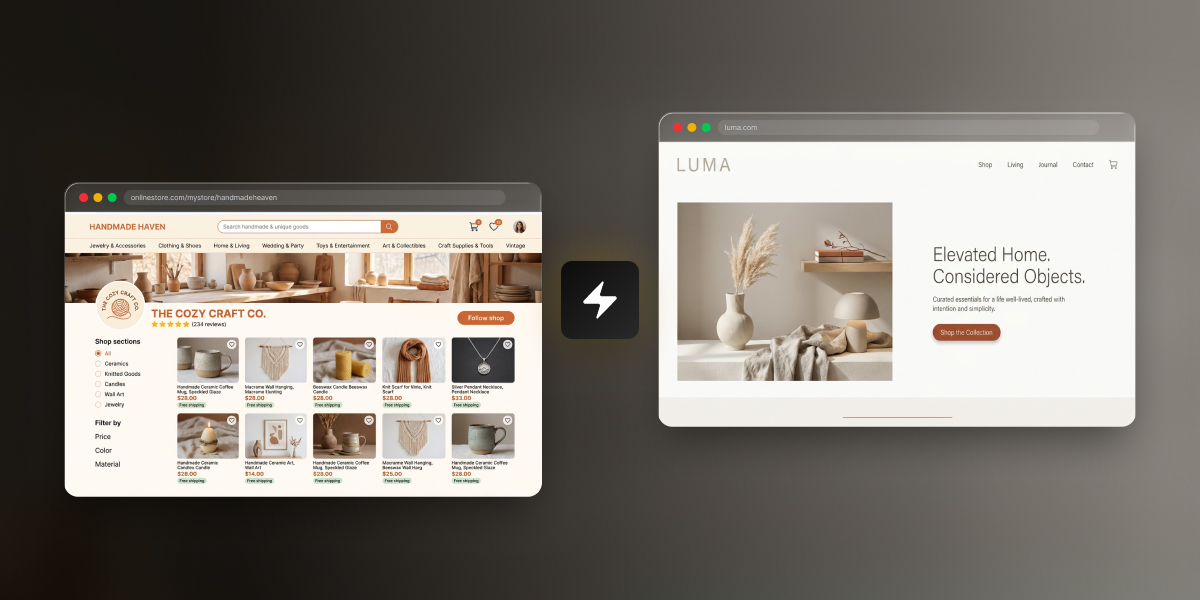
You’ve got a product, maybe even a few sales to friends and family, and no idea where to actually sell it. That’s normal. There are really only two paths: list it on an online marketplace, or build your own ecommerce store. One hands you an audience and takes a cut for it. The other keeps more of the money, once you’ve built the audience yourself.
Key takeaways:
- The ecommerce platform vs marketplace decision comes down to three tradeoffs: setup cost, control over your brand, and where your buyers come from.
- A marketplace works as a ready-made sales channel: you get access to shoppers already browsing, but you don’t own the storefront or the customer data. You’re a tenant, not a landlord.
- Your own ecommerce platform costs more time and setup work upfront, but you keep full control over pricing, branding, and have direct access to every customer’s contact information.
- You don’t have to pick one lane. Plenty of sellers list on a marketplace and run their own ecommerce site as two sales channels at once, keeping stock and pricing in sync by hand.
What is an ecommerce platform?
An ecommerce platform is software you use to build and run your own online store on your own domain, where you control the pricing, the checkout, and every piece of customer data that comes through it. Nobody else’s logo is on the page, and nobody else sets the rules for how you sell. For most people selling online for the first time, that control is the whole appeal.
Most first-time sellers build one using a website builder, a tool that turns product photos, descriptions, and a page layout into a live storefront without touching code. You pick a template, add your products, connect a way to accept payments, and the platform handles the technical side: hosting, checkout, security, and usually taxes and shipping calculations too. Et voila.
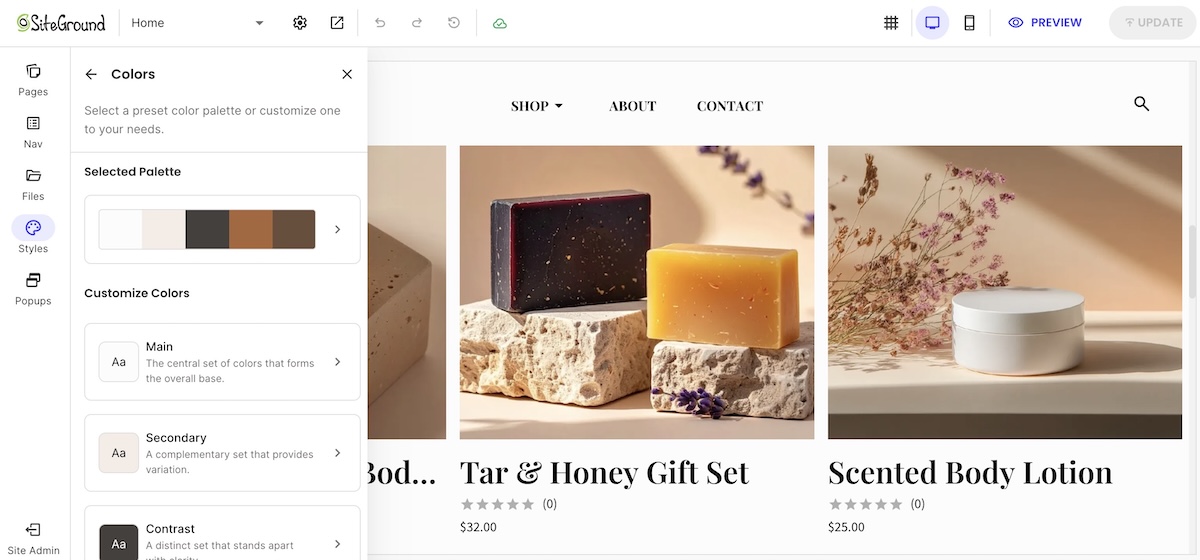
The tradeoff is visibility. A brand-new ecommerce platform starts with no traffic. Every visitor has to come from somewhere: search, social media, paid ads, or word of mouth. Owning the whole experience means owning the empty parking lot, too…at least for a while.
What is an online marketplace?
A marketplace platform is a third-party website where multiple sellers list products under one shared brand and one shared audience. You don’t own the storefront, you’re working inside someone else’s.
Common examples include:
- Etsy – handmade goods, vintage items, and craft supplies
- Amazon – general merchandise at massive scale
- eBay – auctions, used goods, and general merchandise
- Facebook Marketplace – local, peer-to-peer sales with minimal setup
Every marketplace runs on the same basic exchange: it brings the buyers, you bring the product, and it takes a cut of every sale for the introduction. Etsy alone reported roughly 86.5 million active buyers at the end of 2025. The target audience is there, but so is the competition.
Ecommerce platform vs. marketplace: cost, control, and traffic compared
The real difference between an ecommerce platform and a marketplace comes down to three things: what it costs you, who’s actually in control, and where your buyers come from. Here’s how they stack up, numbers included, so nobody has to take our word for it.
Setup cost, monthly cost, and fees
| Etsy (example marketplace) | Your own ecommerce platform (SiteGround Ecommerce, Grow plan) | |
| Setup cost | $0 to open a shop, plus a one-time $15 shop verification fee | $0 to build and preview your store (14-day free trial, no credit card required) |
| Monthly cost | $0 (Etsy Plus is optional, $10/month) | $24/month (billed annually) |
| Listing fee | $0.20 per item, renews every 4 months until it sells | None |
| Transaction fee | 6.5% of the total order, including shipping | None (0% platform fee) |
| Payment processing | ~3% + $0.25 per order (US rates) | Set by your payment processor, typically 2.9% + $0.30 per card transaction |
| Advertising | Offsite Ads: 15% if you’ve made under $10,000 in the past year, 12% mandatory above that | Optional, and entirely your choice |
| Time to launch | Same day: list a product into an existing marketplace with built-in checkout | A few hours to a few days, depending on your catalog size |
Prices shown above are as of July 10, 2026. Consult product pages for current prices.
Add it up and a typical Etsy sale runs close to 10% in combined fees before any advertising even shows up to the party. Your own platform trades that per-sale cut for a flat monthly cost, so the more you sell, the more the math tips in your favor. Fixed costs love volume. Percentage cuts do not.
Control over branding and customer data
On a marketplace, you’re working inside someone else’s template. You can pick a shop banner and write a bio, but the layout, the checkout, and the overall look are Etsy’s, Amazon’s, or eBay’s to control, not yours.
Play it forward a couple of years, and the marketplace path looks like this:
- 400 sales, but no list of 400 customers, just transactions that passed through someone else’s platform
- No way to email past buyers about a new product or restock
- If the marketplace changes its fees, its algorithm, or suspends your account, that customer base goes with it
Your own ecommerce platform flips that. You control the brand, the design, the checkout flow, and the customer list.
Same two years, different outcome:
- 400 sales become a real email list you own outright, no platform in between
- You can send a welcome email, announce new products, run a loyalty program, or ask for reviews for free
- Nobody handed you those customers. You found every one yourself, but once you have them, they’re yours to keep

Where SiteGround Ecommerce fits in
If this sounds like your situation, SiteGround Ecommerce is built for exactly this: a real store on your own domain, with templates designed for retail and everything (hosting, payments, checkout, email marketing) already connected. You can build the whole thing during the free trial before paying anything, so there’s no cost to see if it’s the right fit.
Starting building your ecommerce website now>>
Built-in traffic and discovery
This is where marketplaces earn their fees, and it’s the one thing they’re genuinely good at. Etsy, Amazon, and eBay all have shoppers actively searching inside their platforms, which means a new listing can get discovered without a single dollar spent on marketing. Your own site starts at zero. You’re responsible for every visitor, whether that’s through SEO, social media marketing, or paid traffic, and none of it shows up just because you launched.
Neither approach is free. A marketplace charges you in fees for its traffic. Your own site charges you in time and marketing spend to build traffic from scratch. There’s no free option here, only a choice of which cost you’d rather carry.
How to choose based on your situation
The right choice depends less on the product and more on where you are right now and where you plan to go: how much budget you have, how long you plan to sell, and what kind of product you’re selling. Here are a few scenarios to map against your own situation:
Testing a product idea with little budget
If you’re not sure people will buy what you’re making, a marketplace is a fast and cheap way to find out. Listing fees are pennies, there’s no monthly cost to test with, and you’re in front of buyers immediately instead of waiting on traffic.
Building a long-term brand
If you already know you’re in this for the long haul (and branding is an important part of your online business plan), building on a custom ecommerce platform pays off sooner than you might expect. You own the customer relationships from sale one, which matters more with every repeat purchase, and you’re not paying a percentage of your growth back to a marketplace forever. Renting gets old.
Selling handmade or niche goods
Handmade and niche products get real discovery benefits from a marketplace: buyers who are already searching for exactly that kind of item are hard to reach cold on a brand-new website. That’s a genuine advantage.
It comes with a real cost, too. Handmade goods usually run on thin margins to begin with, and a marketplace’s fees eat into that margin on every single sale. You’re also sitting next to hundreds of other sellers making similar things, which makes it harder to stand out or charge what your work is actually worth. Some sellers use a marketplace to get discovered, then move buyers toward their own site over time specifically to protect their margins and their brand.
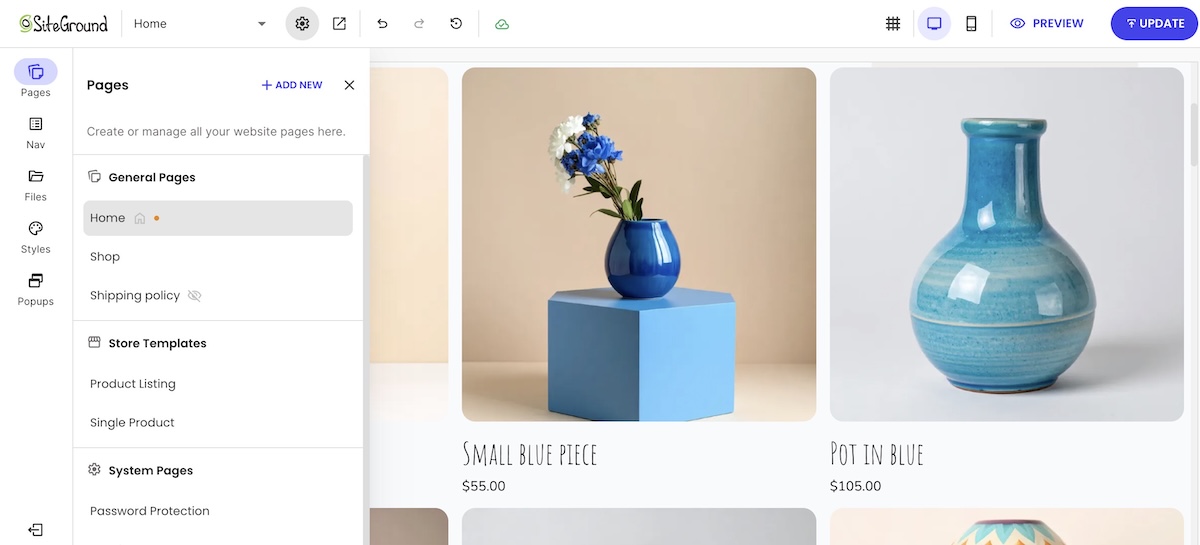
There’s no single right answer for handmade sellers. It depends on whether you value the built-in audience more than the fees and competition cost you.
The hybrid approach: selling on both
You don’t have to choose one and abandon the other. Plenty of sellers list the same products on a marketplace and their own site at the same time, using the marketplace for discovery and their own site for the sales they want to keep full control and full margin on.
Others use it as a sequence rather than a split: start on a marketplace to prove the product sells with real buyers, then build a site once there’s demand worth owning. The marketplace does the early legwork of finding an audience. The site is where you keep them.
For a solo seller with a manageable product count, running both at once is simpler than it sounds:
- Keep a single spreadsheet or notebook with current stock counts, and update it by hand after each sale on either channel
- Use the same product photos and descriptions across both, tightened to each platform’s format
- Decide on a pricing strategy across channels and stick to it. Some sellers keep prices identical everywhere to avoid undercutting themselves. Others price slightly lower on their own site, since skipping the marketplace fee leaves room to do that and still keep more margin than the marketplace sale would. Either works. What doesn’t is customers noticing a price gap with no clear reason behind it.
- Check both dashboards on a set schedule, like once a day, instead of trying to watch them constantly and losing the rest of your afternoon to it
This gets harder past a handful of SKUs or a sales volume where manual updates start slipping through the cracks. At that point, it’s worth rethinking how much you’re tracking by hand. Until then, a simple habit of checking both channels on a schedule works fine for most new sellers.
How to launch your own ecommerce platform
Creating your ecommerce website doesn’t require a developer, an agency, or a big budget. The basic setup is the same regardless of platform: pick a template, add your products, and connect a payment method.
A few things are worth getting right before you go live:
- Start with a template instead of custom design work. Most store builders include templates built specifically for retail, so you get a professional layout without designing one from scratch
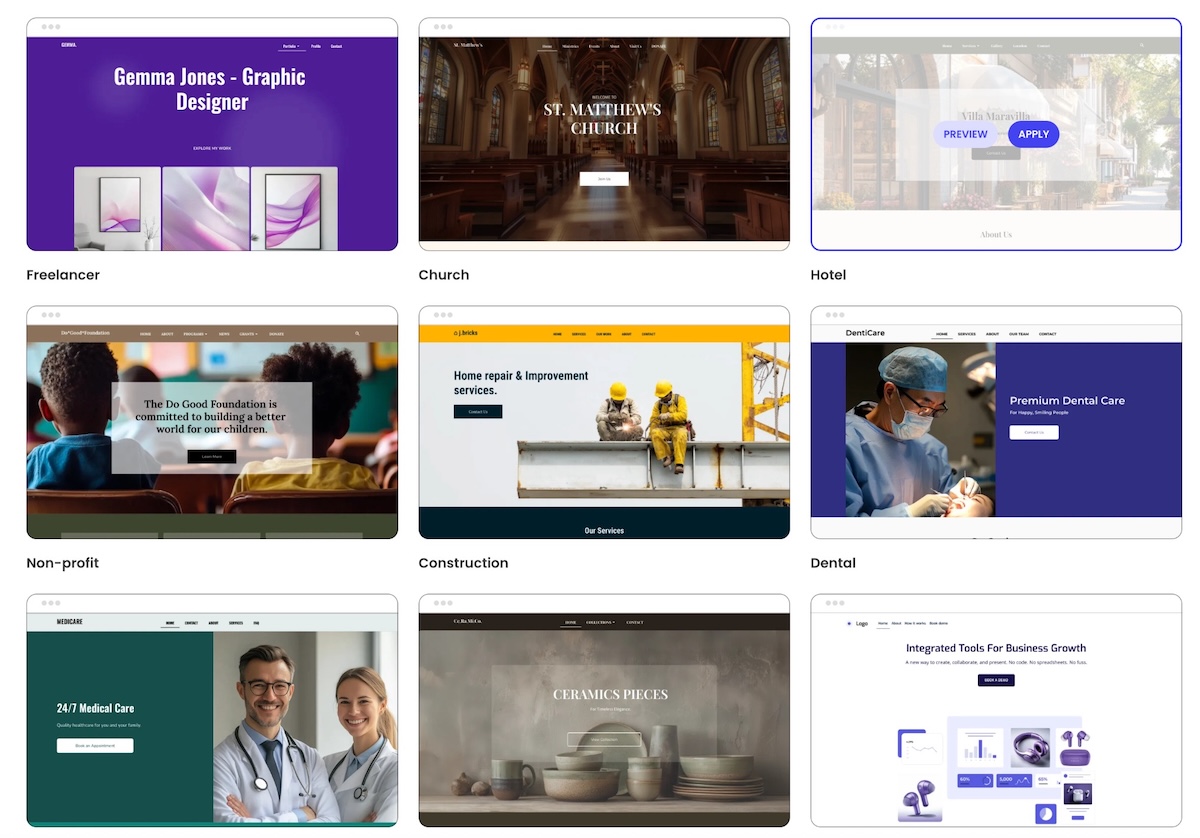
- Look for a platform that offers a free trial, and build your whole store during it. You can set up your store, add products, and preview it live before you’re ever charged
- Decide your shipping approach before you list anything, not after your first order comes in. Flat rate, calculated by weight or destination, or built into the price all work, but pick one before a customer is waiting on an answer
- Take product photos from multiple angles, not just one hero shot, and make sure they’re actually in focus and well-lit. This matters more for a brand-new store with no reviews yet than almost anything else on the page. If your original photos are a little rough, an AI image tool can clean up lighting and background without needing a reshoot
- Add basic trust signals before you launch: a way to contact you, a shipping and return policy, and a privacy policy. A brand-new store has no reviews yet, so this is what tells a stranger you’re legitimate
Setup is the easy part. Developing an ecommerce marketing plan and getting people to actually visit is the harder one. Here’s what you need to know:
- Post on social media where your buyers already are, not everywhere at once
- Start building your email list from day one, even just a signup box on your homepage. A small list you can email directly is worth more long-term than a big spike of one-time visitors
- Use AI to draft a first pass at product titles and descriptions, then edit them the way a buyer would actually search, not the way you’d describe it to a friend. This is a very important part of your ecommerce SEO at this stage
- Ask happy customers to share what they bought. A tagged photo or a mention does more for a new store than most paid ads would at this stage
The first month or two on your own platform will feel slower than a marketplace, because you’re building traffic instead of borrowing it. That’s expected, not a sign you picked wrong.
Common mistakes when choosing where to sell
- Picking a marketplace only because it’s free to start. The listing and transaction fees add up fast once you’re selling consistently, and “free to start” isn’t the same as “cheap to run.”
- Underestimating how long it takes to build traffic on your own site. A new store doesn’t show up in search results overnight, or in week one, or usually in week three either. Budget weeks, not days, before expecting steady visitors.
- Assuming you have to choose one and stick with it forever. Sellers move between models constantly. Etsy sellers add a website once they have proof a product sells; website owners add a marketplace listing to reach a new audience. Nobody signs a lifetime contract here.
- Ignoring who owns the customer relationship. If you’re building a brand you want people to remember, a marketplace-only strategy makes every sale a one-off instead of a repeat customer.
- Copying a competitor’s setup without checking your own numbers. What’s cheap or affordable for someone selling $200 candles isn’t the same math as someone selling $8 stickers. Run your own fee comparison before committing, not after.
The bottom line: ecommerce platform or marketplace?
There’s no universal right answer here, only the right answer for where you are. If you’re still testing whether the product sells, a marketplace gets you in front of buyers with less money on the line. If you already know you’re building something long-term, your own platform starts paying you back instead of a marketplace, and sooner than most people expect.
SiteGround Ecommerce makes the ownership side of that genuinely easy, not just possible. You can go from a blank page to a live, working store in a matter of hours, no developer and no code required. Every plan comes with fast, reliable hosting built in, so your store loads quickly and stays up when it matters. And if something trips you up along the way, real support is available 24/7, not a chatbot loop or a three-day ticket queue.
[103]
Frequently asked questions
An ecommerce platform is software for building your own standalone online store, where you control the branding, pricing, and customer data. A marketplace is a shared website where multiple sellers list products under one brand, like Etsy or Amazon, in exchange for a cut of every sale.
That depends on what stage you’re at and what you’re trying to solve for. Etsy trades a cut of every sale for speed and an existing audience. Your own website trades more setup time for control and margin. Neither is the “right” starting point, they fit different situations.
Etsy is a marketplace, not an ecommerce platform. It hosts millions of individual sellers under one shared brand and takes a percentage of each sale, rather than giving you a standalone ecommerce store on your own domain.
It depends on your sales volume. At low volume, a marketplace can be cheaper because there’s no monthly cost. Once you’re selling consistently, the roughly 10% in combined marketplace fees per sale often costs more than a flat monthly plan for your own platform.
Yes. Many sellers list the same products on a marketplace and their own ecommerce site at once, using each as a separate sales channel. At low product counts, this works fine with manual inventory updates and no extra software.
Ecommerce platforms include website builders you use to create a standalone store on your own domain. Marketplaces include Etsy, Amazon, eBay, and Facebook Marketplace, where you sell inside someone else’s shared platform.