Black Friday SEO: 11 Tricks to Elevate Your Online Visibility

A promotional image featuring a stylish green lamp on a marble base, with a search bar displaying "Black Friday" and a percentage discount badge, set against a gradient background with "SEO" text.

Black Friday is the Super Bowl of the retail world—a moment when all eyes are on your business and the biggest opportunities of the year are on the line. With millions of shoppers searching online for the best deals, standing out in search results can make all the difference.

But this year, there’s a new twist: AI is reshaping how people search, and search engines are prioritizing content that truly helps users. For small businesses, that means it’s time to get strategic so your store stays visible during the holiday frenzy.

In this guide, we’re sharing 11 Black Friday SEO tactics to help you navigate the evolving search landscape and make this holiday season your most successful yet. Ready to dive in? Let’s go!

Key takeaways:

  • Black Friday = peak competition, so success relies on strong technical performance, fast websites, and clear, high-intent landing pages (not just discounts).
  • Search is now topic- and intent-driven: use long-tail queries, helpful content, and smart internal linking; optimize product pages with clear benefits, reviews, and trust signals.
  • Prepare your team + tech stack: mobile-first design, speed optimizations, security, backups, and fully tested Black Friday landing pages with strong CTAs and urgency elements.
  • Use social + email as SEO power sources: optimized social posts (captions, alt text), countdowns, teasers, and email sequences that drive qualified traffic.
  • Implement structured data + optimize for AI Overviews to increase visibility and make your pages eligible for rich results and AI-powered summaries.

What’s New in SEO and Black Friday

SEO is constantly changing, and with Black Friday just around the corner, it’s essential to keep up with the latest search trends. This shift happens as artificial intelligence becomes more integrated into how search engines operate, helping to better understand user behavior and intent. 

So is Google getting rid of SEO? No, but it’s refining its algorithms to focus on helpful content and a deeper understanding of user needs. This evolution is reshaping how businesses approach holiday searches, making it crucial to adapt. 

With that in mind, here are the top four changes small businesses should consider for Black Friday SEO:

  1. Leveraging AI Tools: Search engines are increasingly using AI to better match search queries with relevant content. By using AI-driven tools, small businesses can improve their search visibility and keep you ahead in the SEO future. These tools can analyze data to identify popular trends and keywords.

For example, if you run a small bakery, AI tools can help you discover trending items like “vegan pastries,” allowing you to adjust your menu and tailor your marketing messages to attract more customers.

  1. Sustainability and Ethical Practices: Search engines like Google are increasingly favoring businesses that prioritize sustainability and ethics. With more users searching for “green” or “ethical” brands, search engines prioritize relevant content to match this demand, aligning with the N-E-E-A-T framework (Notability, Expertise, Authoritativeness, and Trustworthiness), which we’ll explore more later in the article. 

So, if your business is eco-friendly, promote it on your website to stand out.

  1. Social Media and SEO: Now that Instagram and Facebook posts are searchable in Google searches, it’s time to step up your game. But how? Make sure your captions are packed with relevant keywords to help people find you. Add descriptive alt-texts to your images so search engines know what they’re looking at. Dive into creating fun and valuable Reels, and don’t forget to use hashtags and location tags to expand your reach. This way, you’ll not only boost your Instagram presence but also get more eyes on your business through search results.
  2. Mobile Experience Still King: While this is not as new, having a smooth mobile experience is still key. Make sure your website is quick, easy to navigate, and looks good on all screens. If you run an online store, you want your customers to enjoy a hassle-free shopping experience, where they can browse and buy without any issues. The simpler it is, the more likely they are to make a purchase!

[41]

11 Essential Tips for Black Friday SEO

Feeling overwhelmed by the holiday shopping madness? You’re not alone. For small and local businesses, standing out among the retail giants can feel like trying to find a needle in a haystack.

Here are 11 must-know Black Friday SEO tips to help small businesses stand out and make a big impact during this bustling season.

1. Do Your Keyword and Content Research

With AI overviews making this year a bit unpredictable, it’s hard to say exactly how traffic will be impacted. Organic traffic is still one of the strongest marketing tools for small businesses—it’s budget-friendly, works long-term, and pulls in the right crowd, all while boosting your credibility. 

But AI is changing the game. Google’s AI Overview Optimization (AIO) is moving away from just targeting specific keywords to focusing on semantics and context. It emphasizes broader topics, topic clusters, and long-tail keywords to deliver comprehensive, user-focused content that aligns with search intent and provides value.

Even with these changes, don’t toss your keyword research out the window just yet—it’s still incredibly important. It gives you a clear picture of what people are looking for, letting you tweak your content to fit their needs and improve your rankings. Just adapt it to fit the new focus on broader topics and clusters. Let’s examine how to make this happen.

Review last year’s performance:

  • Check which keywords drove the most traffic and conversions during Black Friday and Cyber Monday.
  • To find your top relevant keywords, navigate to Google Analytics and explore the “Acquisition” section, then head over to “All Traffic” and select “Channels.”

Conduct fresh keyword research:

  • Look for keywords with high search volume but low competition—this is what keyword value is all about. These are terms lots of people search for, but not many businesses target, giving you a better chance to rank.
  • With AI reshaping search, focus on long-tail keywords and providing context rather than just specific keywords. For example, instead of targeting “running shoes,” dive into “best footwear for marathon training” or “how to choose the right running shoes for your foot type.”

Also, keep in mind that it’s more important than ever to make sure every page has a clear CTA and a path to conversion. Mapping out the customer journey helps you get a clearer picture of how visitors navigate your site, so you can guide them smoothly from just being interested to making a purchase.

We might not be able to guarantee massive traffic numbers, but we can make the most of the visitors who do land on the site.

2. Meet the N-E-E-A-T Principles

As Black Friday approaches, optimizing your website and product pages for both search engines and user experience is crucial for driving sales. 

Here’s how you can incorporate the N-E-E-A-T principles directly into your product pages and descriptions.

  • Start by making your products stand out with catchy titles and descriptions. And make sure they’re extra clear, so consider using expressive keywords like “Black Friday glasses deals” so people can easily find your products when they’re searching online.
  • Show off your expertise by giving detailed product info on the product detail page. Highlight any cool features or benefits that make your products special. And don’t forget about social proof like customer reviews—highlight them on your product pages. Positive feedback helps build trust and can really sway new buyers.
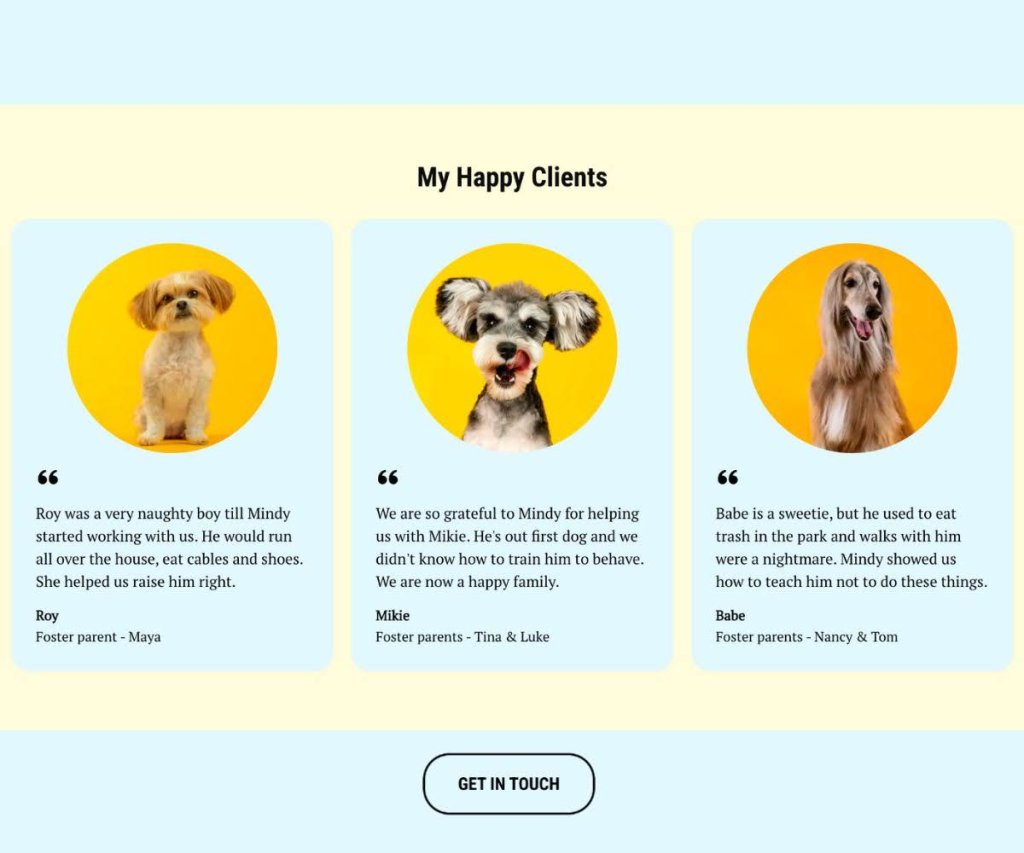
A webpage section titled 'My Happy Clients' featuring three dogs with testimonials from their foster parents, Roy, Mikie, and Babe, on a colorful background.
  • Trust is a big deal, so make sure your site feels legit by including secure payment badges, clear return policies, and an easily accessible “Contact Us” page for shoppers to reach out with any questions.
  • If you’re feeling up to it, consider adding some extra content like a quick guide that links back to your products. It’s not essential, but it can be a nice bonus to drive more traffic. 

Here’s a quick content tip:

Think about your target audience and their pain points. If you’re selling eyeglasses, for instance, what would a potential buyer want to see during Black Friday? Maybe a guide on choosing the right frames for different face shapes or special discounts on lens upgrades. 

Then, make sure your content addresses these needs directly and highlights the deals you’re offering, making it easy for them to find and act on.

This mix of easy navigation, valuable content, and trust turns your site into a trusted go-to spot for all those awesome Black Friday deals.

3. Assemble Your Dream Team

Once your quality content is ready, the next step is making sure your website can handle the Black Friday rush. How you do that depends on your setup—whether you have an in-house team, work with freelancers, or are flying solo.

If you’ve got an in-house team, you’re in a great spot since you can bounce ideas around and make changes quickly. Black Friday is going to bring a wave of traffic, and having your team on deck means you can quickly tackle any issues or jump on new opportunities. Regular check-ins help keep everyone on the same page, aiming to wow those holiday shoppers.

Working with freelancers? Fresh ideas and skills can give your site a unique twist. Just keep the lines of communication open and check in often to make sure everything’s running smoothly during this busy season.

Flying solo? Black Friday can be a wild ride, but having full control lets you focus on the essentials like fast load times and mobile-friendly design—super important when every second counts. 

A few quick ways SiteGround helps you:

SiteGround Email Marketing handles everything from segmentation to automation, simplifying the process and making it easy to use effectively.

With robust security features like automatic backups and the Security Optimizer Plugin, SiteGround ensures your site stays safe and sound.

With both human and AI support, SiteGround is there to help you navigate any issues that come up, ensuring you have the assistance you need when challenges arise.

However you’re handling your website, the goal is to create something that grabs people’s attention and makes them want to come back. If your site is easy to use and looks fantastic, it builds on the trust and credibility you’ve established with your great content.

4. Create Black Friday Landing Pages

Landing pages are where you display your best deals and draw in the crowds. They play a crucial role in your Black Friday campaigns by focusing all the attention on your special offers, making it easy for shoppers to find exactly what they’re looking for. Plus, they’re great for SEO because they can help you rank for those sweet Black Friday-related searches.

Follow the key landing page best practices to help you nail it. Keep things simple and focused. Design your page to highlight your best deals with bold discounts, a countdown timer, and compelling content that clearly communicates your value propositions.

You can use a Black Friday template or the SiteGround Website Builder’s drag-and-drop feature to easily set up your offers, engaging copy, testimonials, and a strong call to action.
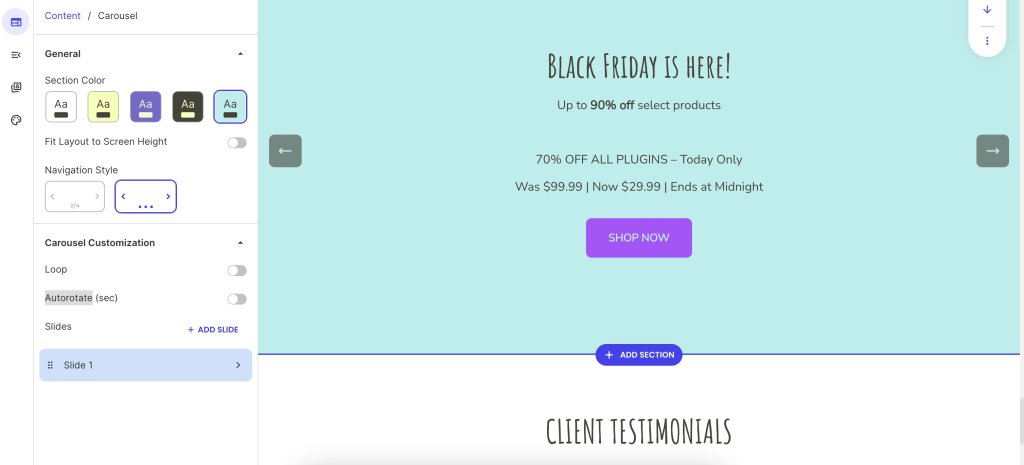
A webpage preview showing a Black Friday promotion with text "BLACK FRIDAY IS HERE!" and "Up to 90% off select products" and "70% OFF ALL PLUGINS - Today Only" with a price drop from $99.99 to $29.99, ending at midnight, featuring a "SHOP NOW" button, alongside a content carousel customization panel.

Think mobile-first since most folks will be browsing on their phones. Go for bold colors to create that urgency vibe, but make sure they highlight your products, not distract from them. And don’t forget to optimize those images and videos so everything loads fast, even when traffic’s heavy.

Be clear about your offers—put those discounts front and center with strike-through prices or percentage savings. A punchy headline like “70% Off All Plugins – Today Only” can grab attention, and a countdown timer with phrases like “Ends at Midnight” adds that extra push.

Keep your Black Friday landing page centered around one main message with a clear call to action, like “Claim 50% Off Now.” Adding a few testimonials can really help build trust, and it’s important to have easy navigation so visitors can find what they’re looking for without any hassle.

Before the big day, take some time to test everything out, making sure it all works perfectly for when the Black Friday crowd arrives.

5. Leverage Social Media

Using social media marketing is a fantastic way for small businesses to improve their Black Friday strategy. It’s not just about posting your promotions on Instagram and Facebook. While that does help increase the traffic to your website, it also supports your SEO, especially now that Facebook and Instagram content can be found through Google searches.

It’s also about building a community, creating a buzz, and getting people excited and engaged with what you have to offer.

To get everyone hyped and heading to your website, try mixing in some fun content like countdowns to the big day, sneak peeks of your awesome deals, and live unboxing videos. Throw in a bit of humor to keep things light and engaging—because who doesn’t enjoy a little giggle while hunting for bargains?

Just be sure the humor aligns with your brand voice and resonates with your target audience, keeping your overall goals in mind to ensure the tone fits the message you’re conveying.

A promotional image from SiteGround featuring a countdown timer showing 12 hours, 56 minutes, and 25 seconds, with text "Save up to 85% OFF Premium Hosting" and a discount badge with "%" symbol, set against a purple gradient background with a website icon.

6. Use Email Marketing Wisely

While email marketing might not seem related to SEO at first glance, it can still have an impact. That’s because email marketing brings qualified traffic to your site, which can increase engagement metrics like dwell time and reduce bounce rates—all important for SEO. This tells search engines that your content is valuable.

Plus, it helps build brand awareness and authority by promoting high-quality content, which can lead to more backlinks and social shares, giving your site’s ranking a nice bump.

As you gear up for your BFCM marketing, here are some email marketing tips to keep in mind. 

  • For email subject lines, remember that inboxes are jam-packed during Black Friday. So use words that create urgency, like “limited time” or “only a few left.” You can even use AI to help craft subject lines that really stand out.
  • For your email CTAs, make sure they’re above the fold so subscribers don’t have to scroll to see them. Use bold colors and big fonts to make them stand out. And, make sure your CTA text matches your offer—like “Claim my gift” if there’s a freebie involved. 
  • Finally, map out your BFCM message schedule so your emails land in inboxes at just the right moment to have the most impact. With SiteGround Email Marketing, it’s easy to manage your timing and make sure your messages get noticed. 
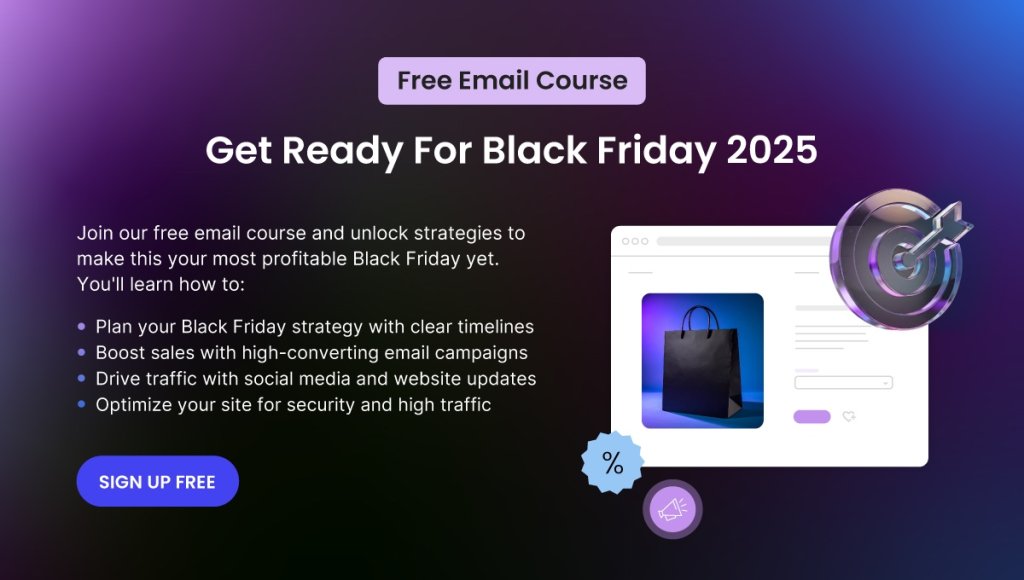
Sign up for free Black Friday email marketing course from SiteGround

7. Implement Structured Data & AIO

Schema markup is a type of code, often called structured data, that tells search engines exactly what your website pages are about. Using schema markup is a great way to make your website stand out in search results. 

You add this to your site’s HTML, which isn’t as tricky as it sounds. WordPress users can use plugins, while others can use AI tools for help. 

Just make sure your schema markup code snippets are correct and not broken. To spot and fix any issues, try using a tool like Google’s Rich Snippets testing tool. Just pop in your webpage’s link or paste your page’s code, and it will check for any structured data problems.

Also, keep in mind Google’s AI Overviews (AIO), which provide quick content summaries in search results. Structured data plays a key role here by helping search engines understand and organize your content effectively. This means your site is more likely to be featured in AIO summaries.
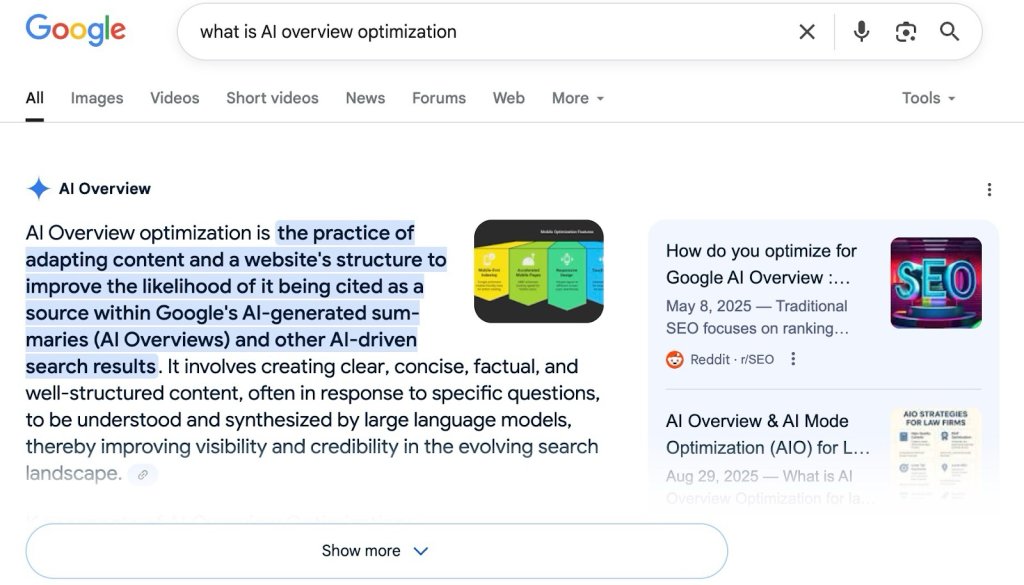
Screenshot of a Google search results page for "what is AI overview optimization," highlighting the AI Overview section with a definition, an infographic on mobile optimization features, and related search suggestions from Reddit and other sources.

To make the most of AIO, break your information into easy-to-read “chunks” that are perfect for featured snippets. This strategy not only helps your site grab attention but also delivers useful info quickly to users. Getting featured in AIO can really get you noticed and take your online presence up a notch. It’s all about making your content accessible and engaging.

8. Reuse and Refresh Evergreen Content

While keeping up with trends is great and sometimes essential, evergreen content is always a solid bet. Think of it like a classic little black dress in your content wardrobe—never out of style and easy to accessorize. 

Take those timeless pieces, like gift guides, how-to articles, and product reviews, and give them a fresh twist by adding Black Friday specifics. For example, update a gift guide with this year’s trending products, or add new tips to a popular how-to article. This way, you keep them relevant and engaging all year long without starting from scratch.

There are some great SEO perks, too. By reusing and updating evergreen online content, you can strengthen your site’s authority through smart internal linking. This approach also helps you avoid the pitfalls of duplicate content penalties, keeping your site in good standing with search engines.

For small businesses, this strategy is a real time-saver. Instead of starting from scratch, you can take last year’s posts and turn them into this year’s hits with minimal effort. It’s all about making the most of what you already have and giving it a new lease on life.

9. Improve Website Loading Speed & Security

For Black Friday SEO, having a fast and secure website is crucial. A quick-loading, secure site not only keeps your customers happy but also helps your search engine rankings. A slow site can mean lost sales, especially on Black Friday when every second matters.

Start by compressing images to improve your website performance and speed up load times, enabling HTTPS for secure transactions, and using caching to handle those Black Friday traffic surges smoothly.

For ecommerce small businesses, focusing on speed and security is key to capturing sales and improving your site’s SEO performance during the busiest shopping day of the year.

10. Focus on Local SEO

Local SEO is all about optimizing your online presence to attract more business from relevant local searches. For example, if someone searches for “Black Friday deals near me,” a well-optimized Google Business Profile can help your online store appear in the search results. Start by claiming and optimizing your profile, and make sure to include Black Friday hours, special deals, and location-based keywords.

For brick-and-mortar businesses looking to expand online, this is a great way to turn local loyalty into digital sales.

Adopt a hybrid approach that drives foot traffic (the number of customers physically visiting your store) while increasing online searches for “near me” queries. This strategy not only brings people into your store but also helps them find you online. 

11. Monitor & Measure Your Marketing Efforts

So, with all these tips in mind, the next step is to observe and see how they all come together. Keeping an eye on how your Black Friday SEO strategies are performing is essential. Track key digital marketing metrics like website traffic, conversions, and keyword rankings both during and after the event. This helps you see what’s working and what needs tweaking.

Free tools like Google Analytics can help you make data-driven decisions in real-time. They offer valuable insights into who’s visiting your site, what other relevant pages they’re checking out, and how long they stick around. You can also see what devices people are using and where your traffic is coming from, whether it’s social media, search engines, or direct visits.

Keep in mind that Google Search Console holds data for up to 16 months, giving you a clear view of clicks and impressions from last year. This historical data is invaluable for making informed SEO and keyword decisions.

And while you’re busy keeping tabs on your Black Friday SEO, SiteGround’s got the tech side covered. With 24/7 checkups and automatic alerts, we handle the nitty-gritty for you. Plus, daily backup service means your data is safe and sound. So you can focus on your Black Friday sales without worrying about technical hiccups, making your Black Friday run a whole lot smoother and more relaxed.

After Black Friday: Sustaining Momentum

Once Black Friday is over, it’s time to keep the momentum going. Start with a post-event analysis to review what worked well—such as top-performing keywords—and apply these insights to optimize your strategies for Cyber Monday and the rest of the holiday season. This way, your Cyber Monday search efforts can build on the success of your Black Friday campaigns.

Think about long-term strategies to convert that seasonal traffic into loyal, year-round customers. Sending follow-up and other types of emails and refreshing your content are great ways to keep your audience interested and eager to return.

For small business owners, Black Friday is just the beginning. It’s a launchpad for ongoing growth.

Let’s Crush Black Friday Together with SEO!

Ready to make this Black Friday your best one yet? With a few smart SEO moves, your small business can really stand out during the holiday rush. Think mobile-friendly websites, optimizing for AI, and making sure your content is exactly what your customers are searching for.

And don’t worry, with SiteGround you can enjoy peace of mind knowing your site is in good hands, so you can make this Black Friday truly unforgettable!

A promotional SiteGround banner with web hosting icons, a main heading that says "Unleash your website potential with SiteGround", text that says "Begin your online journey with a trusted web hosting partner that will provide your website with ultrafast speed, top-notch security, and dedicated support", and a button with text - "Get SiteGround Hosting"

AI Overview Optimization: Myths Debunked

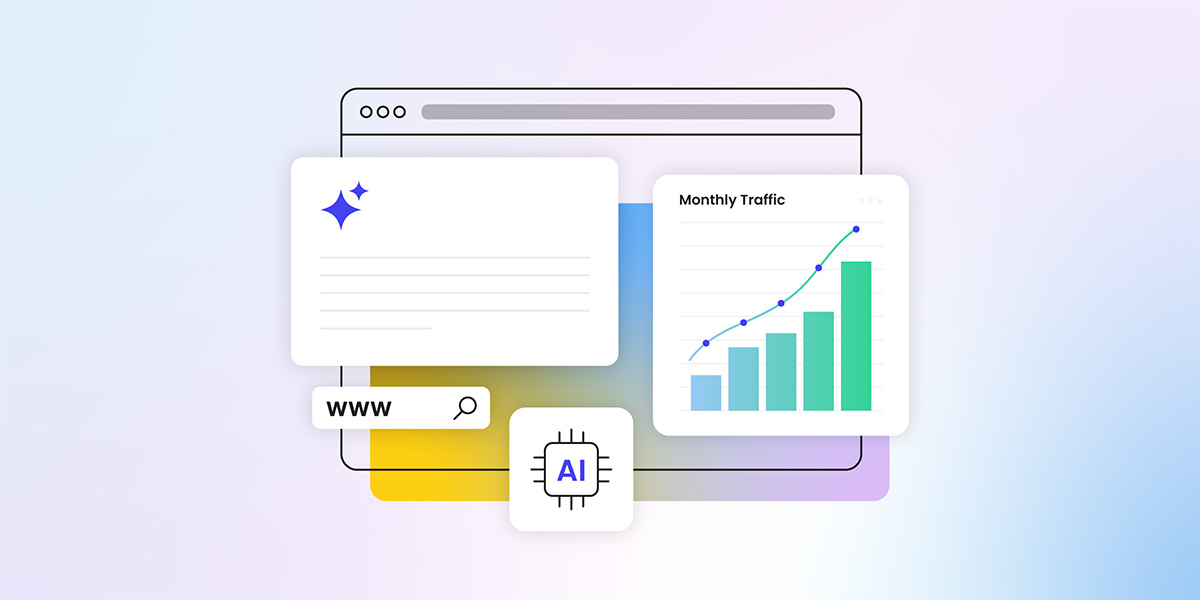
A digital illustration featuring a browser window with a blank document, a search icon, and an AI chip icon. On the right, a chart titled "Monthly Traffic" shows an upward trend with green bars and blue data points, indicating growth over time.

AI—it’s the buzzword on everyone’s lips these days, especially in the SEO world. With all the chatter, questions are flying: Is SEO a thing of the past? How do AI Overviews gather their info? 

Let’s clear the air and tackle these questions head-on. We’ll explore how it all really works and uncover the exciting ways AI is transforming SEO for the better!

What is AI Overview Optimization?

AI overview optimization is the process of creating and improving content, so it can increase its chances of showing up in Google’s AI-generated summaries, also known as AI Overviews. It’s about giving your content and SEO a little makeover to match how AI systems think and display info, making it easier for your site to stand out and get noticed.

AI Overview relies on machine learning algorithms and natural language processing (NLP) to analyze large amounts of data. These technologies enable AI to understand context, intent, and user behavior, allowing for more precise content recommendations and search result personalization.

While traditional SEO focuses on relevant keywords and backlinks, AI-powered search goes further by analyzing patterns in user searches and interactions. It looks at the context and intent behind searches to understand what users really want, helping tailor content to meet those needs more precisely.

AI can also predict trends and personalize search results based on individual behavior, making SEO strategies more targeted and effective.

Adding AI to your traditional SEO toolkit helps your site run at its best, stay competitive, and adapt to the changing needs of search engines and users. And of course, having a solid hosting provider is crucial for success. SiteGround offers a robust hosting infrastructure and prepares your site to handle increased traffic and complex AI demands, helping you stay ahead in the SEO game.

Screenshot of a Google search results page for "what is AI overview optimization," highlighting the AI Overview section with a definition, an infographic on mobile optimization features, and related search suggestions from Reddit and other sources.

AIO, AEO, GEO: What Do They Mean?

There seem to be a lot of O’s floating around these days. But how are they different, and how do they relate to one another? Let’s break it down. 

  • Artificial Intelligence Optimization (AIO) is like the big-picture strategy that gets  every part of your digital presence—your website, content, and more—ready for AI systems..
  • Then there’s Generative Engine Optimization (GEO), which focuses on making your content stand out in AI-powered generative search engines, tailoring your content to be a key source for those systems as they create custom responses.
  • And finally, Answer Engine Optimization (AEO) focuses on making your content the go-to for concise, direct answers in search results.

Each one has its own unique role, but together, they work in harmony to enhance your visibility in the AI-driven landscape.

[41]

How AI Overview Optimization Affects SEO

AI overview optimization is really shaking things up in the SEO world. Just a year ago, if you wanted to find something online, you’d type your query into a search engine and click through a bunch of links to get your answer. 

Now, with AI overviews, you often get the info you need right on the search results page, leading to more “zero-click” searches where you might not even click on any links at all. This means fewer clicks for traditional websites, making it tougher to snag that organic traffic. 

But here’s the upside: while Google’s AI overviews don’t mess with your rankings directly, they give you a significant chance to get noticed by being part of those AI-generated summaries. So, even though it’s trickier to draw in users, there’s a new way for your site to shine and grab attention in this fast-changing SEO scene.

In short, here are four key ways AI affects SEO:

Zero-Click Searches: Answers are provided directly on the search page, reducing traditional link clicks.
User Experience: Quick, relevant answers improve satisfaction and engagement.
Visibility: New opportunities arise from being featured in AI-generated summaries.
Smarter Strategies: AI offers deeper insights for more effective SEO.

Debunking Myths About AI SEO

And just like any exciting new trend in SEO, AI overview optimization seems to be shrouded in a bit of mystery. There are plenty of myths and misconceptions floating around, so let’s clear the air and set the record straight on some of the most common ones.

Myth 1: AI Makes SEO Obsolete

Over the years, there have been countless predictions that SEO was on its way out. However, like many technologies, it has a way of evolving and building on new innovations rather than being replaced by them. 

AI Overviews are a prime example of this evolution. Instead of making SEO obsolete, AI Overviews make it smarter and more advanced by offering deeper insights and more precise data analysis. Embracing an AI-first mindset makes SEO strategies even more effective, allowing you to focus on creating quality content and engaging with your audience.

For example, before Google’s AI overviews, a small online bookstore might have relied on basic keyword research, focusing on generic terms like “rare books” without understanding the specific interests of their audience. Marketing efforts were often broad and less targeted, leading to lower engagement and conversion rates.

Google’s AI overviews summarize trending search queries, and tools like Semrush or Google Analytics 4 analyze user behavior. With these insights, the bookstore’s marketing team can accurately identify specific customer interests, such as “first edition Agatha Christie mystery novels” or “signed Philip K. Dick science fiction books.”

Using these insights, the bookstore can craft targeted landing pages, blog posts, and ad campaigns focused on these specific niches. The bookstore can significantly improve its search engine visibility, attract highly relevant traffic, and drive increased sales through more effective, data-driven marketing strategies.


Quick Tip: Don’t forget the N-E-E-A-T model
(Notability, Experience, Expertise, Authoritativeness, Trustworthiness) 

Highlight unique aspects, achievements, or contributions that set your content apart and make it memorable to your audience.

Enhance content quality by using tools like Grammarly for readability and SEO tools for keyword optimization.

AI chatbots can help with fact-checking, but it’s always a good idea to double-check things the old fashioned way—that is, manually—to keep your content accurate and reliable.

AI and language models often gather information from authoritative sites, so aim to establish your site as a trusted resource. Produce high-quality content, engage with your audience, and show your expertise. SEO tools can be helpful, but you can build links without them by focusing on creating valuable, expert content. 

Display author credentials with LinkedIn or CMS plugins. Including a link to their LinkedIn profile in an author box is a great way to prove their expertise and allow crawlers to access that URL.

Myth 2: The More Keywords, the Better

Remember when SEO was all about stuffing in as many keywords as possible—the more, the better? While relevant keywords still matter, that’s definitely not the whole story anymore. 

With AI overviews, the game has shifted to focus on semantics and broader topics. Instead of just targeting individual keywords, AI helps us understand the bigger picture by identifying themes and concepts that users care about. 


This shift means we’re crafting content that speaks to the intent and context behind searches, not just the words themselves. Going with this topic-centric approach lets AI help websites build authority and relevance across a bunch of related queries, which means better visibility and more engaged users.

Here’s another tip: Use long-tail keywords

Long-tail keywords are specific phrases that capture user intent more accurately. They’re great for AI overview optimization because they align with the semantic focus of AI, helping you target niche audiences and improve relevance. 

For example, a regular keyword might be “running shoes,” while a long-tail keyword could be “best running shoes for flat feet women.” 

Shorter keywords are good for broad visibility, while long-tail keywords are great for attracting highly targeted traffic and addressing specific user needs.

Myth 3: AI Optimization is Only for Large Companies

Think AI optimization is just for the big guys with deep pockets? Think again! Businesses of all sizes can tap into the power of AI to strengthen their online presence. 

AI overviews tend to pop up for searches that demand detailed information, so embracing AI optimization is a clever move for any business eager to capture user interest and make a memorable impression.

AI overview optimization is especially beneficial in industries like technology, health, finance, and automotive, where detailed understanding and complex comparisons are key. 

Small businesses have a real chance to shine by whipping up engaging, top-notch content that nails the exact questions users are itching to have answered. And that’s the cool part—it lets even the little guys stand toe-to-toe with the big players, gaining visibility and authority like never before.

5 Strategies to Optimize for AI Overviews

So we’ve debunked those myths, but how do you actually get AI to notice you? It’s easy—just stick to what AI looks for. 

Like we said, AI favors content that’s clear, concise, and directly relevant to what users are searching for. So, аlign your content with these priorities and you’ll be well on your way to catching AI’s attention and increasing your chances of being featured in AI-generated overviews.

To get started, let’s explore some effective strategies that can help you optimize your content for AI overviews.

1. Nail User Search Intent with Direct Answers

Position direct answers at the beginning. Place them at the top of your content or in a dedicated section like “Frequently Asked Questions” or “Quick Answers.” This helps both users and search engines quickly find the information they need, which, as we’ve discussed, is important since Google focuses on search intent.

Keep answers concise—ideally one to two sentences, or around 40–60 words—to improve readability and search engine recognition.

2. Focus on Topics, Not Just Keywords

Focus your content on topics instead of just individual keywords. Think about the bigger picture and what your audience really cares about. 

As we discussed earlier, focusing your content on these comprehensive topics and incorporating long-tail keywords can help you connect better with your audience. Plus, it increases your chances of being featured in those AI-generated summaries.

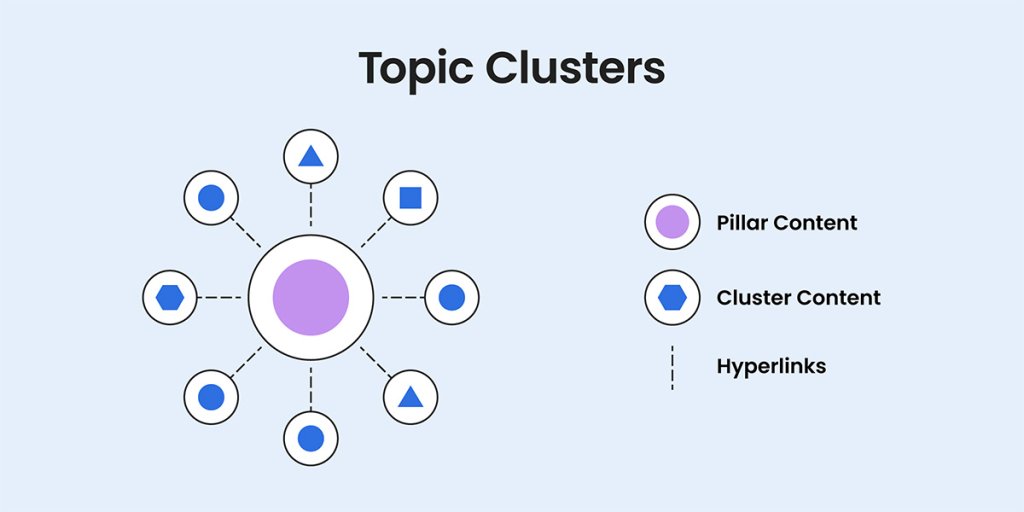
Analyze competitors to see what they’re doing well and identify content gaps you can fill to engage your audience more effectively. Structure your content with topic clusters by creating a central pillar, which acts as a comprehensive guide on a broad topic. 

For example, if you’re in the health industry, your pillar content could be an extensive guide on “Healthy Living.” This guide would cover various aspects of the topic, such as nutrition, exercise, and mental wellness.


Then, develop supporting cluster content by writing specific pieces on sub-topics like “Benefits of a Balanced Diet,” “Effective Home Workouts,” and “Mindfulness Techniques for Stress Reduction.” These articles would link back to the “Healthy Living” pillar page and to each other, enhancing SEO and showcasing your expertise, ultimately boosting your chances of being featured in AI-generated summaries.

A diagram illustrating topic clusters, featuring a central purple circle labeled as Pillar Content, surrounded by six blue shapes (circles, triangles, and a hexagon) representing Cluster Content. Dashed lines indicate hyperlinks connecting the Pillar Content to the Cluster Content.

3. Structure Snippets for AI Search Results

It’s important to structure your content in a way that makes it easy for search engines to feature it in snippets. Snippets are the concise answers or summaries that appear at the top of search results, and they’re an effective way to capture attention.

Start with content chunking by breaking your content into bite-sized, manageable chunks or sections. Use clear headings and subheadings to guide readers through your content. This not only makes it easier for users to digest information but also helps search engines understand the structure and key points.

Incorporate question-based headings to directly address common queries your audience might have. This tactic aligns well with how snippets are generated and can increase the chances of your content being featured. 

Use lists and tables to present information in a clear, organized way. Search engines love this format because it effectively highlights key points or steps. To align with accessible web design standards, just make sure your tables are in text format rather than images. Including bullet points or numbered lists will make your content more accessible and appealing, both to users and search engines.

Highlight important fragments using bold or italics to emphasize key points, making them more likely to be featured in snippets.

Lastly, aim for short, focused paragraphs, ideally around 2-4 sentences each, to maintain reader engagement. Snippets are designed for brevity, so focus on clarity and to-the-point writing.

4. Adopt a Semantic Approach for Quality Content

Adopt a writing style that’s rich, human, and semantic to better align with how AI understands and processes information. This means writing content that connects with readers on a personal level while also being easily understood by search engines. 

Semantics in AI Optimization

Semantics are important because they help AI models, like BERT and GPT, understand the context and meaning behind user queries. These AI models help search engines grasp the nuances of language and the underlying purpose of a search query by using Natural Language Processing (NLP) to interpret complex queries and understand relationships between words and concepts.

Use a conversational tone to make your content feel natural and relatable. This makes it more relatable and engaging for your readers, and it also aligns with how AI systems prefer authentic language. 

Remember the N-E-E-A-T model? Now’s your chance to distinguish yourself by highlighting real-world experiences and insights. This builds trust and authority, making your content appealing and memorable to both users and AI. Be transparent by sharing your sources and any potential biases to boost your credibility even more.

Enrich your content with synonyms and related terms to broaden its relevance and capture diverse user queries. This approach fosters a natural and varied writing style, improving your content’s visibility in AI-driven search results and helping it stand out in a competitive digital space.

5. Optimize Technical SEO for AI Crawlers

Technical SEO’s goal is to improve a website’s backend structure to boost search engine rankings and user experience. It makes it easier for AI crawlers to navigate your site. Speed up your site by compressing images, cleaning up your code, and enabling browser caching for faster loading times. 

SiteGround’s Speed Optimizer is your go-to tool for tackling this, making your WordPress site lightning-fast—up to 20% faster than comparable plugins. Not only will users thank you, but search engines will too.

Create a clear site structure and eliminate barriers such as broken links, duplicate content, blocked resources, complex navigation, slow loading times, and lack of mobile optimization for efficient crawling and indexing. 

It’s important to confirm that your hosting provider allows AI crawlers on their servers. Additionally, be cautious with JavaScript-based content, as it isn’t AI SEO friendly and is often “hidden” from AI crawlers. Aim to minimize its use where possible to enhance visibility.

Structured data, or schema markup, functions as a blueprint that helps AI with clear, machine-readable information that explains what your website content is about. Just make sure it matches what’s actually on your web page. Plus, a speedy site with a good mobile optimization gives users a great experience, which AI loves.

Using tools like SiteGround Supercacher and SiteGround CDN services can significantly improve your site’s performance. Focus on these technical details and you’ll make your site more appealing to AI crawlers and improve your search visibility.

A promotional image for the SiteGround Speed Optimizer plugin, featuring a mockup of a website with a bedroom interior. The text highlights how the plugin can boost website speed by up to 20% with dynamic caching, object caching (Memcached), and file-based caching. A call-to-action button reads "GET THE SPEED OPTIMIZER PLUGIN" with a yellow rocket icon and a graph icon emphasizing performance improvement.

Schema Types for Featured Snippets

And speaking of schema types, also known as structured data, they are a form of microdata that helps search engines understand the content of a web page. Using schema types is a great way to increase your chances of snagging featured snippets in search engine results page (SERP), which can really up your site’s visibility and get more people clicking through.

Here are some common schema types and their roles, along with examples:

  • FAQ Page Schema: Highlight your FAQs so search engines can show them directly in Google results, making it easy for users to find answers.
  • How-to Schema: Provide step-by-step instructions that make your guides and tutorials stand out in search results.
  • Article Schema: Perfect for news and blog posts, helping search engines display your content nicely on results pages.
  • Recipe Schema: Designed for recipes, it showcases ingredients and cooking times, making your dishes more appealing in search results.
  • Product Schema: Display detailed product info like price and reviews, helping your products catch attention in search results.
  • Review Schema: Show off reviews and ratings for products or services, boosting credibility and attracting more clicks.

To see all the structured data types Google supports and learn how to use them, check out Google’s official documentation.

The Future of AI SEO Strategies

AI is shaking things up in the SEO world, offering both exciting opportunities and some challenges. Google suggests that AI overviews can boost engagement by getting users to dive into more complex queries. But Ahrefs paints a different picture, pointing out an increase in zero-click searches when AI overviews are around.

This shows the mixed effects of AI—while it aims to improve quality, it might sometimes lead to less direct engagement.

While it’s super important to stay up to date with the future of SEO and AI, it’s also crucial to not fall into the trap of blindly chasing the latest trends. Instead, focus on what actually works, regardless of the acronym behind it. 

And through it all, having a fast, reliable and AI crawler-friendly hosting provider is key to ensuring your site performs well and stays competitive. SiteGround, with its AI-friendly infrastructure, offers the kind of hosting solutions that keep your site running smoothly and help you stay ahead in the ever-evolving world of SEO.

A promotional SiteGround banner with web hosting icons, a main heading that says "Unleash your website potential with SiteGround", text that says "Begin your online journey with a trusted web hosting partner that will provide your website with ultrafast speed, top-notch security, and dedicated support", and a button with text - "Get SiteGround Hosting"