Harnessing the Power of Off-Page SEO: a Definitive Guide

Successful SEO (search engine optimization) requires marketers to use both on-page and off-page SEO efforts. It is the combination of these two techniques that produce long-term, sustainable results in Google search.

But don’t jump ahead and assume I’m just talking about backlinks because today’s off-page SEO is much more than acquiring a few links to your site.

After we discussed in detail what is on-page SEO, today I’d like to explore off-page SEO, so you can get a better understand of how you can use this technique to improve your search engine ranking and drive more organic SEO traffic to your website or blog.

Before we begin, let me say we won’t be talking just about SEO factors. Rather, we’ll be talking about you and how you can be a better part of your community.

To stay ahead in the world of SEO, check out our video: SEO in 2025: 6 Trends Truly Changing The Landscape.

What is Off-Page SEO?

I like to consider off-page SEO as the process of helping search engines understand the who, why, and what of you. In particular, off-page SEO is focused on building the perception of your website or blog by demonstrating expertise, authority, and trust.

Google actually mentions this in its Search Quality Rating Guide which was first released back in 2015. Google updates this document often and the latest versions have strong references to E-A-T, which stands for Expertise, Authoritativeness, and Trustworthiness.

E-A-T helps Google know if:

  • You are a trustworthy website or blog
  • You are considered an authority in your subject matter, topic, or industry
  • Provide high-quality content humans like and trust

Search engines have been trying for decades to find a way to return the best results for a given search phrase. To do that, they take into account the on-site SEO and off-page SEO factors. 

Off-page SEO factors are important because these data points give search engines a better indication of how the world perceives your website or blog. A website that is useful is more likely to have a number of external data points that are created by users outside of the website owner.

Off-Page SEO Factors

There are a variety of off-page SEO factors that exist, and these will vary importance by year and by industry. As Google involves its algorithm and usage of artificial intelligence, what matters to SEO shifts. And as SEO consultants attempt to manipulate Google ranking, the off-page SEO factors will shift even more.

How do you stay up to date with what really matters in off-page SEO? 

You need to stay focused on traditional marketing and PR that provides a means to freely share what you know and what you have with those within your community.

Off-Page SEO factors and traditional marketing efforts include:

  • Google My Business
  • Brand mentions and citations on other websites, articles, or the media
  • Social media profiles and activity
  • Guest blogging
  • Forum post or answer websites like Quora or Reddit
  • Podcast interviews and appearances
  • Event speaking and presentations
  • Video websites
  • User reviews 
  • Referring domains and backlinks
  • Local directories and listings

All of these factors are simply helping Google connect the online dots to see how you and your website (or blog) interacts with the community. The more interaction with the community, the more relevance, and authority you have to Google.

A backlink also referred to as an inbound link, is created when a third-party website or blog links over to your content. Backlinks help in driving brand awareness, website traffic, and help improve your organic search ranking. 

There is a large segment of the SEO industry that hyper focuses on backlinks. They perform troll websites with requests for backlinks, pay for backlinks from websites or agencies that source them for a fee, or they inject malware into websites to programmatically build backlinks without website owners even knowing they are present.

Just don’t do it! Not only does all of this violate Google’s rules, but it is also an utter waste of time and money. 

When discussing backlinks, Google specifically states:

Any links intended to manipulate PageRank or a site’s ranking in Google search results may be considered part of a link scheme and a violation of Google’s Webmaster Guidelines. This includes any behavior that manipulates links to your site or outgoing links from your site.

The following are examples of link schemes which can negatively impact a site’s ranking in search results:

  • Buying or selling links that pass PageRank. This includes exchanging money for links, or posts that contain links; exchanging goods or services for links; or sending someone a “free” product in exchange for them writing about it and including a link
  • Excessive link exchanges (“Link to me and I’ll link to you”) or partner pages exclusively for the sake of cross-linking
  • Large-scale article marketing or guest posting campaigns with keyword-rich anchor text links
  • Using automated programs or services to create links to your site
  • Requiring a link as part of a Terms of Service, contract, or similar arrangement without allowing a third-party content owner the choice of qualifying the outbound link, should they wish.

Additionally, creating links that weren’t editorially placed or vouched for by the site’s owner on a page, otherwise known as unnatural links, can be considered a violation of our guidelines. Here are a few common examples of unnatural links that may violate our guidelines:

  • Text advertisements that pass PageRank
  • Advertorials or native advertising where payment is received for articles that include links that pass PageRank
  • Links with optimized anchor text in articles or press releases distributed on other sites
  • Low-quality directory or bookmark site links
  • Keyword-rich, hidden or low-quality links embedded in widgets that are distributed across various sites, for example:
    Visitors to this page: 1,472
    car insurance
  • Widely distributed links in the footers or templates of various sites
  • Forum comments with optimized links in the post or signature 

The best way to get other sites to create high-quality, relevant links to yours is to create unique, relevant content that can naturally gain popularity in the Internet community. Creating good content pays off: Links are usually editorial votes given by choice, and the more useful content you have, the greater the chances someone else will find that content valuable to their readers and link to it.

After reading Google’s statement, it’s hard to believe there are still SEO companies pitching backlinks. But there are, and as marketers, you just need to stay clear of them to protect yourself and your website or blog.

The best backlinks will come from being part of your community, giving freely of yourself and your knowledge, and by helping those around you.

In the 15+ years of doing SEO, I’ve never done backlink outreach or paid for a backlink. And I won’t.

Instead, I’ve created quality content, I’ve spoken at industry conferences, I’ve been interviewed on podcasts, I’ve created free educational webinars, and I’ve made myself available to help others.

All of that activity has naturally brought backlinks from a lot of high quality and authoritative websites. And this is exactly what Google expects and wants.

Be the Peacock and Build Your E-A-T

In 2014 I gave my first WordCamp presentation in Miami. It was titled Be the Peacock and it was focused on building an online brand. Building off-page SEO is the same type of concept. 

In this presentation, I talked about how there are thousands upon thousands of new URLs registered each day. The internet has grown so great, that it is difficult to stand out and be noticed. It is difficult to make yourself distinguishable and it is even harder to make sure that you are remembered.

To attract and capture a long-term online audience, you have to be the peacock.

You have to display your beauty proudly and in a very wide fan. You do not know who will look or when, so you need to make sure you are colorful and that you will be remembered for your uniqueness.

You need to figure out what will stand you apart from the masses and what will make someone remember your beauty. You need to be bold and beautiful.

That presentation hit close to home for me, because as I child I was very shy, and I stuttered. I was in remedial reading in 5th grade and was almost held back in school. I grew up on public assistance and I was a ward of the state (meaning the state was my legal guardian). To that little girl, I was far from a beautiful peacock. I thought I was nothing and I didn’t matter to anyone.

Back then I would never have imagined that I would speak at conferences around the world, appear as a guest on my favorite podcasts, or write guest articles for companies like SiteGround. I never would have guessed that one-day people would pay me by the minute for SEO advice on sites like Clarity.fm. I would have never guessed that anyone would care about who I am and what I had to say. I was wrong.

So, what happened? Why am I here now and how did I come so far from that little girl who could barely speak in public? How did I find my colors and how was I able to spread my feathers?

I found something I was passionate about, I found purpose in my work, and I realized I had a very strong desire to give back to the community. This changed everything.

I was raised in a small town by a village of surrogate parents, and when I became an adult, I knew I wanted to give back to society as a thank you for all those aunts, uncles, and random adults who helped raise me as a child.

That desire to give back and help others allowed my inner peacock to arrive and it allowed me to become an expert at off-page SEO. It wasn’t because I was chasing backlinks or media mentions. I just wanted to do good and I wanted to share my knowledge so I could help others.

That is when off-page SEO really works. That’s when it becomes natural and when your E-A-T with Google develops without you ever asking anyone for a backlink or mention.

Remember…

When you think about the idea of off-page SEO and you question what you can do to help build your reputation with Google, I want you to think back to my story and how life and time allowed me to become an online peacock who let her colors shine. 

I want you to look inside yourself to find your passion and purpose. And then I want you to turn that into good for your community. 

When you do that, off-page SEO will come. 

A Final Reminder of Off-Page SEO

Website owners – including myself – tend to get caught up with only one technique. They focus entirely on on-page SEO and forget about off-page SEO or vice versa. In real-world applications, you really need both to rank in search. 

On-page SEO helps establish the SEO foundation for your website or blog. Off-page SEO follows those efforts by validating your reputation and building your E-A-T with Google.

You have to have a balance of both SEO techniques to prove that you have quality content and that the world cares about this content. 

Once you demonstrate your authority via off-page SEO, your on-page SEO efforts feel much more natural and they provide much greater results.

When you think about off-page SEO, remember to focus on your passion, your purpose, and your community. Giveback and give as often as you can. 

[subscribe_cta]
What is On-Page Optimization in SEO and How to Easily Master it

When we think about optimizing content for search, many marketers will immediately get overwhelmed because they are used to hearing SEO consultants talk about formulas, Google algorithms, and phrases like keyword density. A lot has changed in SEO in recent years and you can honestly set all of that aside because Google no longer works that way.

Yes, my friends, keyword density is dead and so are a lot of other old school SEO tactics and myths.

There is no perfect formula for on-page optimization of content. To win in today’s world of search, you need to stay focused on writing content for real humans, solving people’s problems, and helping the search engines locate the right content for a given search phrase.

At the heart of strong content, optimization is an overriding focus on the human. And honestly, I’m really happy about this because it makes the entire process of SEO a whole lot easier.

To stay ahead in the world of SEO, check out our video: SEO in 2025: 6 Trends Truly Changing The Landscape.

Recent Pivots in On-Page Optimization

The last few years have been pivotal years for SEO. We saw massive shifts in the type of content Google wants and the type of content it rewards with page one ranking. I’d like to highlight some of these items right away, so I can get you thinking in the right direction.

Here are some areas where we’ve noticed SEO shifts:

  • A strong desire and focus on solving the problems of readers
  • Longer keyword phrases are driving search and bringing in the majority of search traffic to websites and blogs
  • A greater need for longer content that fully covers a given topic
  • A strong focus on readability
  • A focus on accessibility so everyone can understand the nature of links and images and content flow
  • A need for subheaders and bullets for ease of use on mobile devices
  • A need for short paragraphs for ease of reading on mobile devices
  • A need for featured images for social sharing and distribution
  • A strong desire for multimedia content (videos, podcasts, images, etc.)
  • A move away from binary data points like keyword density
  • A move towards keyword variations and topics
  • A strong reliance on semantic language

Don’t let that term “semantics” worry you. It simply means you are using descriptive words that help Google better understand the nature of your content as a whole.

 I said above that longer content is important and that is because:

  • Longer content can go deeper into a topic, and in doing so, it can better answer the searcher’s question
  • Longer content will tend to drive more social sharing which drives more visitors and more visibility with search engines
  • Longer content will better satisfy the human reader, which will, in turn, will drive more backlinks

The new benchmark for content length:

  • My recommendation for national searches (think about a search for how to treat a sunburn) is a minimum of 1,000 words and usually about 2,000 words. But know this is solely because it takes about this much text to thoroughly present a problem and outline the solution.
  • Local searches (think about a search for a local Italian restaurant) do not require as much content, because they are less informational. They are simpler and more direct, so content doesn’t have to be as deep or long. You could rank something locally with as little as 500 words.

In today’s SEO, there is no magic number for the ideal quantity of words on a page. The trick is to create better content than the other websites ranking on page one of SERPs (search engine results page). If you can do this, you can win with 500 words, 1,000 words, or 5,000 words.

Always Consider Semantic Wording

As you optimize your content for search engines, you are really just trying to help them find the right content for a search term. There isn’t any voodoo associated with optimization. Instead, it is just making sure you are clear in your content writing.

Let’s assume for this exercise I have determined my focused keyword is “WordPress hosting” and I would like to rank for this phrase.

The first thing I would want to do is think about alternative phrases that would semantically align with this phrase. Put in other terms, what things would naturally be discussed or flow with WordPress hosting? These would be things like:

  • Website or blog
  • Performance or speed
  • Cost 
  • Software updates
  • Backups
  • Hosting company
  • Migrations
  • SSL
  • Technical support

If I were to talk about WordPress hosting, I would naturally assume the content would include those above elements. Those above elements would lead to many variations of my core phrase WordPress hosting. These might include:

People tend to fall down when writing for SEO because their mind knows their topic well and it skips over important details.

For example, I would simply state that “it costs $12/month” and to the writer, this would make sense. But to the search engines and readers, they might be wondering what “it” is and what is included in the “cost” they are supposed to pay.

What would be a better usage of this text would be to have a section of the content dedicated to the “Cost of WordPress Hosting” and within this section we talk about all the things that would be included in this hosting plan.

This is not only helpful for the reader and encourages them to convert into a customer, but it is also helpful for the search engines.

Create an Outline to Guide Your Writing

This leads me to the next important element of on-page SEO, which is your content outline. You should always have a content outline when writing for the web. 

In our case, we would simply talk about the things we’d want to cover. And those “things” would tie back to the human readers we want to serve.

For us to create a strong web page that talks about WordPress hosting, we would want to cover the things that really matter to human readers. These elements would be:

  • Introduction– This would provide a nice overview of WordPress hosting and our offering for humans and search engines.
  • Who – This would highlight who our hosting serves. This could be websites and blogs or online stores.
  • What – This would describe what is included in our offering. We would include things like SSL certificates, daily backups of software, automatic updates of WordPress and plugins, security features like firewall protection, and so on. 
  • How – This would provide information on how the above items are executed and delivered or it would provide details on migrations, ongoing support, etc.
  • Why – This would highlight the expertise that we offer, the technical team we employ, or the availability to 24/7 support staff.
  • Close – This would be a closing paragraph that would reiterate the items discussed and summarize for the reader.

But this is just one route to go. Instead you could focus your sections on key elements of the hosting like:

  • Introduction
  • Price
  • Performance
  • Ease of use
  • Security
  • Support
  • Close

The key takeaway here is you have a plan and this plan answers your human reader’s questions, while also providing structure and semantic language to help the search engines understand the nature of the content and who this content can serve.

And if we were to look at word count, we would naturally end up with 3,000+ words, because there is no way to discuss all the above items for anything less.

10 Key On-Page SEO Elements to Watch

While I’m going to use a page in my text below, the tips can be used for optimizing a page, post, or product. Here are things to consider as you enter your content into your website.

Page Name or Title

  • This is the name you give your page when you create it.
  • Choose a title that is relevant to what the content discusses.
  • Make sure the title is unique and does not duplicate another page title.
  • Keep the title short enough so it is easy to read and digest
  • Include the keyword phrase, but do not repeat it.

URL

  • The URL is the website address for a piece of content. The URL is displayed as part of a search result in Google and it appears below the document’s title and snippet.
  • This should always include your keyword.
  • This should be as short as possible.

H1 Header

  • The H1 is the most important item and it should never be omitted on a page, post, or product. 
  • Make sure your website or WordPress theme uses H1 headers.
  • Make sure your website or WordPress theme uses only one H1 header per URL.
  • Include your keyword in your H1 tag.

H2-H6 Subheaders

  • Search engines will use these to better understand the structure of the page.
  • We created these above when we were making our content outline of price, performance, security, etc.
  • Keep headers in title case and do not use long sentences.
  • Use unique header content.

Paragraph Text

  • This simply refers to the content itself. 
  • Include your keyword phrase and variations a number of times within the content, but do not stress about an exact number.
  • Use the keyword in the first sentence of the page, and if that is not possible, in the first paragraph.
  • Use variations of your keyword. In our example these would be WordPress hosting, WordPress website hosting, managed WordPress hosting, hosting for WordPress, etc.
  • Remember semantics and include semantically relevant phrases. 

A Note of Semantics: 

Remember that semantics is simply using descriptive words along with your text. An example I like to use is the word mouse. If I wrote an article about a mouse how would Google know if I meant a computer mouse or a mouse that lives in my alpaca barn? It would look at the semantics of the entire article to figure it out. A computer mouse would also mention things like a desk, computer, Mac, Logitech, monitor, clicks, etc. A barn mouse would mention things like barn, hay, straw, rodent, removal, pest management, traps, bait, cats, etc. 

Images

  • Images are great for SEO, usability, and sharing on social media. 
  • While all content won’t have the option for an image, use an image whenever possible.
  • The image file name should describe the image.
  • Image alt text should describe the image and carefully consider semantics when doing so.
  • Hyperlinks are links or routes to other places on the web. These could be inside your website or to an external website or blog.
  • Hyperlinks help the SEO of the page it is on, so use them if possible.
  • External hyperlinks are good for the user and don’t hurt SEO, so don’t be afraid of them.
  • Always include strong anchor text that clearly defines the destination of the link and has strong semantic word choices if possible.
  • While there is no set rule for how many links to include on one page, don’t add any more than what is needed for the reader.
  • Don’t place hyperlinks in the intro paragraph as these take readers and search engines away before they can digest your content.
  • Avoid click here, page, and article as anchor text.

Bullets

  • Bulleted lists help readers scan a page and it helps make content easier to read. I’m using them here for this very reason. 
  • Google embraces bullets because they know readers like them, and they make content easy to digest on mobile devices.
  • Bullets also show up often in featured snippets on Google.

Meta Titles

  • A page’s meta title gives Google and other search engines an idea of what the page is about and what they should expect to see as they digest the content.
  • This appears in the search engine results page.
  • A page’s meta title should be a title and not a sentence.
  • Make sure it is unique and doesn’t duplicate other meta titles.
  • Make it informative, yet easily readable.
  • Include the focused keyword phrase in it.
  • This is your first opportunity to reach potential visitors, so make it enticing, but not cheesy.
  • Keep it under 55 characters long.

Meta Descriptions

  • A page’s meta description gives Google and other search engines a summary of what the page is about and what they should expect to see as they digest the content. 
  • This appears in the search engine results page.
  • A page’s meta description might be a sentence or two or a very short paragraph.
  • Make sure it is unique and doesn’t duplicate other meta descriptions
  • Make it informative, yet easily readable.
  • Include the focused keyword phrase in it.
  • This is your first opportunity to reach potential visitors, so again we want to make it interesting, but not cheesy.
  • Keep it under 160 characters.

How to get free traffic to your website – Video tutorial

So that’s it! There was no magical pixie dust, no voodoo, and no complex formulas you need to master to write SEO-friendly content.

We simply wrote informative content, that uses descriptive words, and then we reviewed specific elements we know search engines use to locate and use content in search.

And if you were paying close attention, you’ll notice our focus wasn’t entirely on keywords. Instead, we focused on readability, semantics, with a few references to keywords sprinkled into the URL, H1 header, intro text, and meta.

And at the end of the day, if you forgot about keywords, and just wrote exceptional content that was educational, easy to read, and was better than anyone else online, you’d still win in search. You might not win as many phrases and much traffic as you could, but you would still win because you were servicing the human.

At the end of the day, SEO is about humans and making people’s lives awesome. Never ever let anyone tell you differently. 

The more I teach SEO and provide coaching at the Digital Marketing Kitchen, the more I hear myself repeating this over and over again.

Don’t make keyword rank and search traffic your ultimate goal. Make your goal to make people’s lives better and you’ll win at digital marketing.

[subscribe_cta]

Creating a Content Calendar: Content Audit and Mapping Keywords

In today’s article, we’re going to dig into mapping keywords to content. This is a crucial, often forgotten step when it comes to a solid SEO process.

Before we get into this topic, let’s recap where we’ve been. My earlier articles have included:

SEO Basics: Getting Started In SEO Means Asking The Right Questions

Keyword Research Tips: How To Build A Keyword Universe Through Data

Master the Art of Keyword Analysis and Selection

If you haven’t read these articles, I’d recommend you do so now. They will provide a strong foundation for our keyword mapping discussion.

What is Keyword Mapping?

First things first. What is keyword mapping? It’s simply the process of assigning a specific keyword to an individual piece of content on your website or blog. It is the formulation of a content plan.

It is really that simple in theory, but oh so important to real-life content marketing and SEO.

Here are four reasons why this process is so critical:

  • You are creating a roadmap for Google by showing the search engine which piece of content relates to a given search phrase.
  • The easier you make it on Google to find and identify your content, the greater chance you have at landing on page one of search results.
  • You don’t want to make Google question what piece of content should appear for a given search phrase. Having a plan guarantees you keep things easy for Google, and when things are easy for them, it’s more likely your content will rank
  • Having a plan also keeps you focused on writing content that will be oriented towards your target market, their needs, and the ways you can help them.

Mapping keyword phrases is an area where most website owners and bloggers fail. While many do perform keywords research, they fail to create a plan based on their newfound data.

Planning is very important to SEO success. It’s why we are spending so much time talking about keywords and editorial plans before ever writing or optimizing content.

Now before we jump ahead of ourselves with keyword mapping, we need to perform a content audit to make sure our map considers all datapoints available.

What is a Content Audit?

A content audit is a process of documenting a list of your existing content and assessing it for strengths and weaknesses. This inventory list and assessment will help you assign keywords and prioritize future marketing activities.

When performed correctly, a good content audit will help you to answer questions about the content pieces on your site and it will also offer a number of other benefits.

For me, this is a mind-numbing task. It’s totally boring but necessary. Since it’s not entirely fun, I’d like to start by stating why we want to go through this exercise.

A content audit will:

  • Provide a comprehensive list of content that you may not be able to easily see in WordPress or other CMS solutions
  • Force you to review and document existing focus keywords
  • Force you to review existing keyword ranking, which can be a reality check
  • Force you to review your social media activity
  • Show the content search engines like and don’t like
  • Help identify the content that is available for future keyword opportunities
  • Generate ideas and/or a list of future content needs

How To Perform a Content Audit?

You can do a content audit fairly quickly if you have a small website or blog. If you have a large website or blog, the process will take some time. 

Please keep in mind this will not be pleasant, but it is necessary. You can’t excel in SEO without going through this step.

1. Obtain a List of Your URLs

While you could potentially do this by going item by item inside your website or blog, you’ll lose your mind. Let’s take a shortcut by using a service like ScreamingFrog or DynoMapper. These software packages will crawl your entire website or blog and provide an Excel list of all URLs.

Once you have this output, create a spreadsheet of all of your pages, posts, categories, tags, and products (if they exist). I use Excel so I can sort the data once populated.

2. Collect More Data

Once we have our base list of content URLs, we’ll need to go through and evaluate each. Here are some data points we’ll want to collect:

  • URL
  • Page title
  • Content type – page, post, product, category, tags, etc.
  • Existing focus keyword (if available)
  • Ranking in Google – Use Google Search Console or manually search Google
  • Last update date

3. Look for Duplicate Keywords

Sort the spreadsheet by keyword so you can quickly locate duplicates. If you don’t have keywords already identified, you can sort the spreadsheet by page title and/or URL to also look for duplicates.

The key is to locate content or areas that could be confusing to humans or search engines.

4. Review Content Currently Ranking

Next, I’d like you to look at the actual content that is ranking. Ask yourself why. Common reasons might be:

  • Low keyword search volume
  • Low search competition
  • Long content (like over 2,000 words)
  • Lots of social sharing 
  • Great on-page optimization
  • Multimedia (text, images, and video)

5. Add Comments

Add comments to the sheet on anything you found of interest. This could be documenting what you did right or what you did wrong. Anything you take away here will put you one step closer to ranking in search.

Also, make note of any content that needs to be rewritten, updated, or left alone. We’ll need this for the next steps.

That wasn’t so hard right? It’s really just a matter of organization, proper planning, and periodic self-checking.

Some Food for Thought on Mapping Keywords

We’ve come a long way and you’ve really learned a lot. I hope you feel empowered – you definitely should, because you know a lot more than when we started our SEO journey together. 

And what’s even more important – you know the right things and not just a bunch of SEO jargon a consultant threw at you.

Let’s recap what we’ve done so far:

  1. Defined our target market for search
  2. Brainstormed and researched keywords
  3. Extracted applicable search volumes from Google
  4. Ranked our keywords in accordance with priority to our offering and target market
  5. Performed a content audit so we know what pages and posts are available to work with

Now let’s review what we still have left to do:

  1. Group our keywords by concepts and/or themes. This is going to vary a lot based on the industry and type of website. Because of this large variation, it is difficult for me to give specific instructions on this step because it really is different from one website or another. 
  2. Identify keyword phrases that we want to target moving forward. When you look at your content audit, you’ll likely find desirable phrases that don’t have content or have weak content. Note these and keep an eye on them. They need to become part of your plan.
  3. Identify any existing content that can be used moving forward. This is simply flagging content that matches up to keywords. You’ll want to note if content needs more verbiage, needs a full revamp, or needs like updates.
  4. Match each keyword phrase to a specific URL on your website or blog. This is important. Every keyword you want to rank needs to have a URL assigned. This could be an existing URL or a future URL. The important detail here is that one keyword phrase is focused on only one URL. One URL can have many keywords, but one keyword should only have one URL.
  5. Assign content types such as page, post, category, tag, or product. Mark content for the type of information it is within the website. This will help you stay on task and see trends.
  6. Flag critical phrases that are must-have items. These should closely relate to content that will bring in conversions and revenue! 

That above list is the process of mapping keywords to content. It will either seem easy or overwhelming. The larger the URL or keyword list, the more confusing it can be to execute it. But don’t give up! This is a critical step in your SEO planning.

Some guidelines to keep in mind:

  • Remember User Intent – Think back to my hot dog example in the last article. Those are searches for different things and they have a different intent. Don’t lose sight of the user’s search intent as you move forward with mapping.
  • Remember Content Silos – The content silo is a way to group like content and this group of content would have a parent-child relationship. Remember the silo option if your website is larger and you have competitive terms. The most competitive terms live at the top of the silo. 
  • Think About Noun vs. Verb – Nouns typically talk about people or things and these work well in the about section of a website, team pages that talk about people, or products. Verbs are actionable phrases and these tend to lend themselves well to services pages or educational articles (like this one).
  • Limit High Volume Shorter Phrases – In most cases, these will be very competitive. Only pick a few of these and make sure you create really good cornerstone content for each phrase. A cornerstone piece of content would be something of high value to the visitor, informative, long by default, and worthy of gaining multiple inbound links from inside your website and external sources.
  • Embrace Low Volume Long-Tail Phrases – Keyword phrases with multiple words and lower search volumes generally make really good focused phrases for blog posts.
  • Remember Blog Categories Can Rank – If you have a great deal of content for a singular subject, consider optimizing blog categories and using the words article, posts, or such in the phrase. You can rank blog categories if they are well selected and optimized.
  • Know That eCommerce Equals More Opportunities – Mapping of keywords should include the regular pages, posts, and categories as well as products, product categories, product tags, etc.

And finally, a warning message and reminders:

  • You don’t need to rank on every variation of a given phrase. 
  • Stop yourself from wanting to create useless content so you can have a separate page for the singular and plural versions of a word or phrase.
  • Focus on picking keywords and writing content that will rock one keyword phrase. 
  • You are better off being on page one for only one phrase than sitting on page five for ten different phrases.

Creating a Content Calendar

Creating an editorial calendar for your website or blog not only helps reduce stress, but it also helps you think about your content marketing and SEO at a much more strategic level. It will also help infuse consistency into your writing, which is very important for gaining a loyal audience.

At this point in our process, you have a great list of suitable keywords to use in your future writing. Now we need to weave that list into an editorial calendar.

Don’t panic. Remember an editorial calendar is essentially a planning document that gives you a plan of attack. That’s it.

You can create your calendar in virtually anything that works from Excel (above) to pen and paper or an automated solution like CoSchedule.

Editorial goals and objectives:

  • Provide a place to generate post ideas and key topics
  • Assign tasks to yourself or others on your team
  • Create a publishing schedule that helps you maintain a consistency
  • Visualize your content schedule and adjust as needed

Basic components of an editorial calendar:

  • Content title
  • Focused keyword
  • Content type
  • Publish date
  • The owner (if more than one writer exists)

Types of content that create great blog posts and that can be applied to your editorial calendar:

  • Tip
  • How to or tutorial
  • Guides
  • Checklists
  • Why
  • Tools
  • Benefits
  • Product and service announcements
  • Your product features review
  • Reviews of other people/company products or services
  • Company news
  • Event announcements
  • Data
  • Stories
  • Case studies
  • Failures and how to avoid
  • Worst advice to avoid

Still not sure about planning and creating your title options? Use the handy topic generator from HubSpot or the Headline Analyzer tool from CoSchedule that helps you analyze your ideas.

An editorial calendar should be a tool that is useful to you. And honestly, that’s it. It should help and not hinder your content writing efforts.

And You’re Done!

That’s it! You’ve done it. You’ve accomplished a lot and you should be proud.

Jumping ahead to content writing and skipping keyword research and mapping is a major SEO mistake. Just don’t do it!

Force yourself into slowing down and making a plan. I’ve worked with a lot of SEO clients who want to barrel ahead to content creation and changes and I refuse to do it. In the end, they see why, and they are thankful.

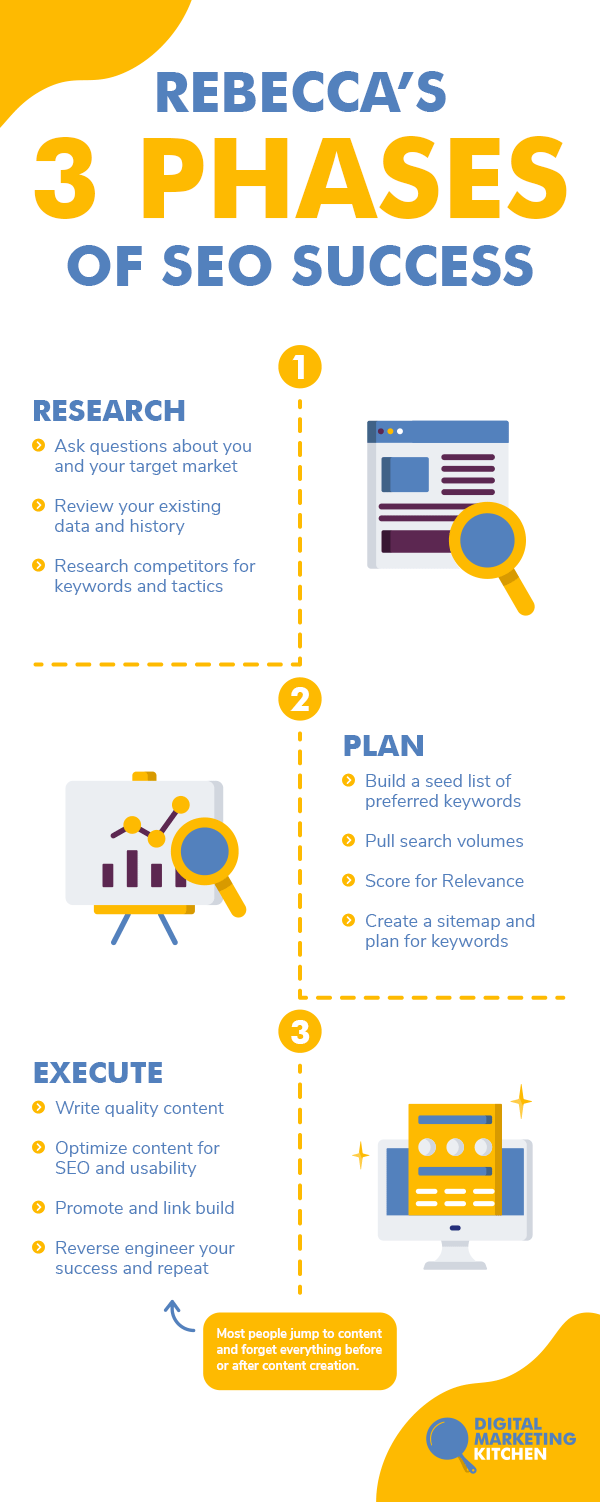
SEO is a process. It’s about research, planning, and execution. You can’t jump straight to execution and expect you’ll be a success. Instead, you have to go slow, move ahead with purpose, and always stay focused on your ultimate visitor.

Next up we’ll be talking about on-page and off-page SEO. 

I’ve created an infographic to help keep you and the task. You can use this as you work through your SEO activities and as we continue our SEO journey together.

how to do successful SEO

To stay ahead in the world of SEO, check out our video: SEO in 2025: 6 Trends Truly Changing The Landscape.

[subscribe_cta]

Ask the Right Questions Before Diving Into SEO

Getting Started in SEO, Means Asking the Right Questions About You and Your Target Market

SEO is an extremely powerful tool for bloggers and website owners. SEO offers a constant stream of inbound marketing activity and qualified leads, it tends to bring in much higher conversion rates, and it lives on for a very long time. 

In the following weeks, we will be taking an SEO journey together with Rebecca Gill. We will have a series of articles that will get you thinking about search and teach you how to use these thoughts to improve your website or blog. 

In today’s article, Rebecca will share with you the secrets she stumbled upon over a decade ago and the starting point of SEO.

SEO Isn’t Scary

I started my SEO journey over 15 years ago in the ERP industry, and the content I created back then still ranks in Google (and it is still bringing in qualified leads). This is the magic I see SEO delivering, and it is why I’ve never strayed away from it. 

No other marketing channel can offer you such focused and long-term delivery of inbound activity.

If SEO is such a great marketing channel, why do so many people ignore it?

I often encounter hesitation because most people simply don’t know where to start. The process of SEO can feel overwhelming, intimidating, and difficult. 

I will fully admit that SEO can be scary, but I’ll also loudly state it doesn’t have to be. 

There is an easy way to get yourself started with SEO and help ensure you are positioning yourself for success.

To stay ahead in the world of SEO, check out our video: SEO in 2025: 6 Trends Truly Changing The Landscape.

Ask the Right Questions

If you are already asking yourself “How do I learn SEO?”, an excellent starting point is figuring out who you are and clarifying who you serve. That may seem like I’m selling the complexity of SEO short, but I’m not. 

In reality, asking questions is a critical step that most business owners and bloggers tend to skip. And because they skip it, they set themselves up for failure.

When I perform SEO workshops or create beginner’s SEO guides, I always discuss website personas (also called marketing personas) because they build a foundation for everything that follows. 

Marketing personas are crucial because:

  • Different groups of people have different problems.
  • When groups of people have different problems, they also have different needs.
  • With different needs, comes different answers or solutions.
  • With varied answers, you derive different terms and phrases the group or persona would use to search for their solutions.
  • By viewing different groups and creating seed keyword lists for each group, you exponentially expand your keyword universe and opportunities to rank in search.

If you don’t know who you are and who you serve, you can’t begin to understand what your customer needs and how you can help them. This lack of information makes it impossible for you to create a successful SEO strategy and plan for execution.

By asking questions, we are creating a set of variables we can use to research, analyze, and take action. The answers to our questions will start to formulate our target audience, and they will help us know what matters to them. More importantly, it allows us to focus in on their problems, solutions they seek, and how we can provide answers.

The core of SEO is a blend of questions and answers. People visit search engines (like Google and Bing) to find answers to their questions. That’s it.  

The search engines’ job is to locate the best answer to a given question. When you properly perform SEO, you are creating a roadmap to help search engines locate your content and match it up to a given question.

No voodoo, no magic. Just plain and simple questions and answers.

The one thing you can do to help you succeed in SEO is to start to think about who you serve, what questions they ask, and how you can help answer those questions. 

Formulating SEO Strategies with Consumer Psychology

In college, I loved psychology. Back then, my dream job would have been closely related to psychology. I found it fascinating to learn about people and what makes them tick. 

What I didn’t know was this love of psychology was going to serve me well in optimizing websites and blogs. Marketing is intertwined with psychology.

At the core of this connection is Maslow’s Hierarchy of Needs. This motivational theory is a model of five levels that represent what drives a human’s actions. It boils down to the fact that we all have varying degrees of needs to break down into physiological, safety, love and belonging, esteem, and self-actualization. These needs influence our behavior, and they influence the way we interact with the world around us.

This closely ties to SEO because people search based on their needs at a given point in time. This varies by where they are located within their information journey or their location within a buying cycle. Some searches will be basic, while others will be more advanced. Some will be at the beginning of a process and others at the end. Some may be informational, and some may be transactional.

Bain and Company created a B2B version called The B2B Elements of Value. It translates Maslow’s core ideas into modern-day marketing for B2B companies.

The key for both B2C and B2B marketers is to find the intersection of your target market and what you offer. Knowing where you land on their Hierarchy of Needs is crucial.

Don’t be scared off by all my psychology talk. Let me translate this into a set of fundamental questions that will help you better formulate who you serve and how you help them.

Determine Your Goals

Let’s start your SEO journey by asking the following questions and documenting your answers. Keep in mind these could be related to you, your company, or your product or service.

  • What are your areas of expertise?
  • What are some of your greatest skills?
  • What are you passionate about?
  • Is there a particular niche that is more important to you than others?
  • What benefits do you offer your customers?
  • What differentiates you from your competitors?
  • When you’ve been successful in the past, why did your customers choose your service or buy your products? What did they say?
  • When you think back to your existing client testimonials or online reviews, what did your customers say about you and your offerings?
  • At the end of the day, what business accomplishments are you most proud of?
  • How you typically describe your business to a potential customer? 

Write this down. Write all of it down! Let your mind run free, but document the path it runs down.

Now I’d like you to take a step back and look at your answer with fresh eyes. I’d like you to replace any buzzwords or industry jargon that “normal” people wouldn’t understand. By normal, I mean people outside of your head, your company, or experts in your industry.

Now, I’d like you to rework your answer and write it as if you are explaining this to your Grandmother or a young child. By doing so, you’re removing the industry jargon, and closing in on what terms normal people might use when searching.

What I am asking you to do is to brainstorm who you are, who you serve, and how you help them. Once we know this, we can start to think about building a keyword universe and formulating a plan for content creation.

Additional SEO Questions

Now that we’ve done some initial investigation let’s explore what groups we might have for our target market. Again, these groups are called website personas or marketing personas.

To do this, we have more questions.

Who Do You Serve?

  • Are they men or women?
  • Are they kids, teens, adults, or baby boomers?
  • Are they consumers or businesses?
  • Are they universities, enterprise-level companies, or small business?
  • Are they beginners or advanced?
  • Do they exist in certain departments like IT, accounting, or manufacturing?
  • Do they have different positions like entry-level, manager, or c-level executive?
  • Do they speak different languages?
  • Do they live in different regions?
  • Do they have different budgets and desired price points for goods and services?

How Might You Group Them?

  • Age or gender
  • Income level
  • Geography
  • Professional position, occupation, or department
  • Industry
  • Business size
  • Stage in the buying cycle
  • Product or service type
  • Budget
  • Customer status – prospect, new customer, repeat customer

Virtually every website or blog has some form of groups within their target market. No matter what industry I’ve worked in or clients I’ve helped, I can always find website personas.

Sometimes there may only be two and sometimes they might be ten. Dig in so you know exactly who you serve and how you would group them.

Website Persona Criteria

Once you have your groups defined, we want to document more about them. My personal list for documenting website personas includes:

  • Name
  • Description
  • Drivers, goals, and/or objectives
  • Frustrations, challenges and pain points
  • Needs
  • Decision process and criteria
  • Stage of the buying cycle (awareness, consideration, decision)
  • Level of search intent (navigational, informational, commercial, transactional)
  • Purchase obstacles
  • Marketing channels where they spend time

Don’t let any of this be intimidating. You’ll most likely know some of the answers and not others. That’s okay! Work with the information you know now, and when time allows, fill in the rest.

The important thing is I’m moving you from thinking about you and what you do to thinking about your target market and what they need. 

This will help you develop a keyword list that you can use for SEO purposes.

The Human Element of SEO

Throughout my training and talks, I hold one common theme that I desperately want to drive home to everyone I speak with about SEO.

The best SEO is human-based SEO.

High performing SEO isn’t about marketing automation, easy shortcuts, WordPress plugins, or even outsourcing SEO services to a third-party consultant. 

There is no easy button, software product, or expert waiting to do all of this for you.

Low-cost SEO services at $6.99 a month won’t deliver the human element and they don’t work. Software products that state they will automatically optimize content for you based on algorithms won’t work either. It’s binary code and it cannot understand your target market, how you help them, and how you are uniquely positioned to provide a solution.

The best SEO is about understanding your website visitor, connecting with them on a personal level, and helping them solve problems.

No one is in a better position to do that than you! And it makes you super powerful.

 The Next Steps for Your SEO Journey

Today’s article covered a lot of ground, and I hope it has you thinking. Keep thinking!

Let your mind wander today and all this week. Think about you, who you serve, and how you help them. Think about what makes you unique and why you are the perfect answer for your target market.

Document your thoughts. Keep a running list of anything that creeps up while you allow yourself time to think and brainstorm.

In my next post, I’ll show you how to dig into website data and Google’s Search Engine Results Page (SERPs) to research possible keywords and phrases. Once we have our possible keyword universe, we’ll move onto keyword evaluation and selection. Finally, we’ll move into mapping your preferred keywords to current and future content.

SEO is a journey, not a destination. My goal is to show you the path and get you started on your journey. Together we can get you and your website ranking and bringing in the right traffic.

[subscribe_cta]

Keyword Research Tips – How to Build a Keyword Universe Through Data

In my last SEO article, we talked about SEO basics and how SEO works, including the initial steps of SEO strategy and planning. Now that we’ve thought through our website personas and their unique challenges, it’s time to begin working on our keyword universe.

I’m a strong believer in data-driven SEO. I believe the combination of data, psychology, and empathy is the key to strong SEO performance and website conversions.

In the world of digital marketing, data is abundant. Free and paid tools are plentiful and there are many sources of data to help guide our SEO journey. Today we’ll explore my favorite software tools and data sources for building up a robust keyword universe.

Before we dig into my favorite data sources, let’s first discuss the concept of keyword research, keyword universe, and why we need it.

What is Keyword Research?

In simple terms, we might say that keyword research is a primary SEO task that involves identifying words and phrases people use to search online.

What is a Keyword Universe?

A keyword universe is the total number of keywords or phrases that are used to drive organic search traffic to your website or blog. These keywords can contain phrases you hope to rank for, as well as, phrases you already rank for in search.

A keyword universe could be as small as fifty keywords or as large as a million keywords. It really depends on the size of the website and the industry it serves.

Keyword Research & Universe examples

Let’s look at a real-world example.

According to SEMrush, Siteground.com has a keyword universe of 98,700 keyword phrases. While that may seem like a lot of phrases, SEMrush also estimates only about 10,500 keyword phrases are bringing in website traffic. That variation of total keywords and those that bring in actual website traffic is fairly common.

And while there is a large number of keywords not driving traffic, that doesn’t mean that the other 88,200 keyword phrases aren’t important. These inactivate keywords may be very important and they may be a critical part of our keyword universe and overall SEO strategy.

As we do keyword research, we want to review all phrases to start, then narrow down our list to those phrases that matter most to our target market and our offering. We’ll look at keywords we rank for already and we’ll consider keywords we want to rank for in the future.

Interesting Statistics About Search and Keywords

I could ramble on about my views on the importance of keywords, but it will make a much larger impact by providing tangible data for you to truly see the impact of search and keywords.

Here are some of my favorite data points on keywords:

  • Google processes over 40,000 search queries every second on average, which translates to over 3.5 billion searches per day and 1.2 trillion searches per year worldwide.
  • Google sees about 15% of brand-new searches each day. This tells us keywords are always changing and keyword research should be done often.
  • Google’s introduction of BERT (Bidirectional Encoder Representations from Transformers) allows it to process searches in a much more complex manner. This allows humans to input long, conversational searches and still receive high-quality results. Stated another way, you can search like you are talking to a friend, and Google will reply with a great answer. This changes the nature of our keywords.
  • Ahrefs analyzed 1.9 billion keywords and found that 92.42% of those only receive 10 or fewer searches per month. This tells us to consider keywords of all volumes and not just the ones with massive search volumes.
  • Ahrefs also discovered that 29.13% of keywords with 10,001+ monthly searches are made up of three or more words. This points us to long-tail (aka longer phrases) keyword phrases.
  • 8% of all the search queries made on Google are phrased as questions. This tells us we should not just look at simple phrases. We also need to think in terms of questions that use who, what, where, when, and how.
  • One-third of the search queries made through Google are at least 4 words long. This again reinforces the need for long-tail search terms.

Those last two data points are important because they illustrate a shift in search. 

Ten years ago, people still searched with one or two-word phrases. They did so because Google wasn’t sophisticated enough to produce quality results for longer phrases. But that has changed and this change has driven lots of shifts in search and keyword research.

Artificial intelligence and voice search have quietly taught humans that they can search complex queries and Google will provide them with correct answers. This is a game-changer for SEO and keyword research. It means we need to think about short searches, long searches, and searches that involve questions. 

An important part of building a quality keyword universe is to do research, keep your mind open and think about your website personas and how your target market uses searches in Google or Bing. 

You might be thinking you have no idea how your target market searches. Guess what? You’re not alone! 

We are all in the same situation because it is hard to think outside of our own limited view. This is why software tools and third-party data sources are an important part of building up a strong keyword universe.

20 of the Best Keyword Research Tools and Resources

When I started with SEO fifteen years ago there were very limited options for researching keywords. SEO software was non-existent, and it made the process of keyword discovery painful. I’m so thankful this is no longer the case! 

As an SEO consultant, I have a huge selection of tools and resources available to help me brainstorm keyword options and to guide me down the path of keyword selection. I’d like to share my list of tools and resources with you, so you can have some excellent sources to find high-quality keyword phrases.

My list of favorite SEO tools has stayed pretty uniform over the last few years. I’ve found some great software that has helped provide excellent data, reduces my time spent on research, and helped me make better SEO decisions. If you’re asking yourself how do you find the right keywords, in the next paragraphs I have some great suggestions for you.

Here are my go-to keyword research tools for SEO:

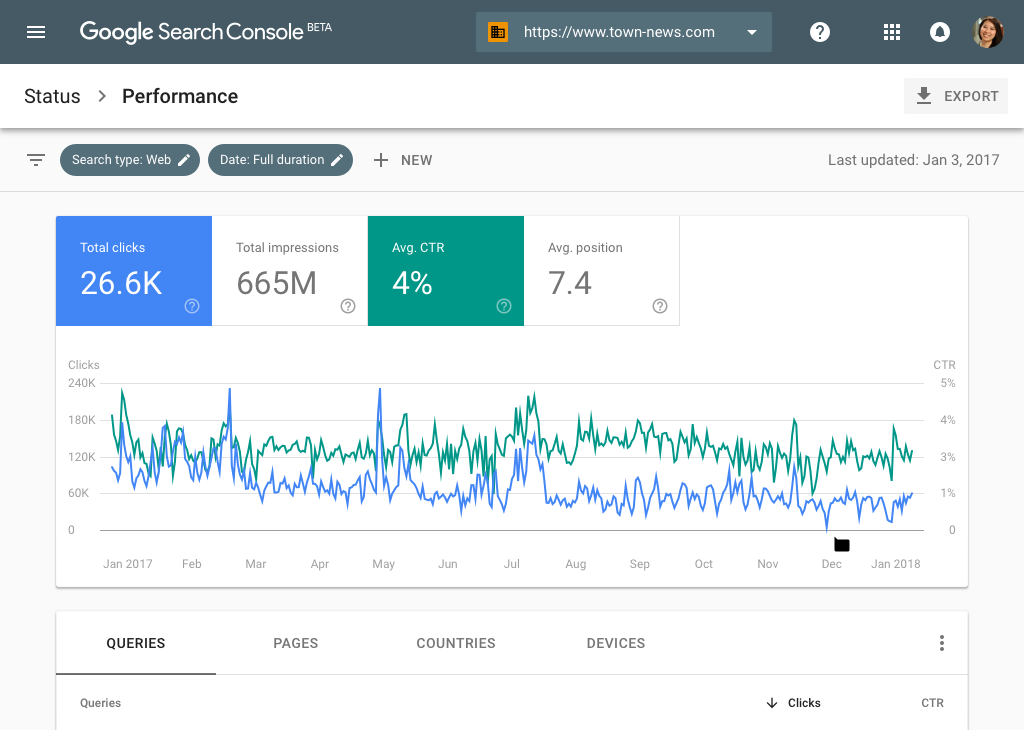
Google Search Console

Provides a list of keyword phrases I currently rank for in Google search. You view keyword impressions, clicks to your website, click-through rates (CTR), and your average position in Google search. 

How to do a keyword research

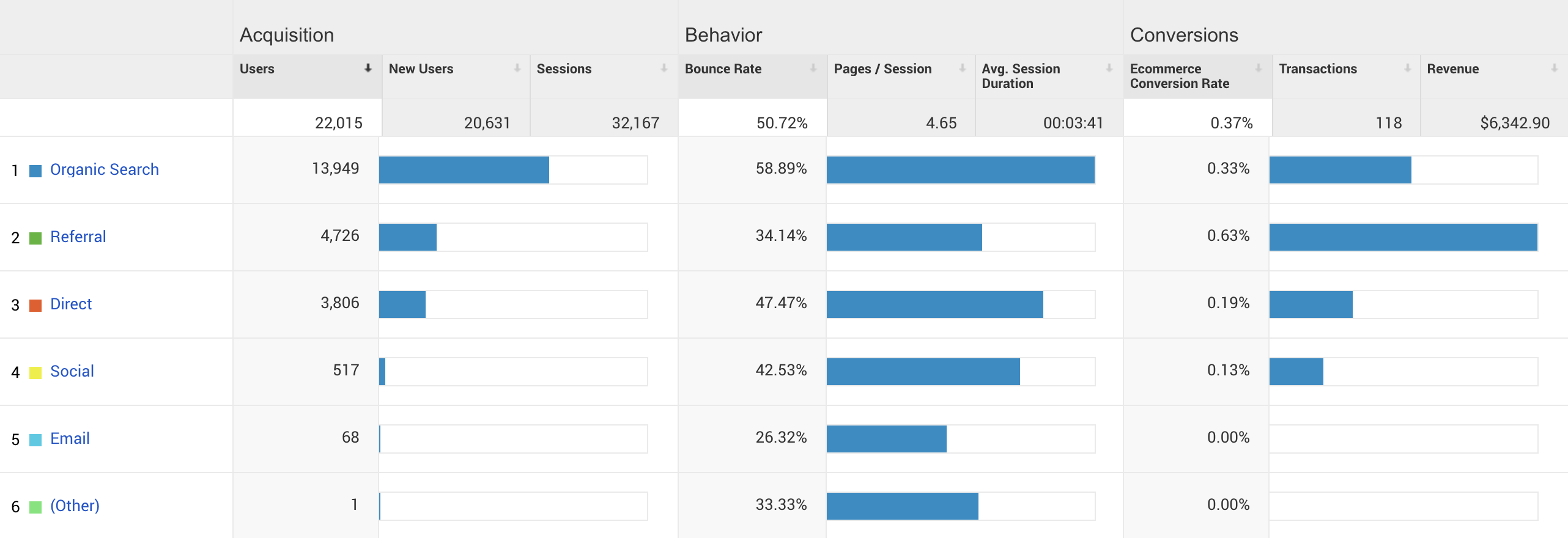
Google Analytics

Provides a list of keyword phrases that are used by Google search to drive actual traffic to my website. These reports are great because I can also view important data related to pages per visit, bounce rates, and conversion rates. This helps me see what keywords are having the largest impact on bottom-line revenue. Analytics and Search Console are some of the most helpful free keyword research tools you can use for your SEO strategy.

how to find keywords

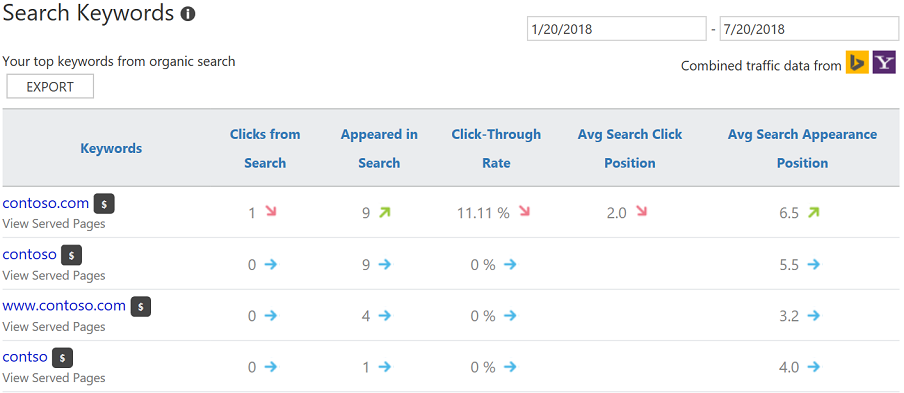
Bing Webmaster Tools

Provides a list of keyword phrases I currently rank for in Bing search. You can see very similar data as Google Search Console. Because the two search engines have different formulas for ranking keywords, the lists of keywords in Google and Bing will be different.

Keyword research

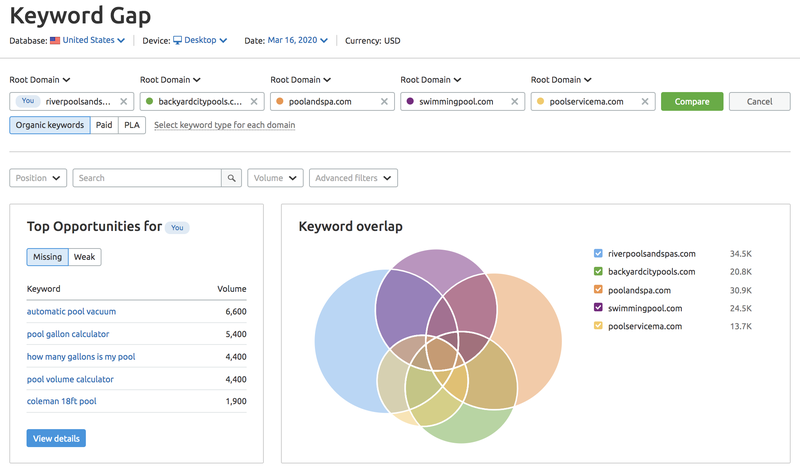
SEMrush

Provides a list of keyword phrases that I rank for in search, as well as, a list of phrases my competitors rank for in search. It can also help you see variations of phrases, types of search results, and PPC activity for phrases. It is a powerhouse of SEO data.

Keyword research tools

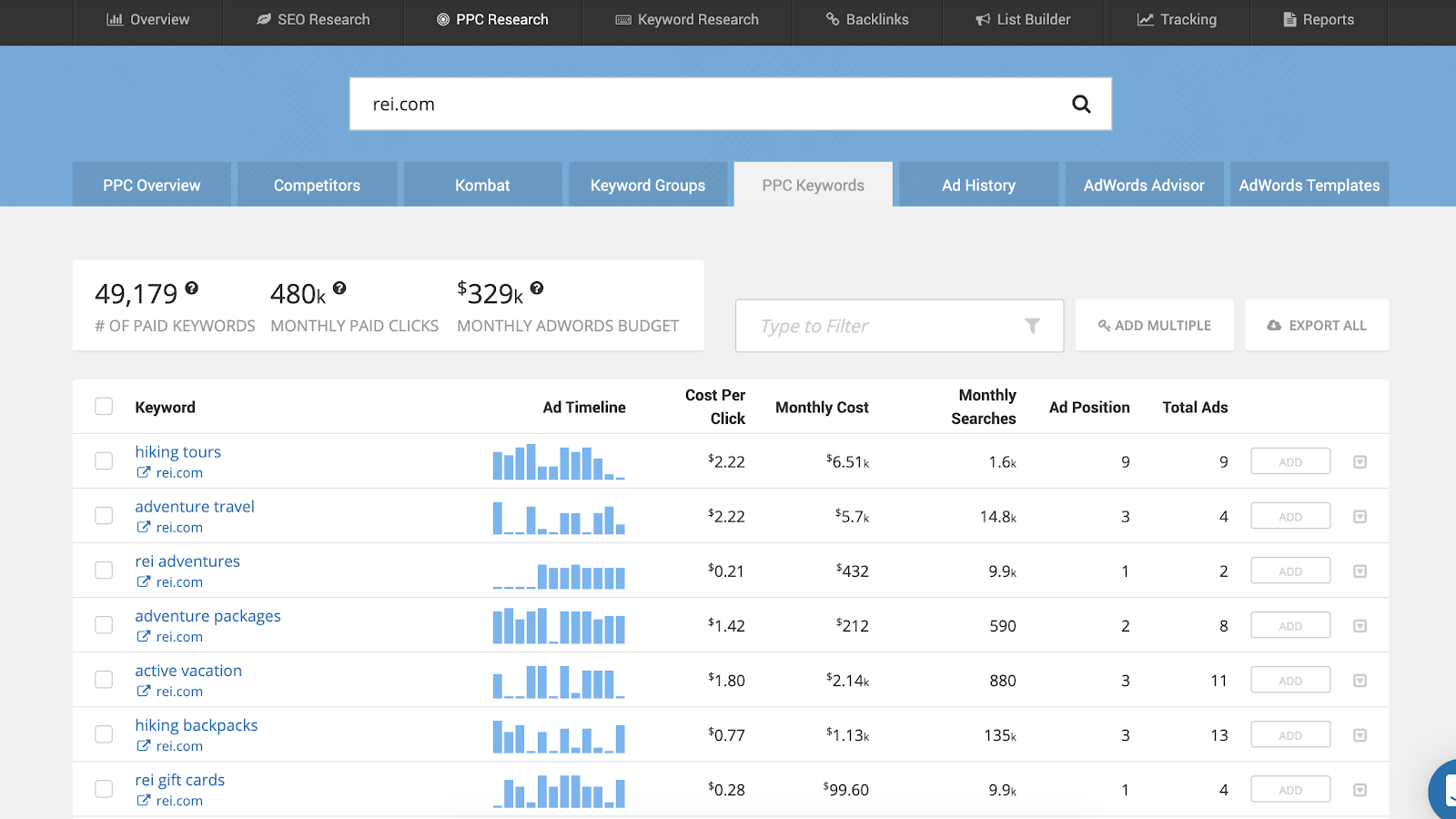
SpyFu

Provides a list of keyword phrases that I rank for in search, as well as, a list of phrases my competitors rank for in search. Like SEMrush, it offers data on PPC too, which makes it a great source for creating a strong keyword universe.

keyword research tips and tricks

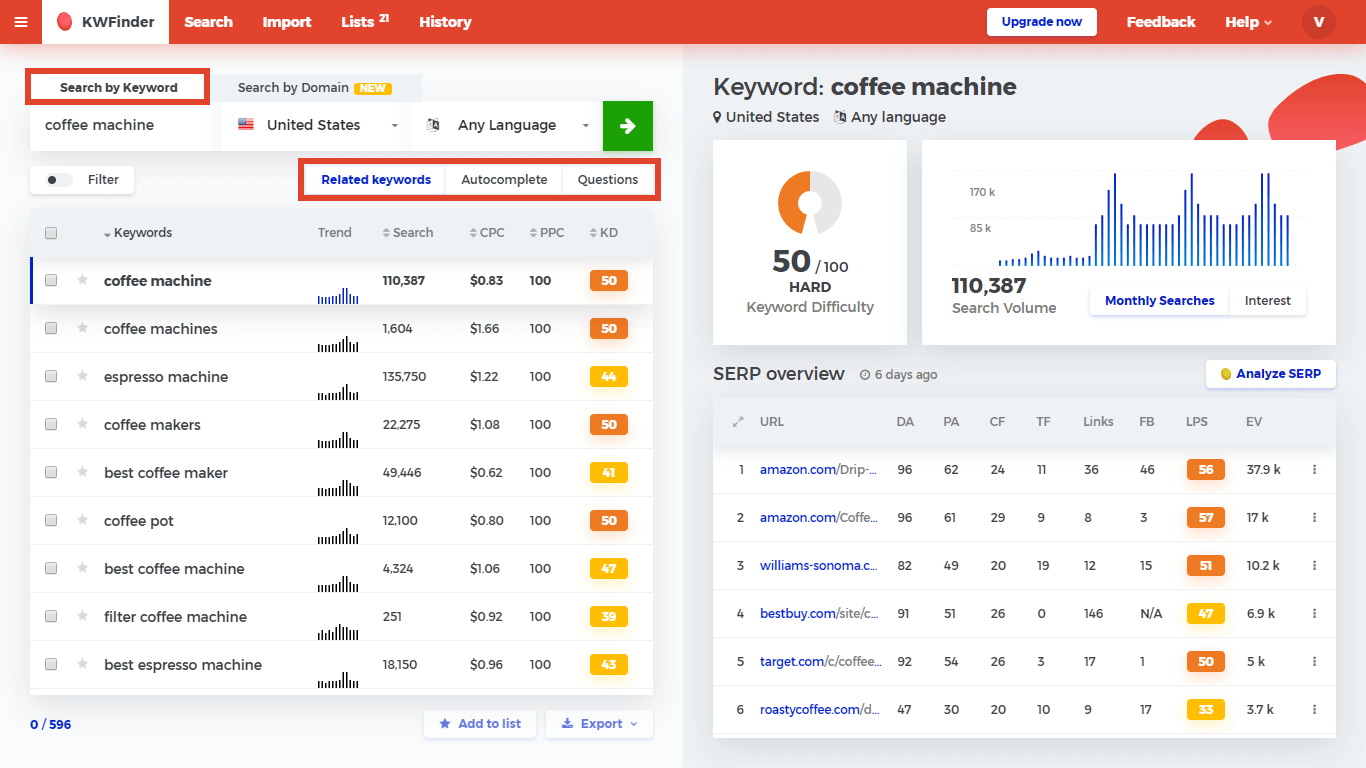
KW Finder

Provides alternate variations of keyword phrases based on my initial keywords entered. It allows users to filter keywords based on a variety of inputs, build lists, and even see who ranks for individual phrases. It pulls data from Google’s API, so you can view search volumes per month and applicable PPC bid amounts.

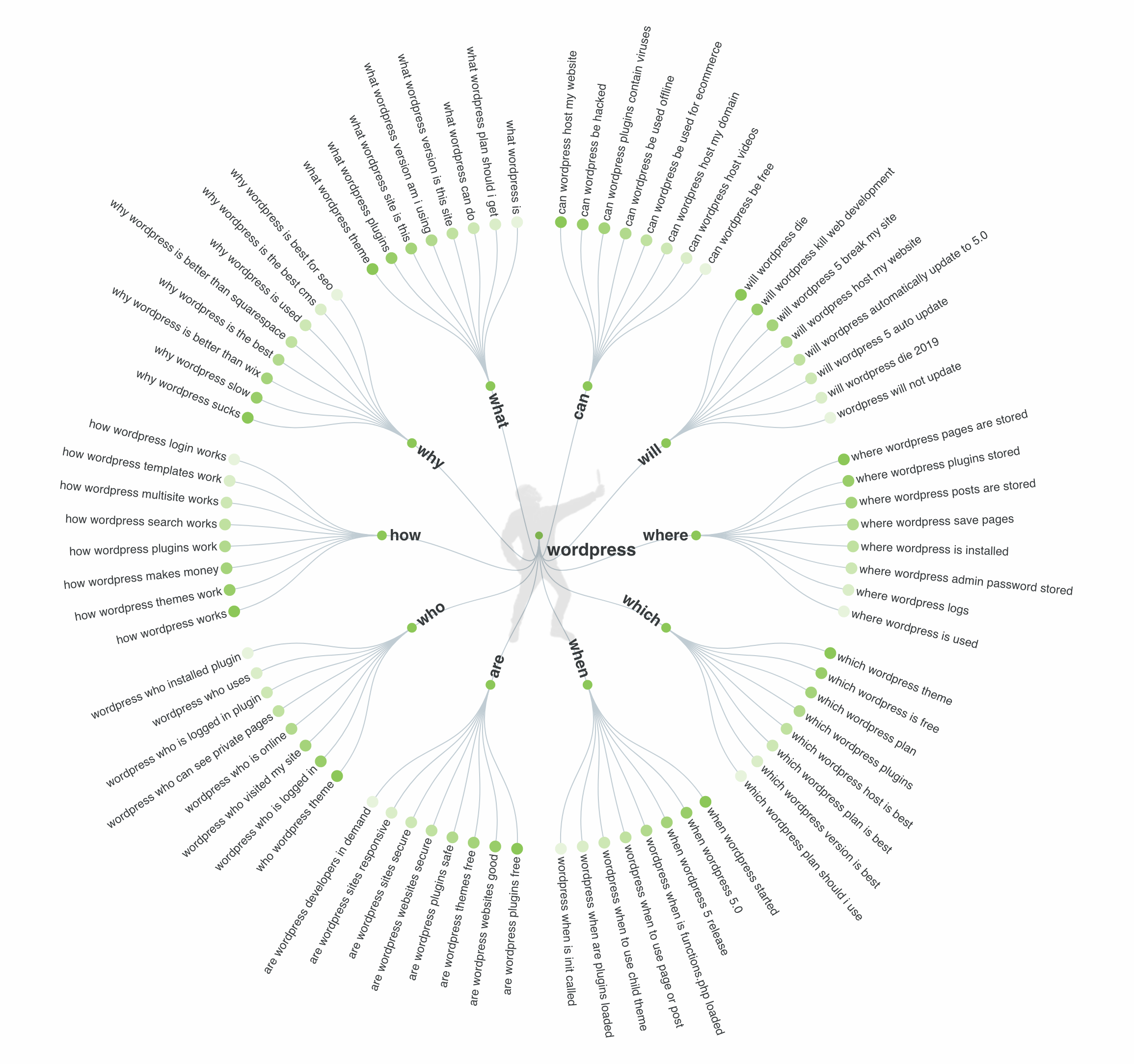
Answer the Public

Provides alternate variations of keyword phrases based on my initial keywords entered. This is a great tool for thinking through keyword phrases that include questions.

If I could only use one tool, it would be SEMrush hands down. SEMrush is a paid tool, but in my opinion, it is worth the cost. From keyword rank tracking and competitor research to website audits, SEMrush is a great all-inclusive tool for digital marketers and consultants.

I don’t just stop at software tools. I also use everyday activities to help me brainstorm and build my keyword universe. It’s the mixture of data and real human activity that provides the highest-quality keyword universe.

Here’s my go-to list for alternate sources of SEO research:

  • Personal Interviews – These one-on-one discussions provide an opportunity to talk to real people and learn what words and phrases they would use to search for your offering. You will be very surprised to learn what the average person uses for search terms.
  • Email or Website Inquiries – Going through old email or website contact form inquiries is another great way to discover keyword phrases that real people use online. I’ve been a long-term fan of Gravity Forms for WordPress and this form plugin stores inquiries online in the WordPress MySQL database. This plugin supports database exports, so you can export all inquiries into Excel and browse through them quickly to see what words your website visitors use in inquiries. 
  • Proposal Requests (RFPs) – Scanning through RFPs will help you see what selection criteria an organization has for purchasing a product or service. Their list of features and/or requirements all translate into keyword phrases.
  • Sales Presentations – I learned long ago that in most organizations, websites get ignored, but sales presentations are living and breathing documents. Because of this I always ask my SEO clients if I can view their latest sales presentation. These sales pitches allow me to scan through files and extract the phrases their sales team uses in pitches to the C suite or procurement teams.
  • Reddit – I am not a fan of Reddit for personal usage, but I do love browsing through it for SEO keywords. You’ll see great questions and answers from regular people that will quickly morph themselves into your keyword universe.
  • Quora – Similar to Reddit, Quora offers a glimpse into the general public’s questions and need for information. You can browse through topics, individual questions, and the associated answers to locate great options for search terms.
  • Facebook Groups – Facebook is placing a lot of emphasis on its group functionality and these communities are growing. You’ll find groups for everything from knitting and baking to gemstones and astronomy. You can use the group search option to locate posts that include your primary keywords, and this will lead you to long-tail phrases you might be missing. Facebook groups also provide an option for interviewing many people in a remote manner. 
  • Support Forums – While not every industry has support forums, those that do offer a large list of keywords within topic questions and follow-up answers. You can manually browse through the forums or you could use tools like SEMrush to data-mine it.
  • Competitor Websites – Always take time to review your competitors’ websites. Browse through their navigation, HTML sitemap, and core content to find phrases you’d like to target.
  • Google’s Autocomplete – As you type in a keyword into Google search, Google will automatically make suggestions for you on longer phrases. These longer phrases are important because they are semantically related to your terms and they are being actively promoted by Google.
  • Google’s People Also Searched For – Similar to the autocomplete feature in Google, the People Also Searched For box is a goldmine of semantically related search terms. These phrases will have lower search volumes, but they are powerful since Google consistently places them in the search engine results page.
  • Google’s Related Searches – At the bottom of most Google search engine results pages is a list of phrases Google feels align with the current search term. These phases are often between 3 – 10 words, so they represent some great long-tail keyword opportunities.
  • Google’s Actual Search Results – Browsing through the actual search results for a phrase is an easy way to see alternatives from competitor websites. You’ll see what they are already targeting, and you’ll have an opportunity to improve upon their activity.

You might be thinking that this is a massive list and I’m a little overboard on my research. But in reality, it’s just the opposite. You have to build up a large keyword universe to get a good set of data to utilize in your SEO planning and execution.

The Next Steps for Your SEO Journey

You now have an excellent resource list to help you dive into keyword research and build up your keyword universe. This means you are empowered to create a quality list of what you’d like to rank for in search.

In my next article, I’ll walk through evaluating these keywords for usage within your website or blog. We’ll learn to pull search volumes, we’ll learn about search intent, and I’ll provide some additional insights into narrowing this list for the best keyword opportunities to win in search and convert these searches into revenue.

To stay ahead in the world of SEO, check out our video: SEO in 2025: 6 Trends Truly Changing The Landscape.

[subscribe_cta]